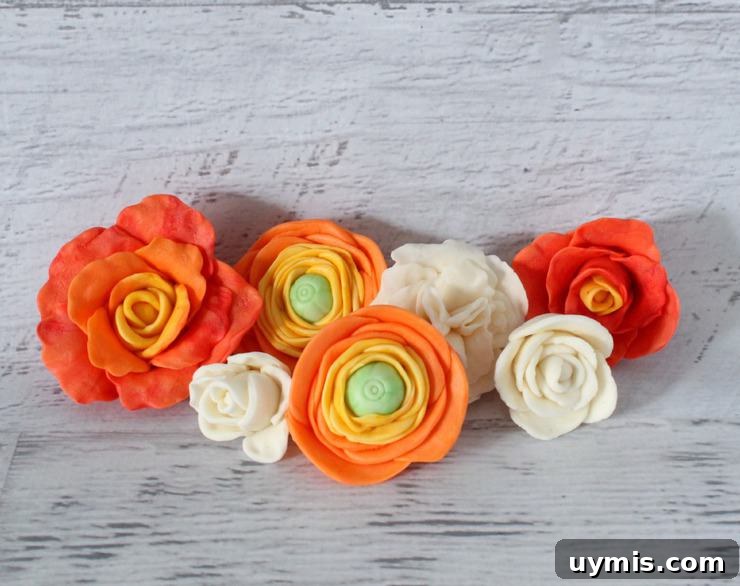
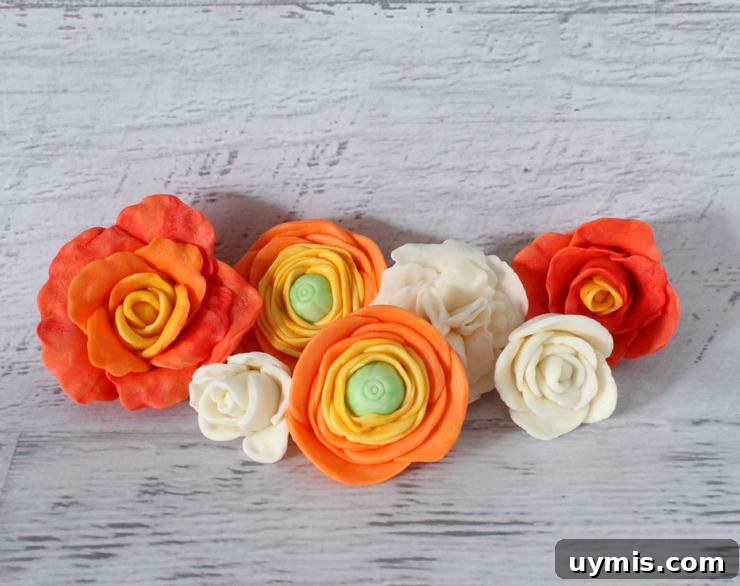
Basics of Marshmallow Fondant: Recipe and Practical Tips
Marshmallow fondant is a straightforward, affordable option for covering and decorating cakes. It tastes better to many people than some commercial varieties, and you can make it at home with a few simple ingredients and basic equipment. This guide covers an easy marshmallow fondant recipe, how to prepare and color it, storage tips to extend shelf life, and the differences between homemade and store-bought fondant so you can choose what works best for your project.
Marshmallow Fondant Recipe (Makes enough for two 8-inch cakes)
Ingredients
- 16 oz (454 g) marshmallows (any size)
- 2 lb (907 g) powdered sugar (you may not use it all)
- 2 tbsp water
- Vegetable shortening (for greasing)
How to Make Marshmallow Fondant
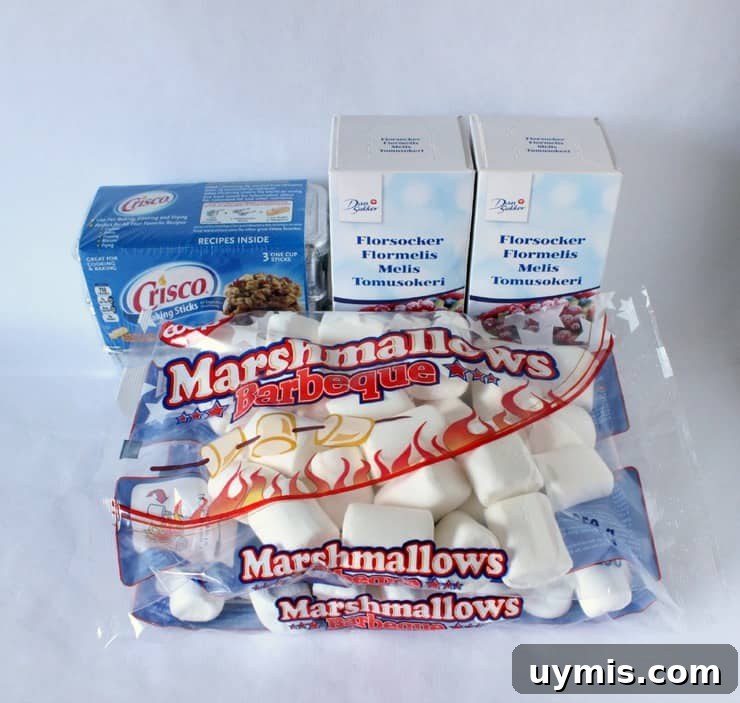
Grease the bowl of a stand mixer lightly with vegetable shortening and fit the dough hook. In a microwave-safe bowl, combine the marshmallows and water and heat until the marshmallows are melted and sticky (they do not need to be fully liquefied). Pour the melted marshmallows into the mixer and begin incorporating the powdered sugar slowly.
Start with about 1½ pounds of powdered sugar and add more as needed. The exact amount depends on room temperature and humidity. Work until the fondant reaches a soft, pliable consistency that holds together without being overly sticky. It will firm slightly as it cools, so avoid adding excessive powdered sugar while the fondant is warm—it’s easier to add than remove sugar.
Shelf Life and Proper Storage
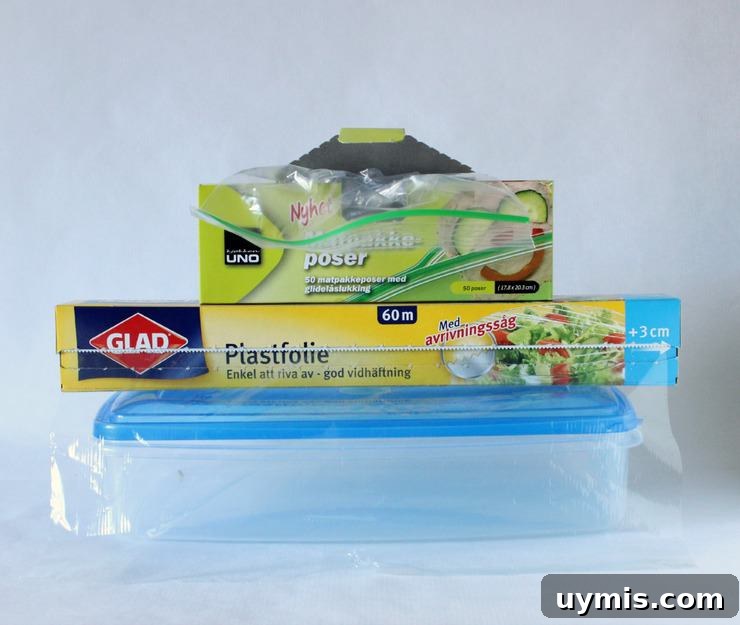
Store marshmallow fondant airtight to maintain freshness. Wrap the fondant tightly in plastic wrap and place it inside an airtight container or a sealable bag; using both provides extra protection. Store at room temperature away from direct sunlight—most people keep it in a pantry. Properly stored, marshmallow fondant can last for several months. When ready to use, warm it gently in the microwave in short intervals (5 seconds at a time) until it is soft and pliable again.
Working with Fondant: Tools and Techniques
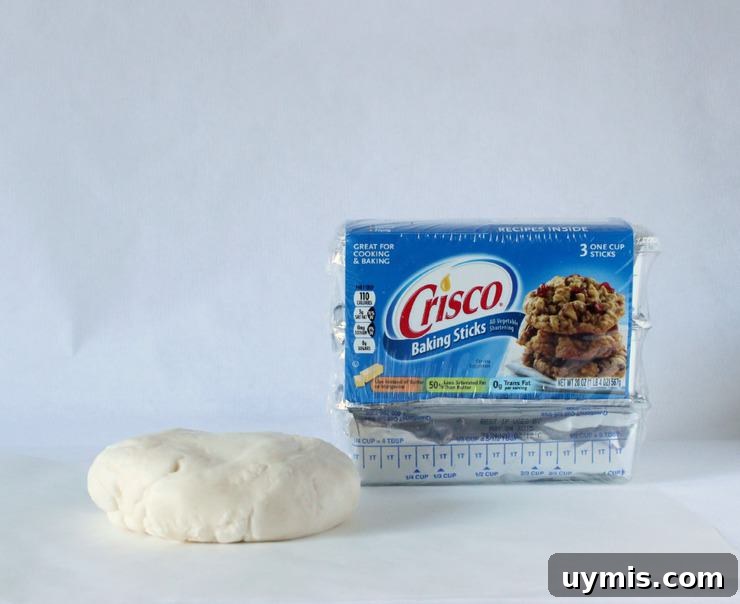
Marshmallow fondant can be slightly sticky even at the right consistency. Lightly coat your work surface, rolling pin, and hands with a thin layer of vegetable shortening to prevent sticking. Avoid using too much shortening, which will make the fondant greasy and harder to handle; if it becomes greasy, dab it with a dry paper towel to remove excess. Working on a nonporous board, silicone mat, or plastic cutting board gives the best results for rolling and cutting shapes.
Coloring Fondant
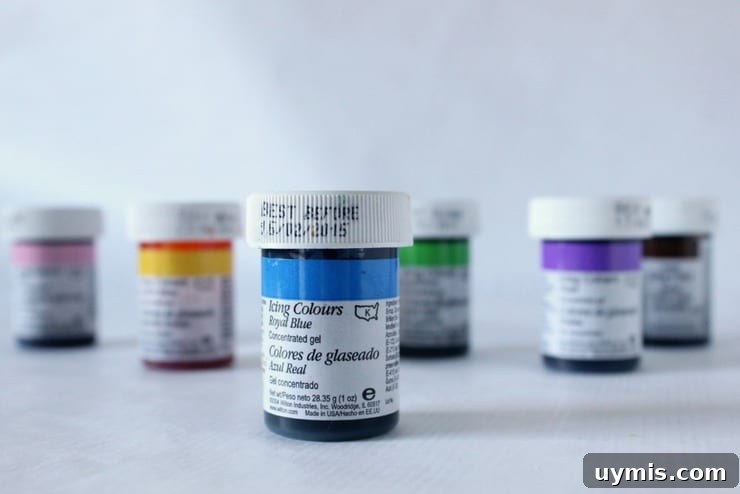
Use concentrated gel food coloring for even, vibrant shades. Flatten a portion of fondant, add a small amount of gel, fold it over, and knead until the color is well distributed. Add coloring gradually—darkening is easy, but lightening an overly saturated color is difficult. If you want to avoid staining your hands, use food-safe gloves or a thin coat of shortening.
Colored fondant stores the same way as uncolored fondant; keep it wrapped and airtight to preserve both texture and color.
Marshmallow Fondant vs. Store-Bought Fondant
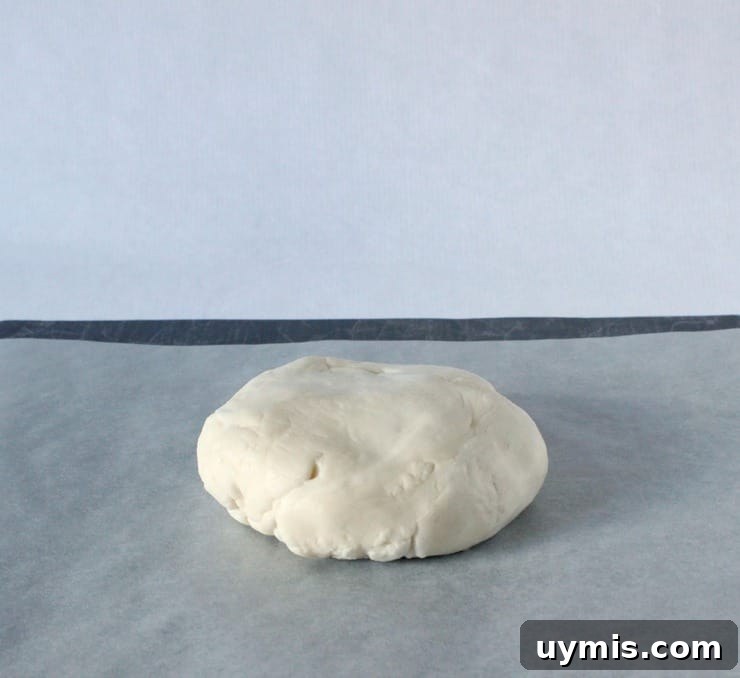
Homemade marshmallow fondant often wins on flavor and cost, especially if premade fondant is hard to obtain locally. It tends to remain soft longer and can take several days to reach the same level of hardness that some commercial fondants develop within hours. This slower drying can be an advantage when you need time to work or sculpt; however, if you need a faster set, kneading in a small amount of tylose powder will accelerate drying and firming for figures or structural details.
Additional Resources
- She Knows Food and Recipes — Learn to Work with Fondant Like a Pro
- Cake Boss — Fondant basics and preparation tips
- Food Network — Decorating with fondant guidance
- Artisan Cake Company — Fondant tutorial videos
- Lynlee’s — Fondant tutorials and techniques
- Make Decorate Celebrate — Fondant decorating techniques
Happy baking!
Recipe adapted from Cake Central