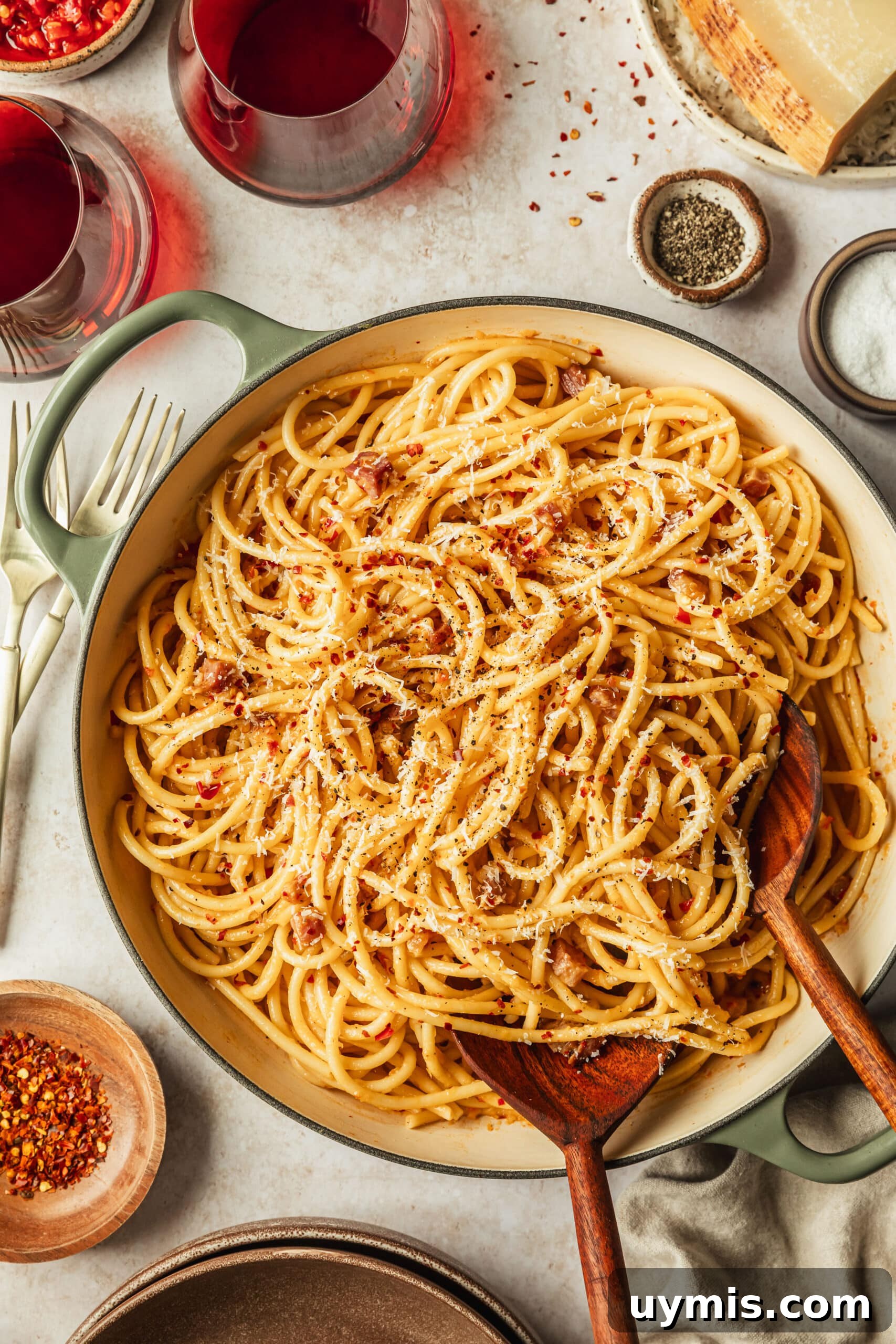
This spicy bucatini carbonara is rich, creamy, cheesy, and just the right amount of fiery. It is made with a short list of classic ingredients, including eggs, Pecorino Romano, crispy guanciale or pancetta, and Calabrian chili. The result tastes special enough for a restaurant-style dinner, but the whole dish comes together in less than 30 minutes. Open a bottle of wine, gather a few friends, and make it pasta night.
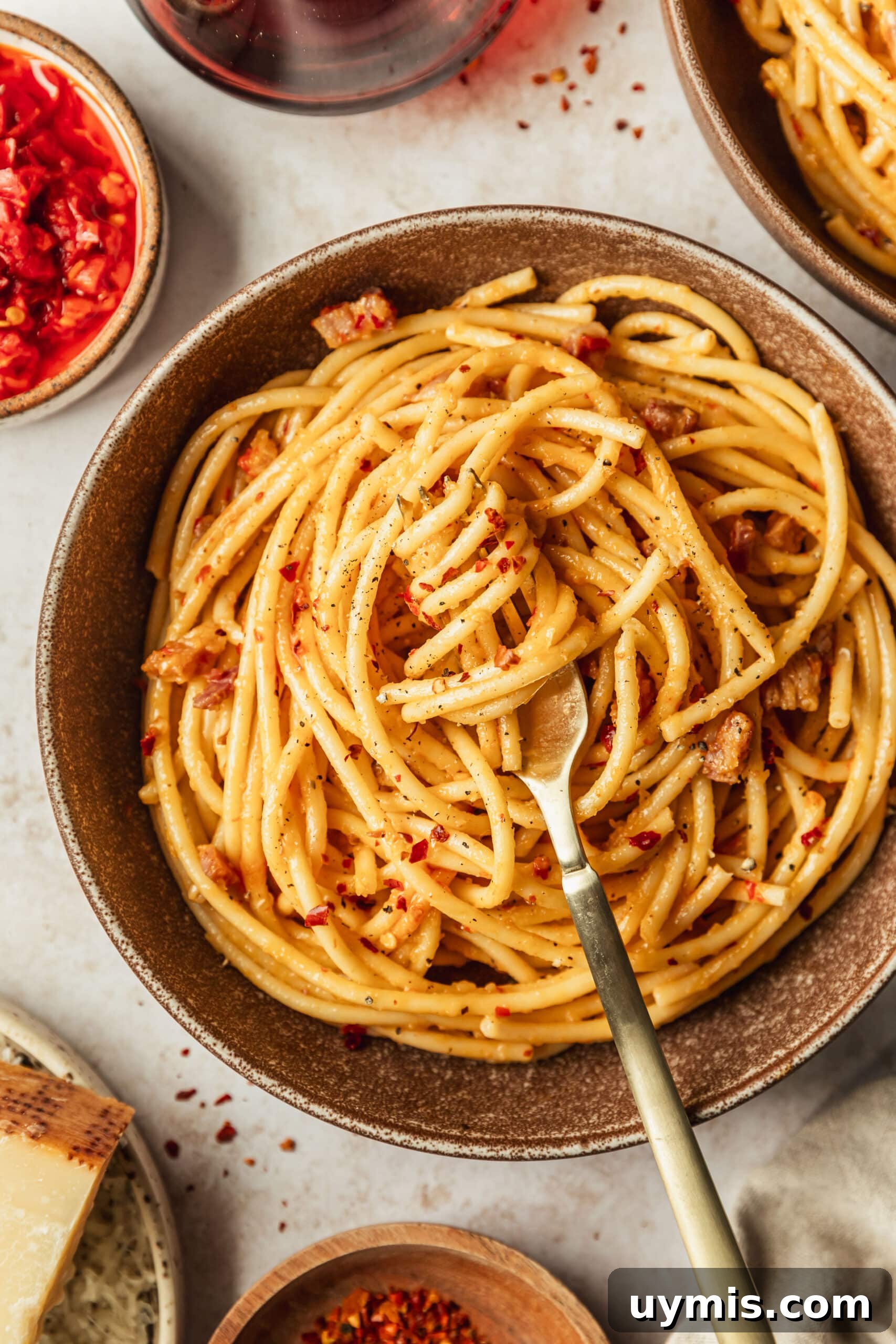
This is the kind of pasta recipe that feels effortless but still impressive. A big bowl of glossy bucatini carbonara is perfect for a relaxed dinner party, a cozy date night at home, or a quick weeknight meal when you want something comforting and full of flavor. The sauce is silky without using any cream, and the Calabrian chili adds a smoky, fruity heat that makes the dish memorable.
Pasta is always a dependable choice when you are cooking for guests because it is simple, satisfying, and easy to serve family-style. Pair this spicy carbonara with garlic bread and a crisp green salad, and you have a complete dinner that feels elegant without requiring hours in the kitchen.
Here is why this spicy bucatini carbonara deserves a spot in your dinner rotation:
- It is inspired by traditional carbonara, with a spicy twist from Calabrian chili.
- The sauce is creamy, cheesy, and glossy, but it contains no cream.
- It works beautifully as a large batch for guests or a smaller meal for two.
- The entire recipe comes together in about 25 minutes, making it fast, practical, and delicious.
Two key ingredients
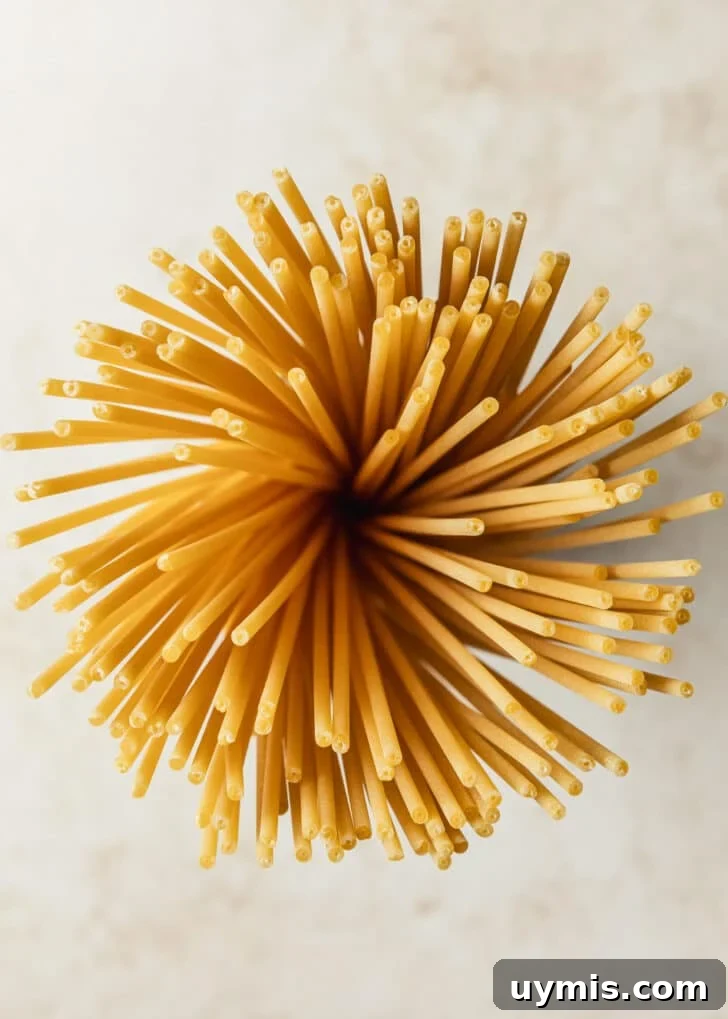
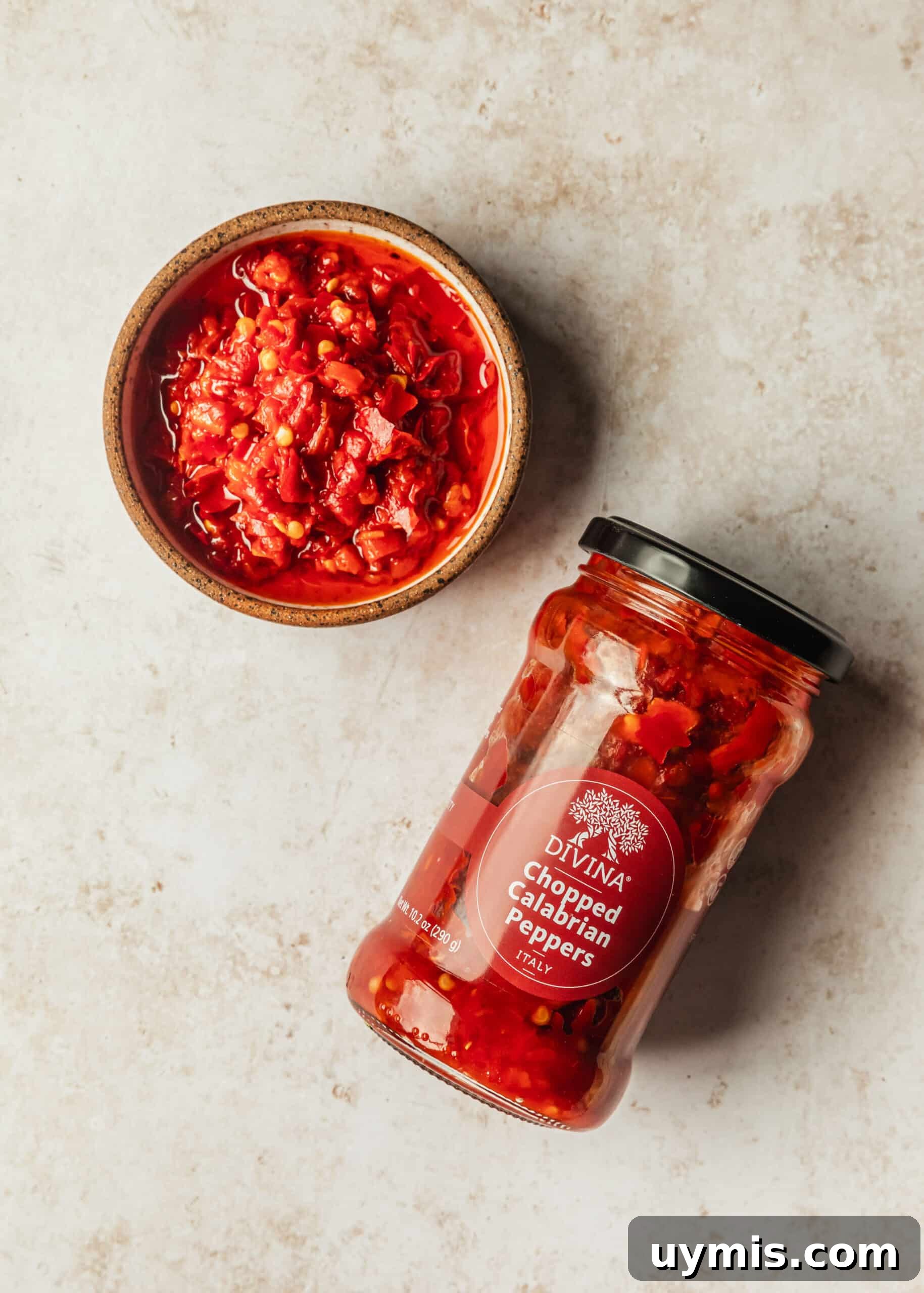
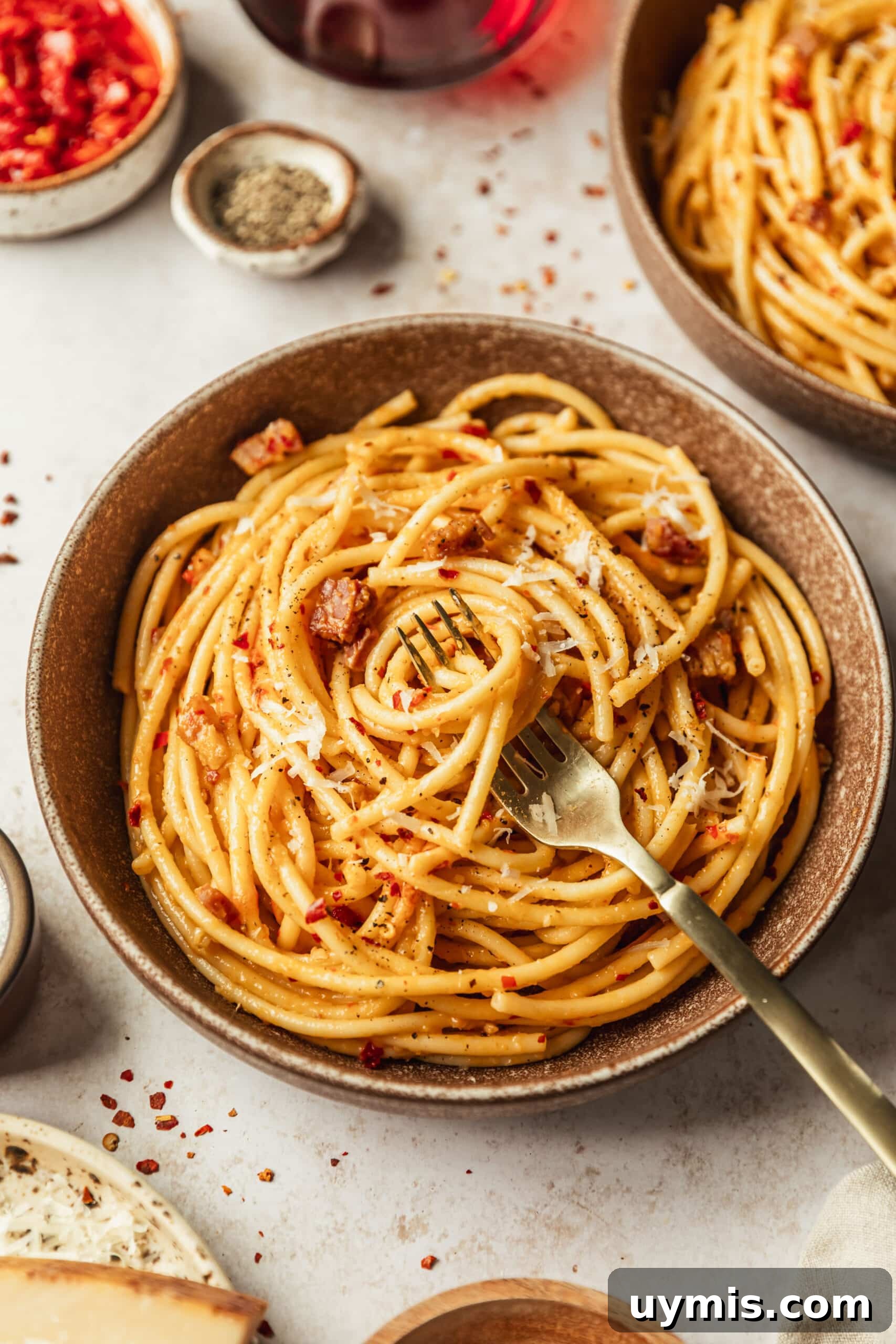
The two ingredients that make this recipe stand out are bucatini and Calabrian peppers. Bucatini looks similar to thick spaghetti, but it has a small hole through the center. That shape helps it catch the creamy cheese sauce, making every bite extra satisfying. Calabrian chilis come from Calabria in Southern Italy and are known for their lightly spicy, smoky, and fruity flavor.
If you can find bronze-cut bucatini, it is an excellent choice. Bronze-cut pasta has a rougher surface, which helps the sauce cling to the noodles more effectively. That texture is especially helpful in a carbonara, where the sauce should coat each strand beautifully.
Other ingredients & substitutions
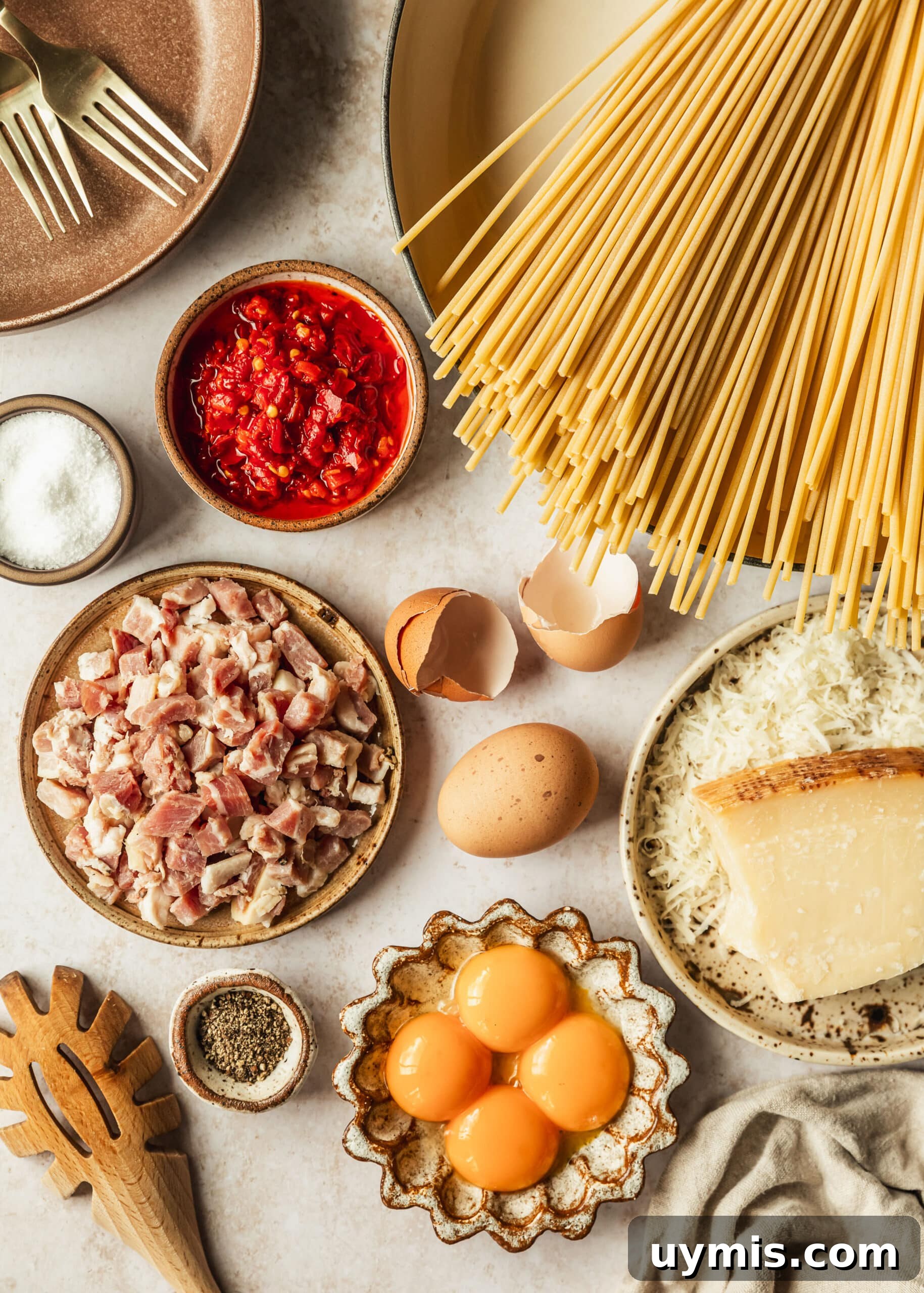
For the pork, use guanciale if you can find it, since it is traditional in carbonara. Pancetta is a great substitute and is often easier to buy. You will also need egg yolks, one whole egg, Pecorino Romano, kosher salt, freshly ground black pepper, and red pepper flakes for serving. Parmesan can be used instead of Pecorino Romano, or you can use a mixture of both cheeses.
Let’s make this pasta
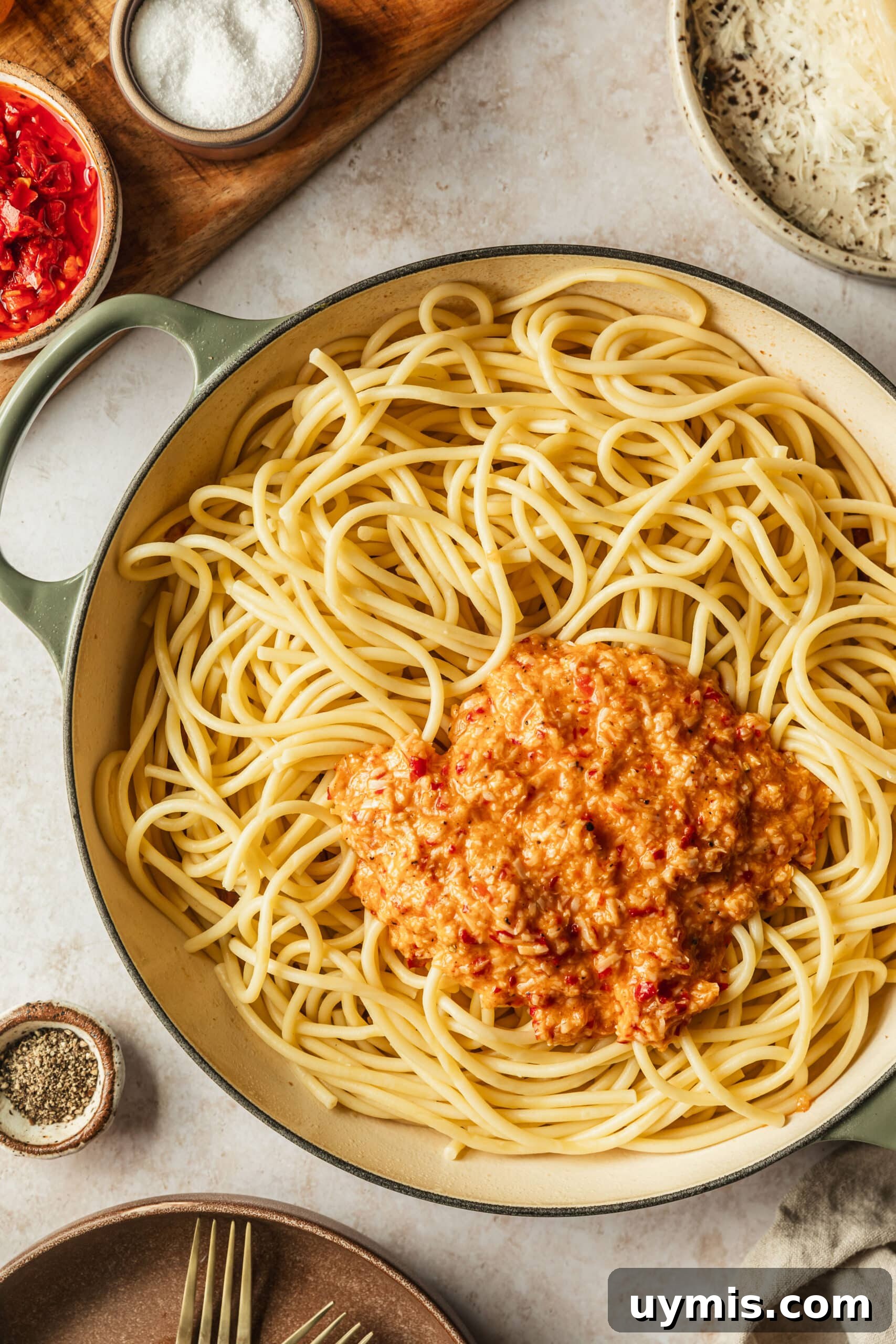
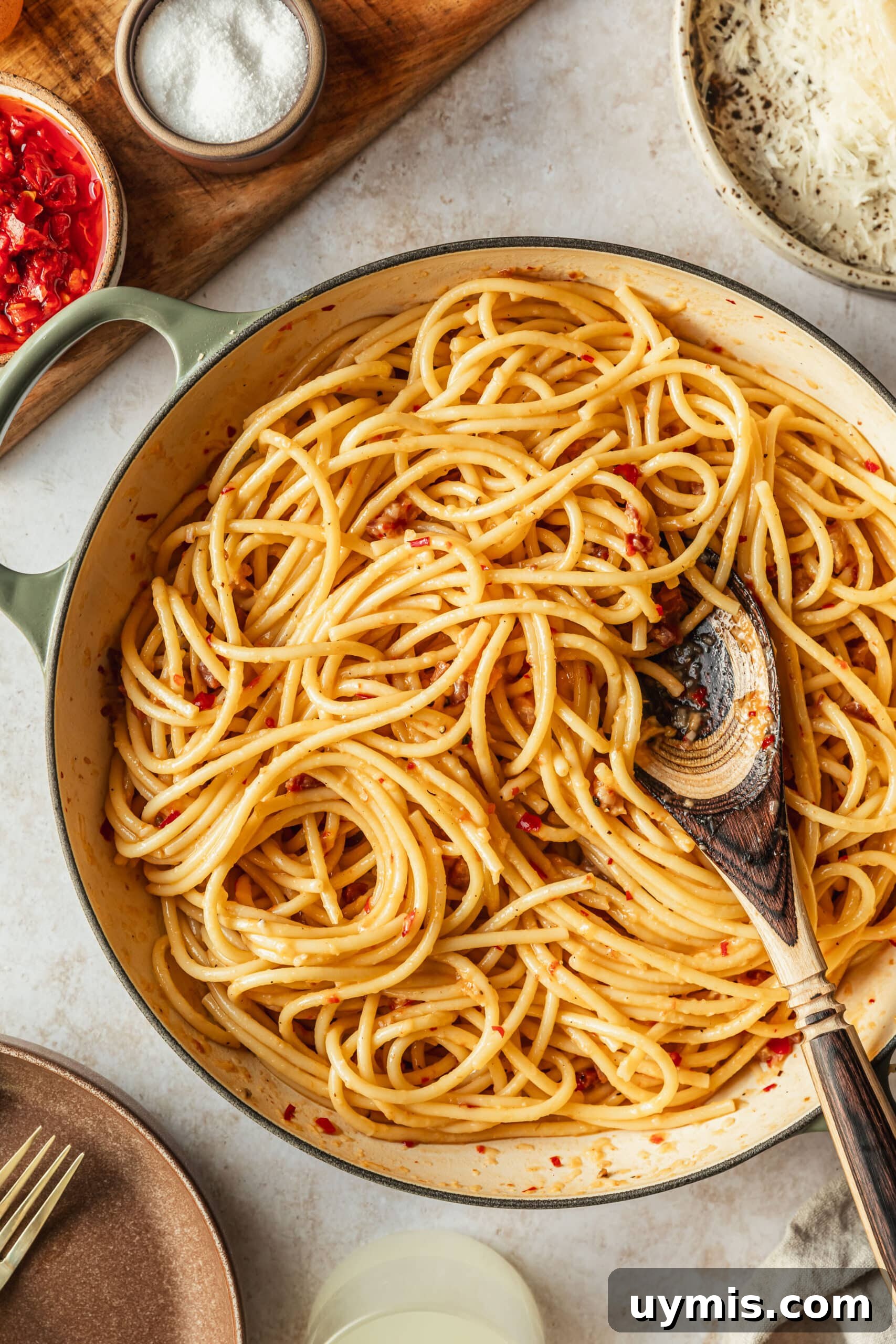
The most important step in making carbonara is combining the pasta and sauce off the heat. If the skillet is too hot, the eggs can scramble instead of turning into a silky sauce. The pan should feel warm to the touch but not hot enough to burn you. The residual heat from the pasta and skillet will gently cook the eggs and create a glossy, creamy sauce.
Refrigerating leftovers
Carbonara is best served immediately, while the sauce is creamy and smooth. Once refrigerated, the sauce can firm up and become slightly lumpy. However, leftovers can still be saved. Place any remaining spicy bucatini carbonara in an airtight container and refrigerate it for up to 3 days.
Reheating tips
Reheated carbonara will not be quite as silky as freshly made pasta, but the right method helps. If you are short on time, microwave the pasta with a splash of water for 1 to 2 minutes. It may be a little drier, but it will still be flavorful.
For the best texture, save some extra starchy pasta water and refrigerate it with the leftovers. To reheat, place the carbonara in a skillet with a splash of the reserved water. Warm it over very low heat, stirring often, until the pasta is hot and creamy again. Avoid cooking it too long, or the bucatini may become overdone.
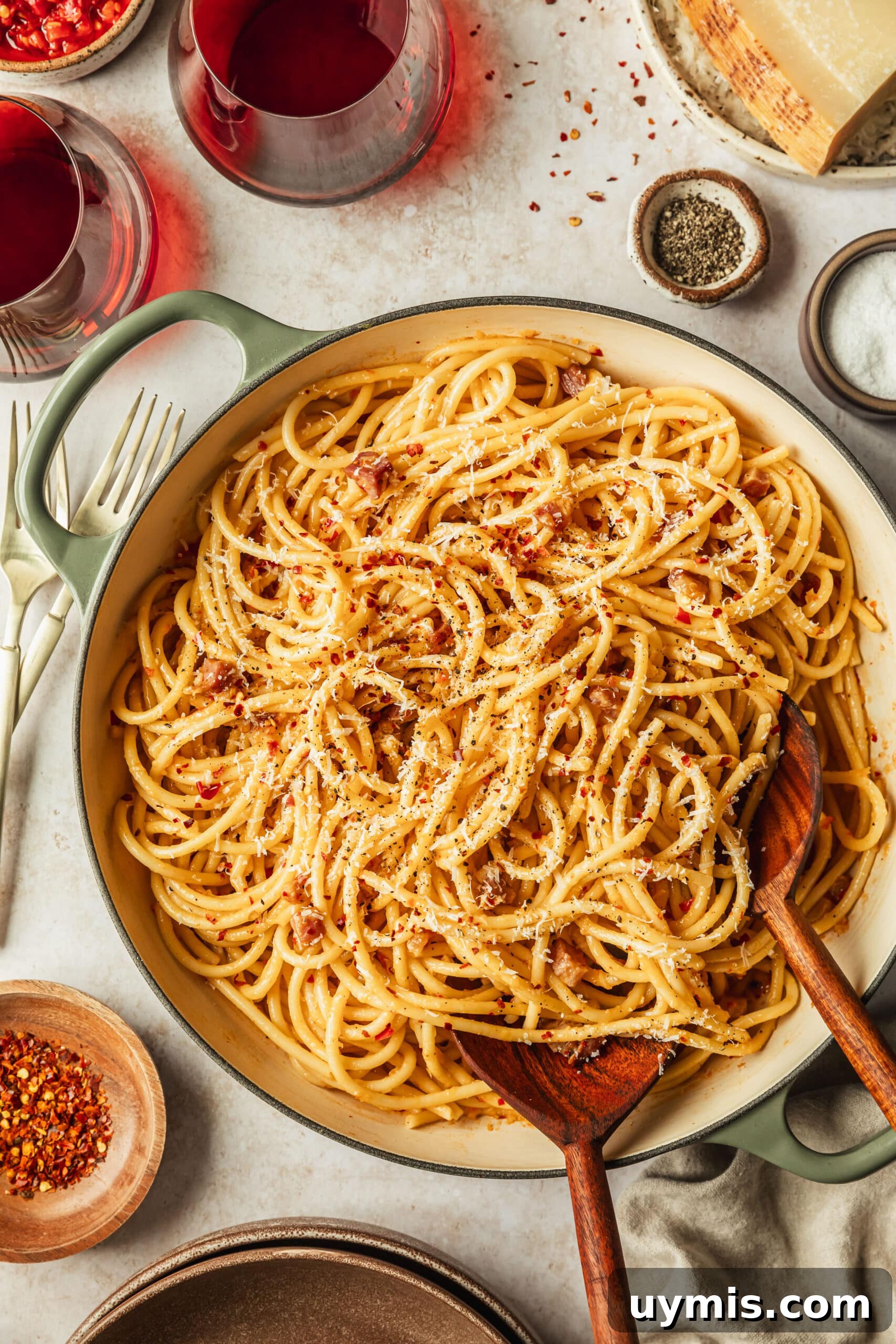
If you make this recipe, a star rating and review are always appreciated. It is a wonderful way to share your experience and support the recipe.

The Creamiest Spicy Bucatini Carbonara
Ingredients
- 8 ounces guanciale or pancetta, diced (226 grams)
- 1 pound bucatini (454 grams)
- 4 egg yolks, room temperature
- 1 whole egg, room temperature
- 1 cup grated Pecorino Romano cheese, plus more for serving (100 grams)
- 2 Tablespoons finely chopped Calabrian chilis or chili paste (30 grams)
- Kosher salt and freshly ground black pepper, to taste
- Red pepper flakes, for serving
Equipment
-
Large skillet
-
Large pot
-
Colander
-
Whisk
Instructions
-
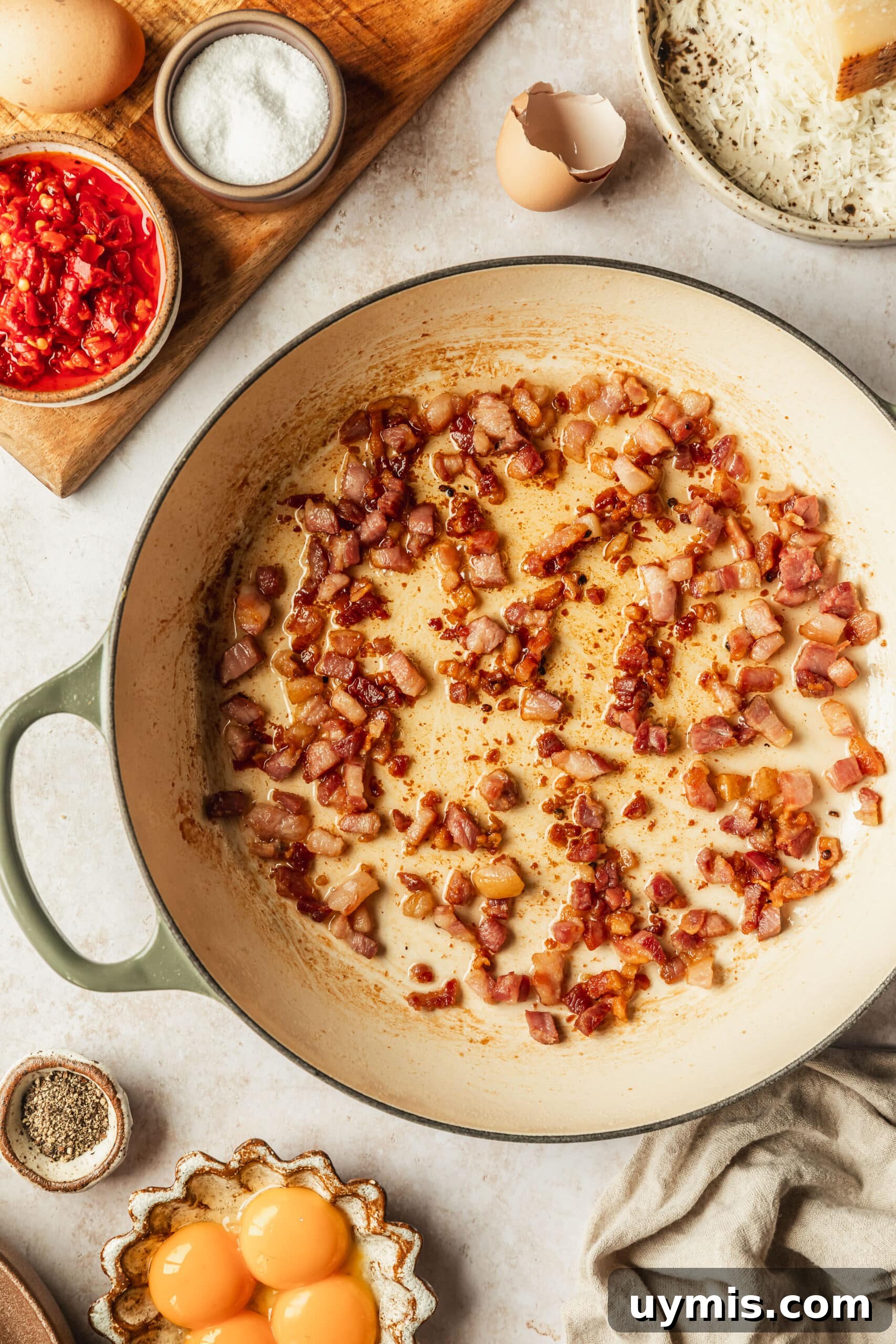
Heat a large skillet over medium-high heat. Add the guanciale or pancetta and cook, stirring occasionally, until the pork is crisp and the fat has rendered. Remove the skillet from the heat and let it cool until it is warm to the touch.
-
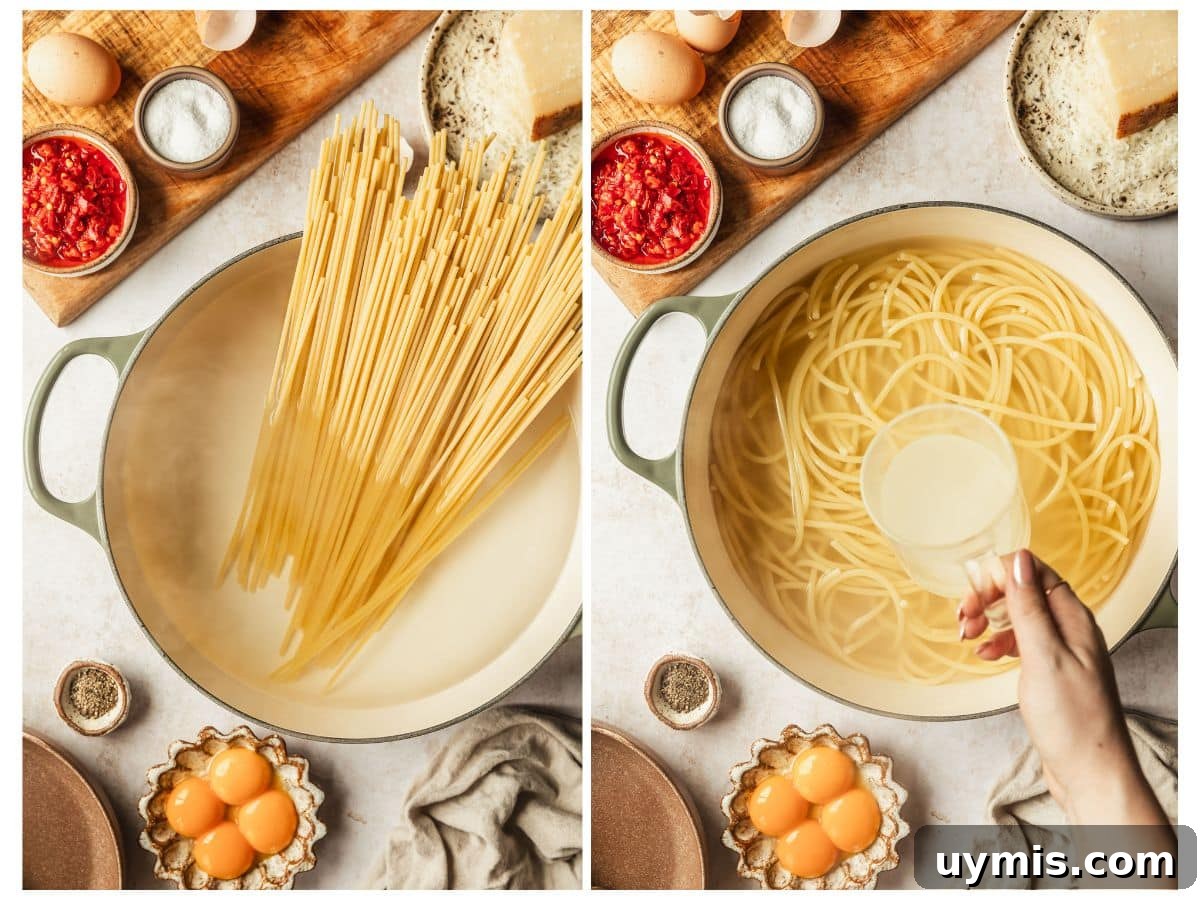
Bring a large pot of heavily salted water to a boil. Cook the bucatini according to the package directions until al dente. Before draining, reserve at least 1 cup of starchy pasta water.
-
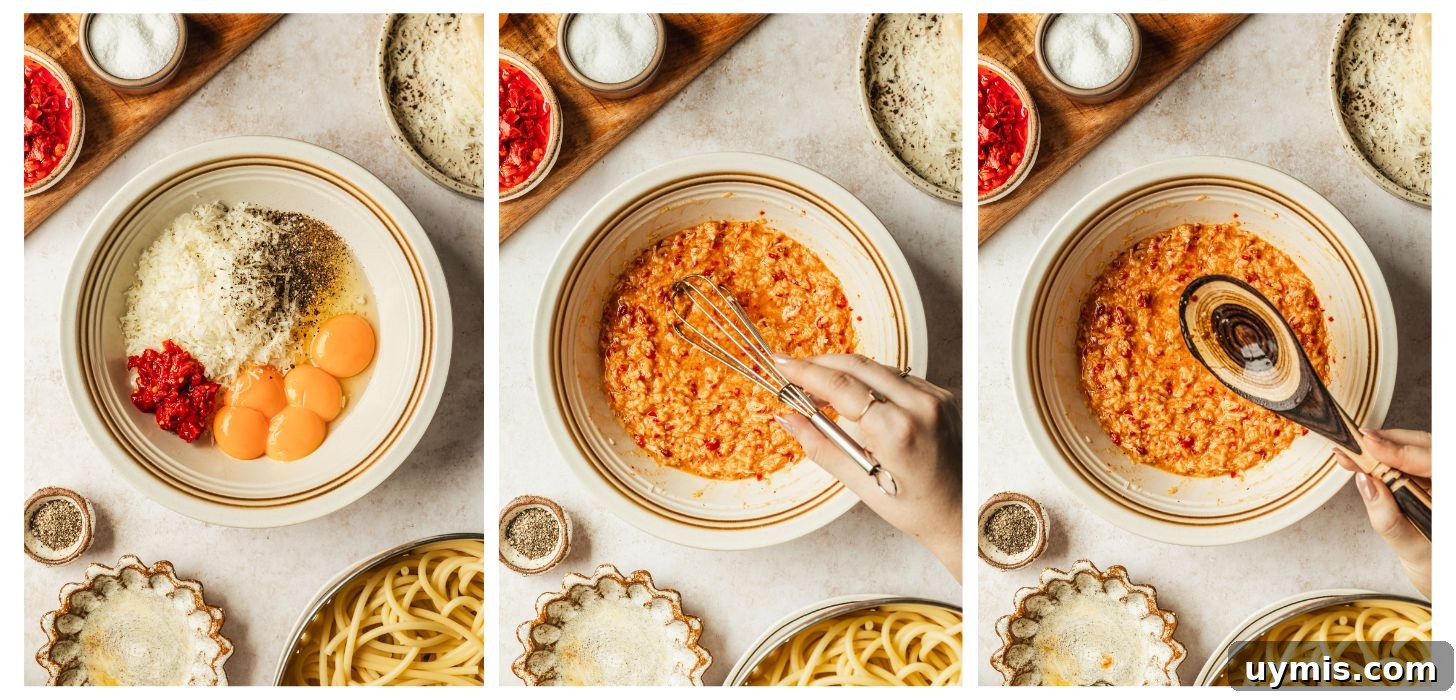
While the pasta cooks, whisk the egg yolks, whole egg, Pecorino Romano, Calabrian chili, and plenty of black pepper in a medium bowl until smooth. Slowly whisk in about 2 Tablespoons of the warm rendered pork fat to temper the eggs.
-
Add the drained pasta to the skillet with the pork. The skillet should be warm but not hot. Add the egg mixture and about 1/3 cup of reserved pasta water. Stir quickly and constantly, adding more pasta water as needed, until the sauce is smooth and creamy.
-
Taste and add salt only if needed. Serve with red pepper flakes, extra Pecorino Romano, and more freshly ground black pepper.
Notes
If you prefer less heat, start with 1 Tablespoon of Calabrian chili and add more to taste. Spice levels can vary by brand.
Room-temperature eggs help create a smoother sauce. If needed, place cold eggs in warm water for 10 to 15 minutes before using.
Spaghetti can be used instead of bucatini, and Parmesan can be used instead of Pecorino Romano. A mixture of both cheeses also works well.
Do not add salt to the egg mixture at the beginning. The pork, cheese, and pasta water are already salty, so season at the end if necessary.
Toss the pasta quickly so the sauce combines with the pork fat and starchy pasta water. Tongs can help coat the bucatini evenly.
If the sauce is too thin, warm the pasta over the lowest heat possible while stirring constantly until it thickens slightly.
This recipe can be doubled for a crowd or halved for two servings.
Originally posted on February 17, 2021.