
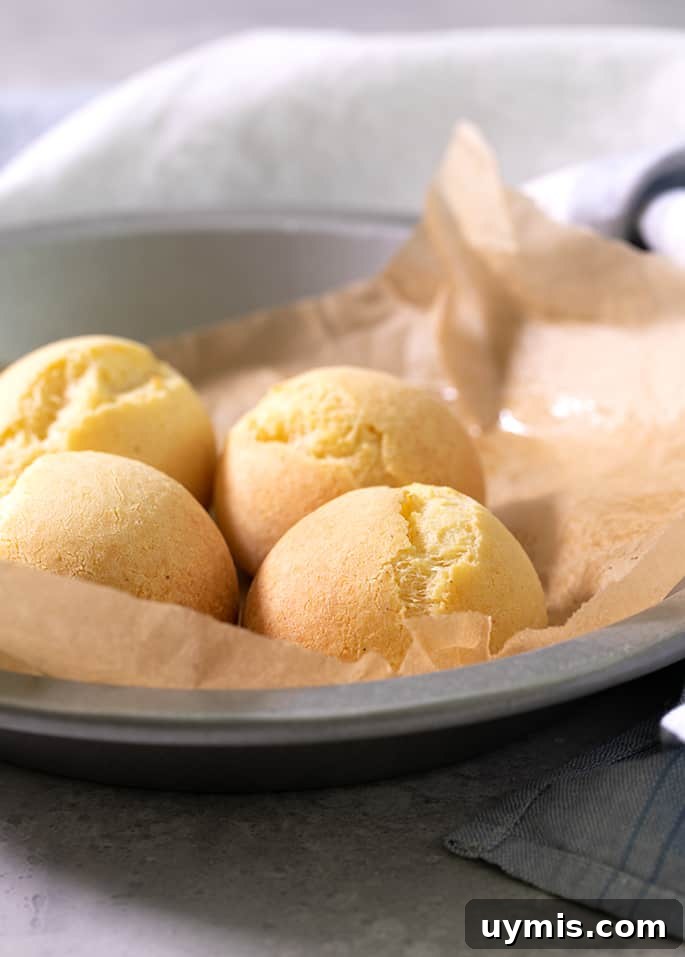
Pan de bono combines crumbly cheese, masa harina (precooked corn flour), tapioca starch, and an egg to produce an easy, naturally gluten‑free roll. The dough is simple to make, bakes quickly, and yields rolls with a crisp exterior and a soft, salty, cheesy interior.
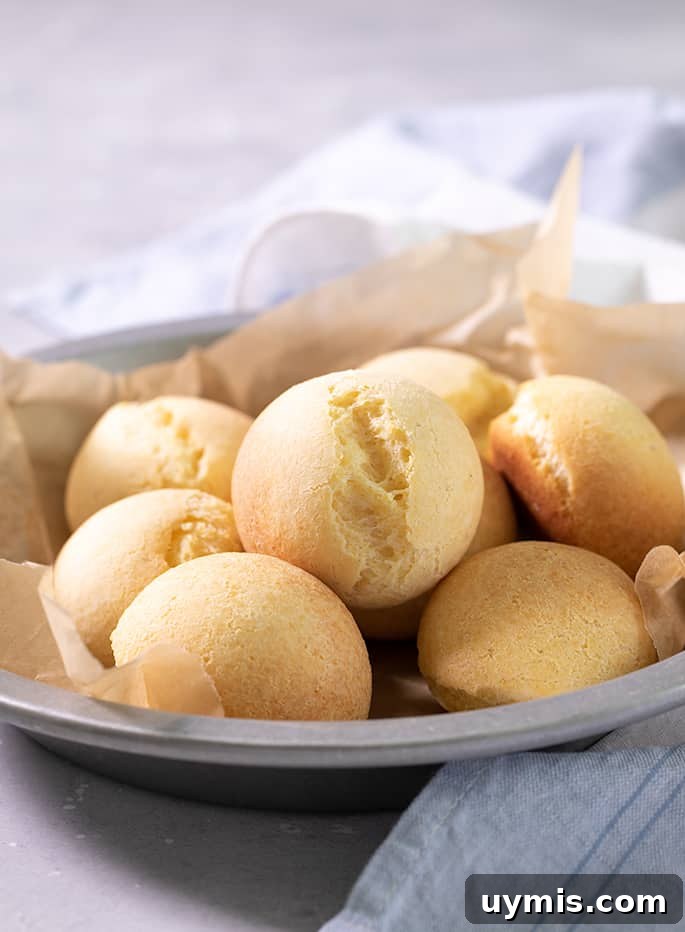
Pan de bono is a delicious, naturally gluten free bread
When you need a reliable gluten‑free bread that’s quick and forgiving, pan de bono fits the bill. Unlike recipes that require many flours and complicated blends, this one relies on just a few ingredients: a crumbly cheese, masa harina, tapioca starch, and an egg. The cheese provides flavor and structure, the masa harina gives a distinctive corn flavor, and the tapioca creates the soft, slightly chewy crumb.
These rolls have layered flavor: a lightly crisp exterior and a warm, salty core. They are ideal for breakfast, as a snack, or alongside soups and salads. The dough comes together in a food processor, so prep time is short and cleanup is minimal.
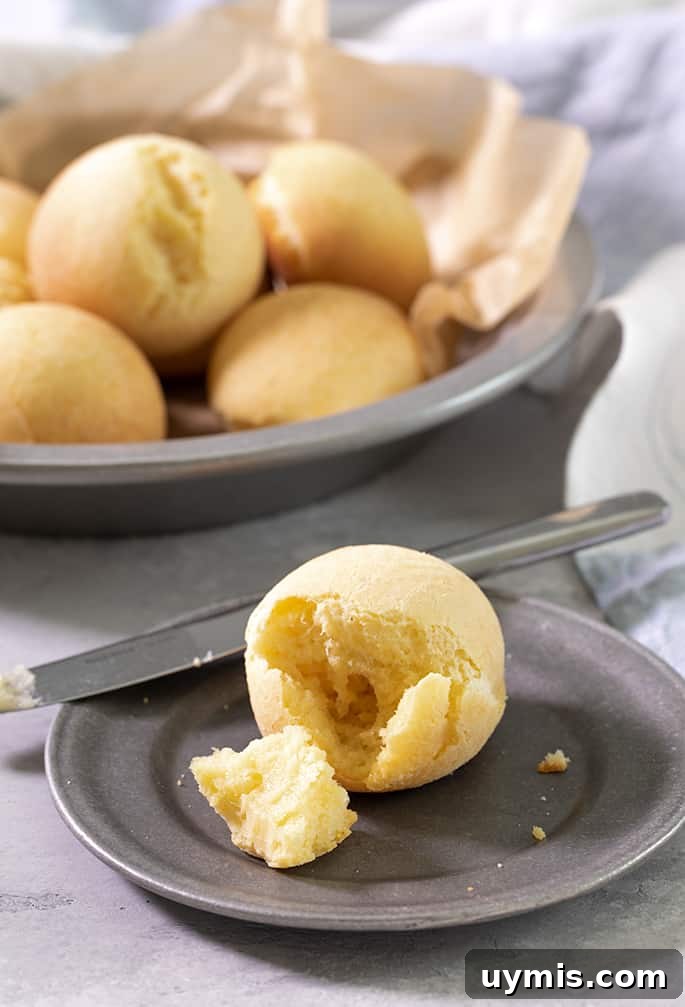
How to make pan de bono dough
Make the dough in a food processor fitted with the steel blade. Start by pulsing the cheese until it breaks into small, pebble‑sized pieces. You can use queso fresco, a mild crumbly cheese, or a saltier cheese like feta — adjust the added salt accordingly. Dairy‑free alternatives can also work with some adjustments (see substitutions).
After the cheese is pulsed, add the masa harina, tapioca starch, and salt and pulse to combine. With the processor running, add the egg and process until the mixture forms a cohesive, smooth ball of dough. This happens quickly — stop to scrape down the bowl if needed. If the dough is tacky, chill it briefly until it firms up slightly for easier shaping.
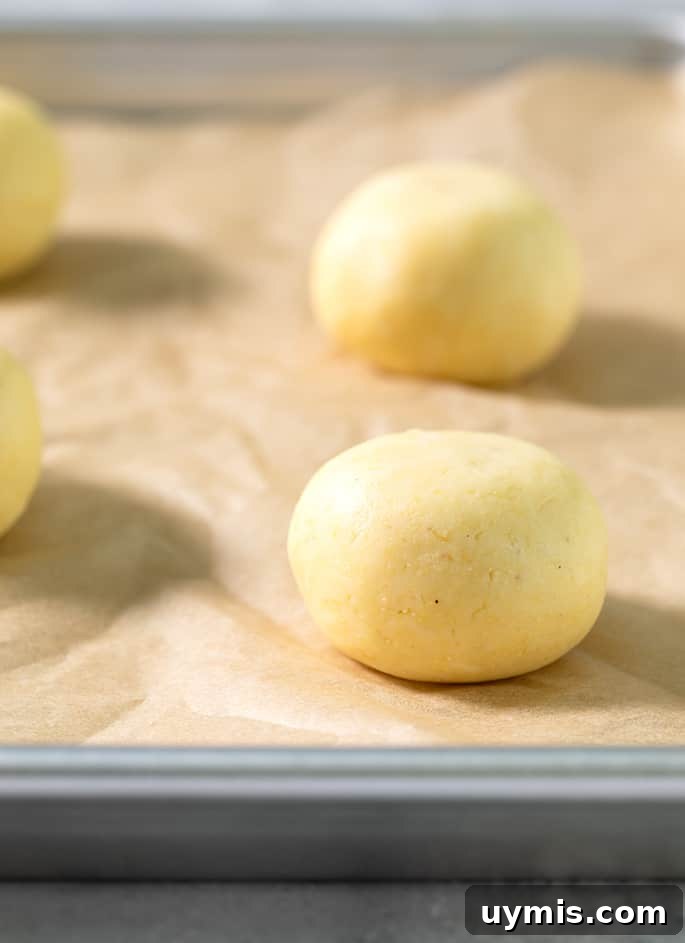
Handling and baking pan de bono dough
The dough is pliable and easy to shape into rounds. It may feel tacky but should not cling to your hands; if it does, chill it for about 10–15 minutes or work with wet hands. Form the dough into 8–10 balls and place them about an inch apart on a parchment‑lined baking sheet.
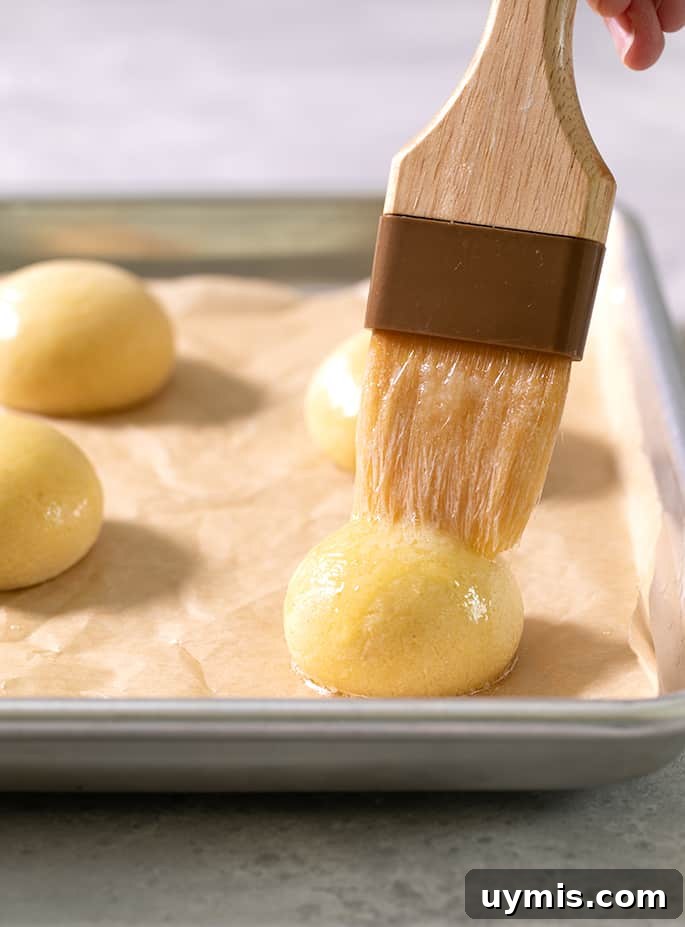
Bake the rolls in a preheated 375°F (190°C) oven for 10 minutes, then brush with melted butter and return them to the oven until puffed and lightly golden all over, including the bottoms and edges. The melted butter promotes a deeper color and adds richness—use vegan butter if you need a dairy‑free finish. Allow the rolls to cool briefly before serving.
Information about ingredients and possible substitutions
Can you make pan de bono dairy free?
Yes. To make dairy‑free pan de bono, substitute a firm dairy‑free shredded or crumbled cheese (such as an 8‑ounce package of a reliable brand), increase the tapioca starch by about 1/3 cup (so the total is 1 cup / 120 g), and add an extra egg (use 2 eggs total, about 100 g weighed out of shell). Use melted vegan butter for brushing. Expect the dough to be slightly stickier — shape with wet hands. The rolls will puff up and taste great, though they may brown less deeply than the dairy version.
Can you make pan de bono without eggs?
Because this recipe contains only one egg, substitutions are experimental. One option is a chia “egg” made from 1 tablespoon ground chia seeds plus 1 tablespoon lukewarm water, mixed and allowed to gel. Results may vary, but this is a starting point for egg‑free or fully vegan attempts.
Can you make corn-free pan de bono?
Masa harina is a precooked corn flour that gives pan de bono its characteristic texture and flavor. It behaves differently than regular cornmeal, so substituting another grain is unlikely to produce authentic results. If you must avoid corn, this specific recipe may not be the best choice.
The combination of masa harina and tapioca starch, together with cheese and an egg, creates the roll’s texture and flavor: a crisp shell and a moist, slightly stretchy interior with a salty, cheesy finish.
FAQs
Is pan de bono gluten free?
Yes. The recipe is naturally gluten‑free, but be mindful of cross‑contact. Use brands of masa harina and tapioca starch that are certified gluten‑free if you need to avoid gluten, and prepare the dough in a gluten‑free environment.
What does pan de bono taste like?
Pan de bono has a thin, crisp shell and a moist, slightly sticky crumb. It is savory because of the cheese and offers an airy texture reminiscent of popovers, though with a different chew and density due to the tapioca and corn flour.
Is cassava starch the same as tapioca starch?
Tapioca starch (also called tapioca flour) is the pure starch extracted from the cassava (yuca) root. Cassava flour is made by drying and grinding the whole peeled root and behaves differently in recipes. For this recipe you want tapioca starch/flour.
Can I use regular cornmeal instead of masa harina?
No. Masa harina is nixtamalized (treated with an alkaline solution) and is precooked, so its hydration and texture are different from regular cornmeal. Use masa harina specifically for best results.
Pan de bono — Recipe
Yield: 8–10 rolls | Prep: 15 mins | Cook: 18 mins | Chill: 15 mins (if needed)
Equipment
- Food processor fitted with steel blade
Ingredients
- 8 ounces (about 225 g) queso fresco, quesito, or feta (crumbly cheese)
- 1/3 cup (44 g) masa harina (precooked corn flour)
- 2/3 cup (80 g) tapioca starch/flour
- 1/4 teaspoon kosher salt (omit if your cheese is very salty)
- 1 egg (about 50 g weighed out of shell), room temperature
- 2 tablespoons (28 g) unsalted butter, melted (or vegan butter)
Instructions
- Preheat the oven to 375°F (190°C). Line a rimmed baking sheet with parchment paper.
- In the food processor bowl, pulse the cheese until it breaks into small pebble‑sized pieces.
- Add the masa harina, tapioca starch, and salt; pulse until combined.
- With the processor running, add the egg and blend until a smooth, cohesive ball forms, about 2 minutes. Stop and scrape the bowl if needed.
- If the dough is sticky, transfer to a medium bowl, cover, and chill for about 15 minutes to firm up.
- Divide the dough into 8–10 pieces. Roll each portion between your palms into a round and place about 1 inch apart on the prepared baking sheet.
- Bake in the center of the oven for 10 minutes. Remove, brush with melted butter, and return to the oven until the rolls are puffed and lightly golden all over and underneath.
- Allow the rolls to cool briefly before serving.
Notes
These rolls work well with a variety of crumbly cheeses and can be adapted to dairy‑free versions with the adjustments noted above. Results with egg substitutes are experimental; a chia “egg” may work but will change texture.
Nutrition information is an approximation.