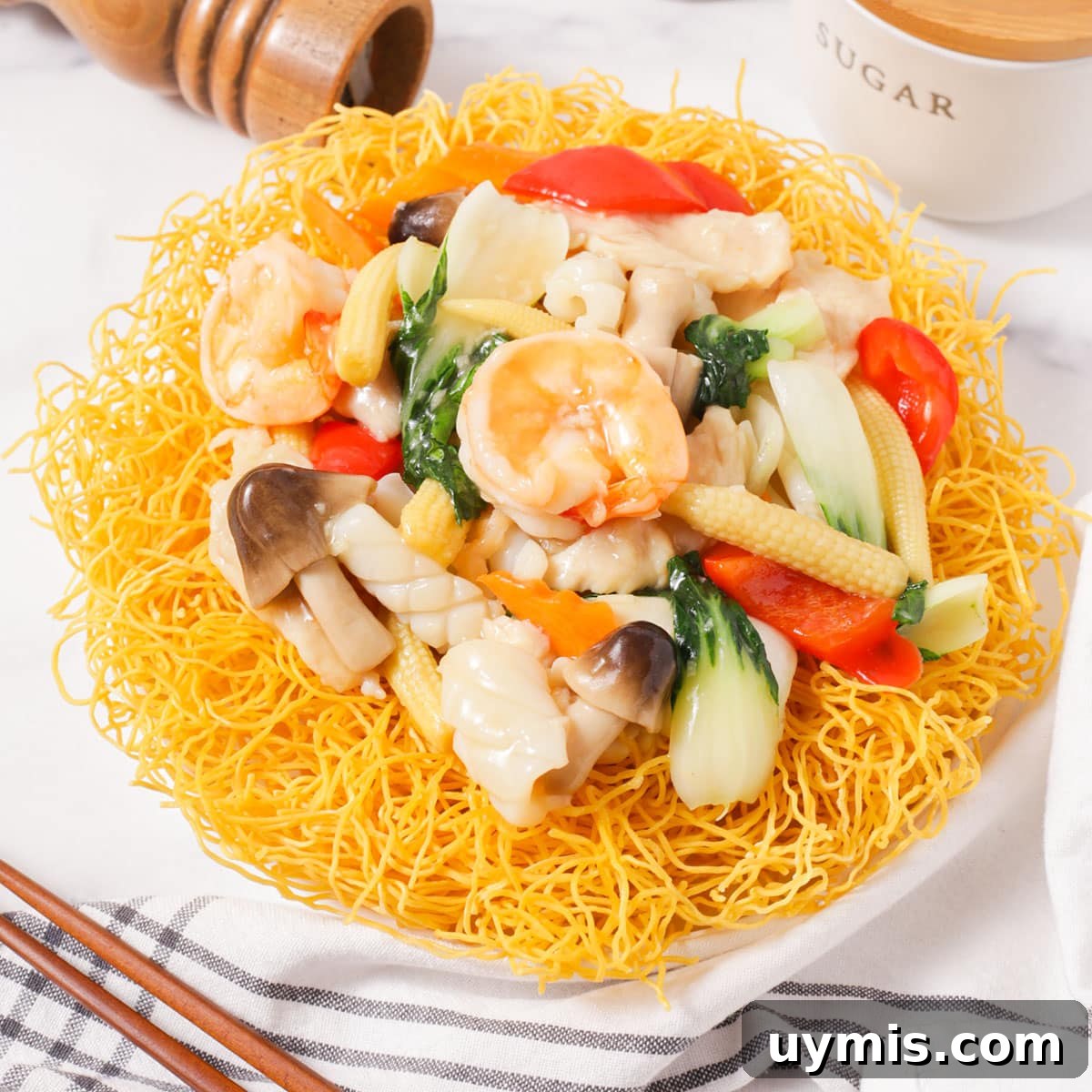
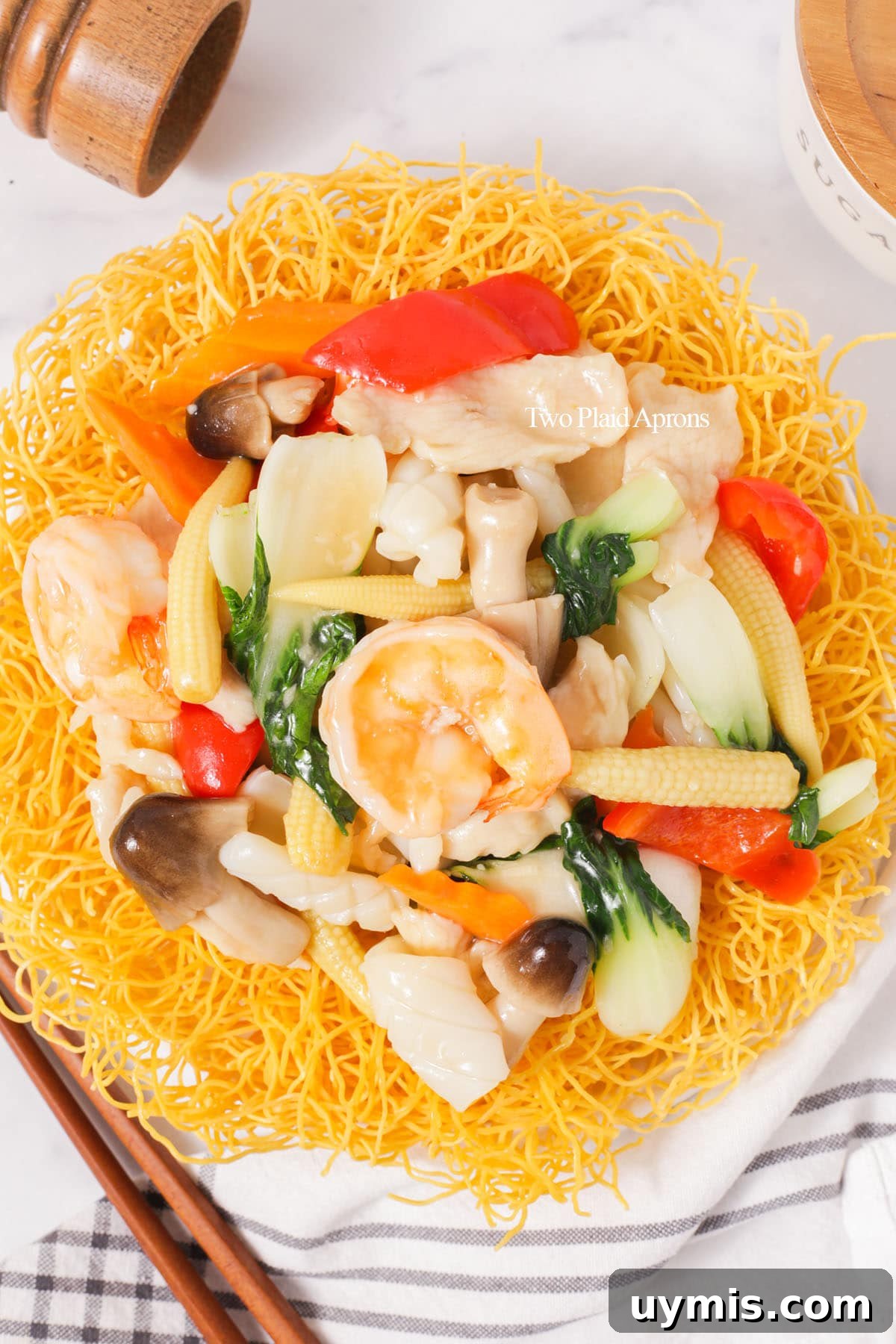
Mi xao gion, also called mi xao don, is a crispy noodle stir fry enjoyed in Vietnamese and Chinese cooking. The dish features a golden nest of fried egg noodles topped with a glossy stir fry of meat, seafood, and vegetables in a light savory sauce. This homemade version is fresh, flavorful, and satisfying, with crisp noodles that slowly soften as they soak up the sauce.
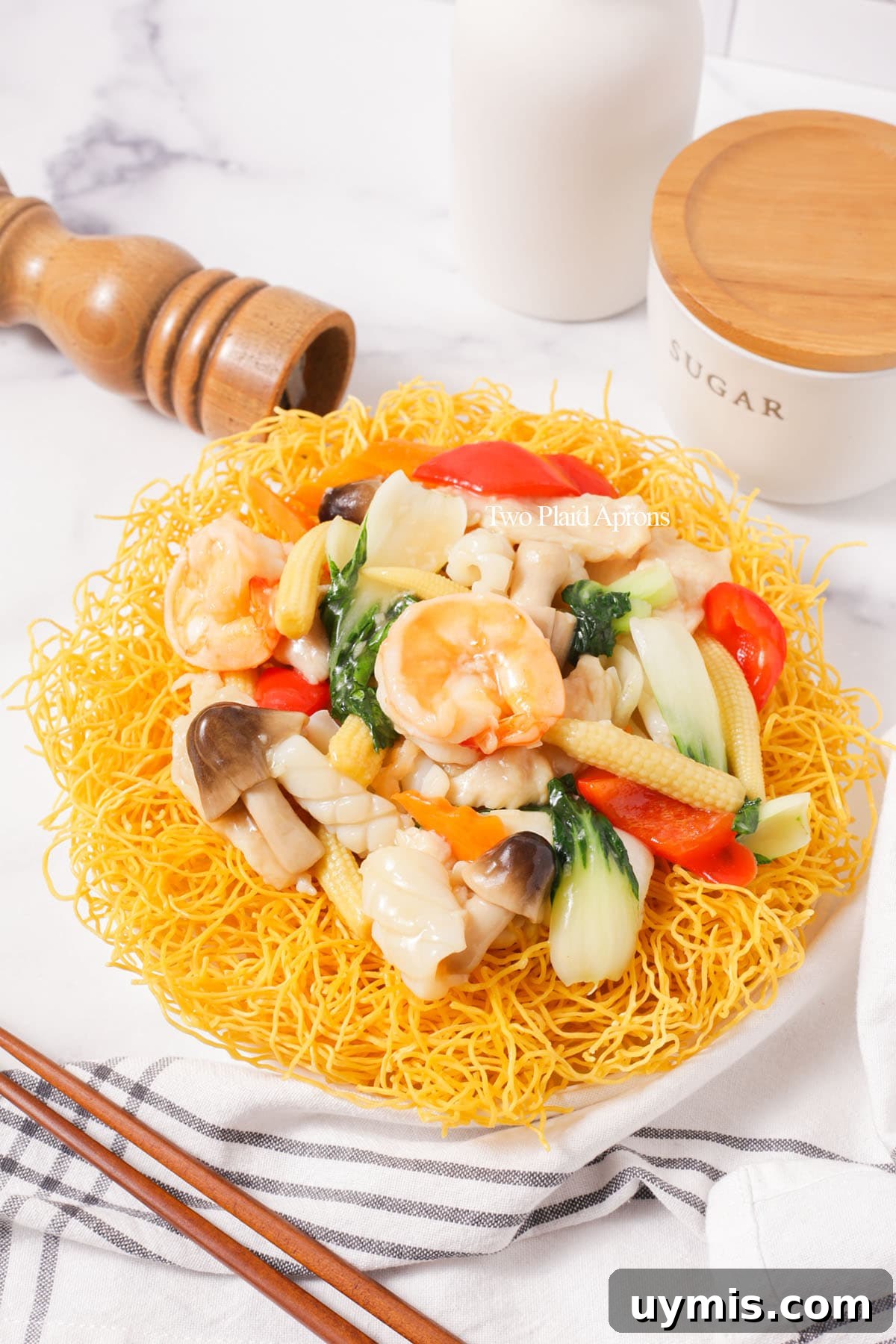
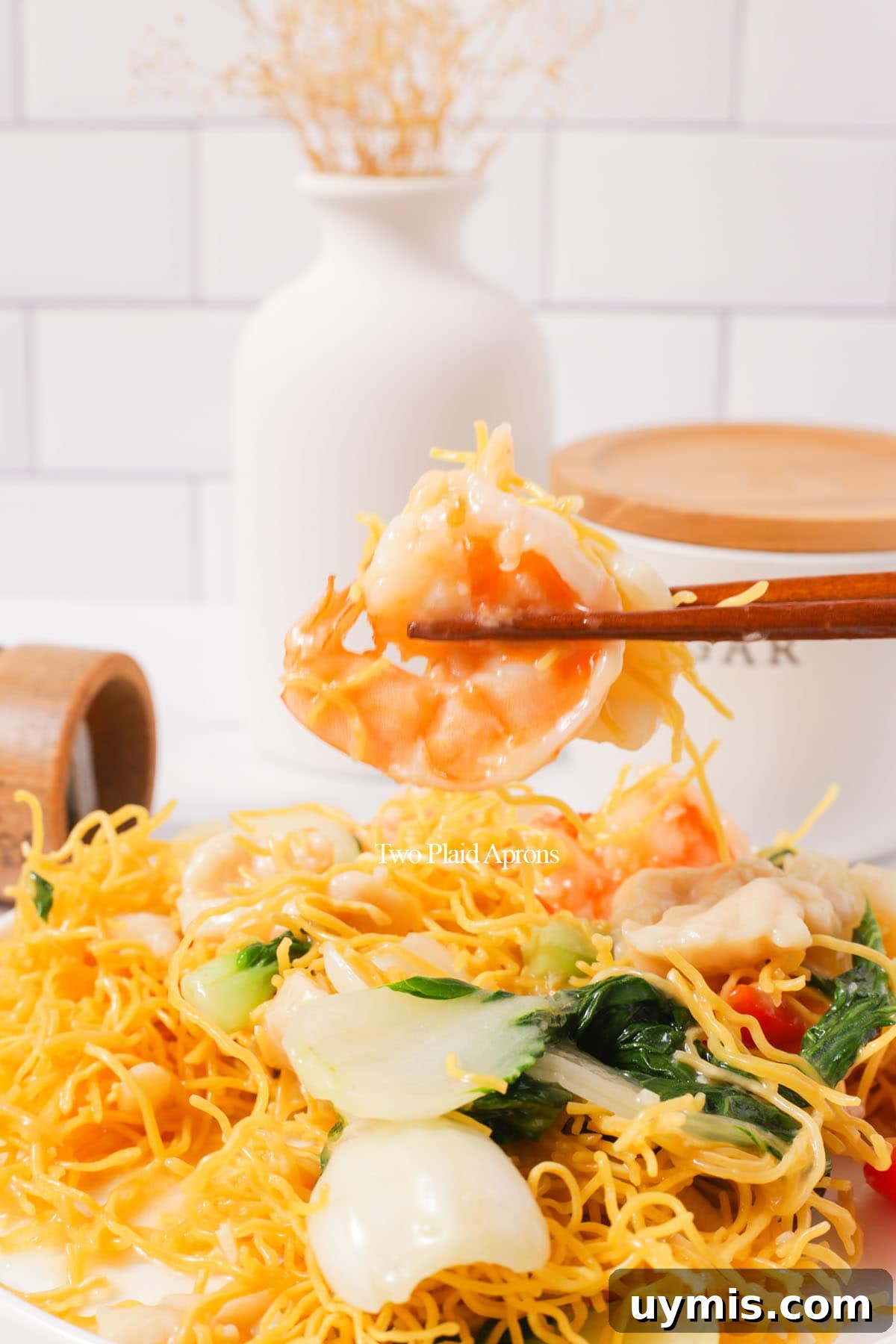
Mi xao gion is easy to recognize by its signature nest of crispy, golden noodles. The contrast is what makes this Vietnamese crispy noodle stir fry so special: crunchy noodles on the bottom, tender proteins and vegetables on top, and a delicate sauce that ties everything together. At first, the noodles are crisp and airy. After a few minutes, they absorb the sauce and become soft, chewy, and deeply flavorful.
This dish is often served in Vietnamese and Cantonese restaurants, but it is also very doable at home. The key is preparing each part properly: marinate the proteins, blanch the vegetables briefly, fry the noodles until crisp, and finish everything in a simple oyster sauce-based gravy.
What is mi xao gion?
Mi xao gion, or mi xao don, is a popular crispy noodle stir fry commonly found at Vietnamese and Chinese restaurants. In Vietnamese, “mì” means noodles, “xào” means fried, and “giòn” means crispy. Together, the name translates to crispy fried noodles.
In Chinese restaurants, a similar dish may be listed as bird’s nest noodles, crispy chow mein, Cantonese crispy chow mein, or crispy egg noodles. No matter the name, the dish usually refers to fried egg noodles shaped into a nest and topped with a saucy mixture of proteins and vegetables.
There are several versions of mi xao gion. This recipe is closest to mì xào giòn thập cẩm, which includes a combination of meat, seafood, and vegetables. Another common variation is mì xào giòn gà, made with chicken and vegetables only.
Ingredient notes
Please scroll down to the recipe card for exact ingredient quantities.
For the dish:
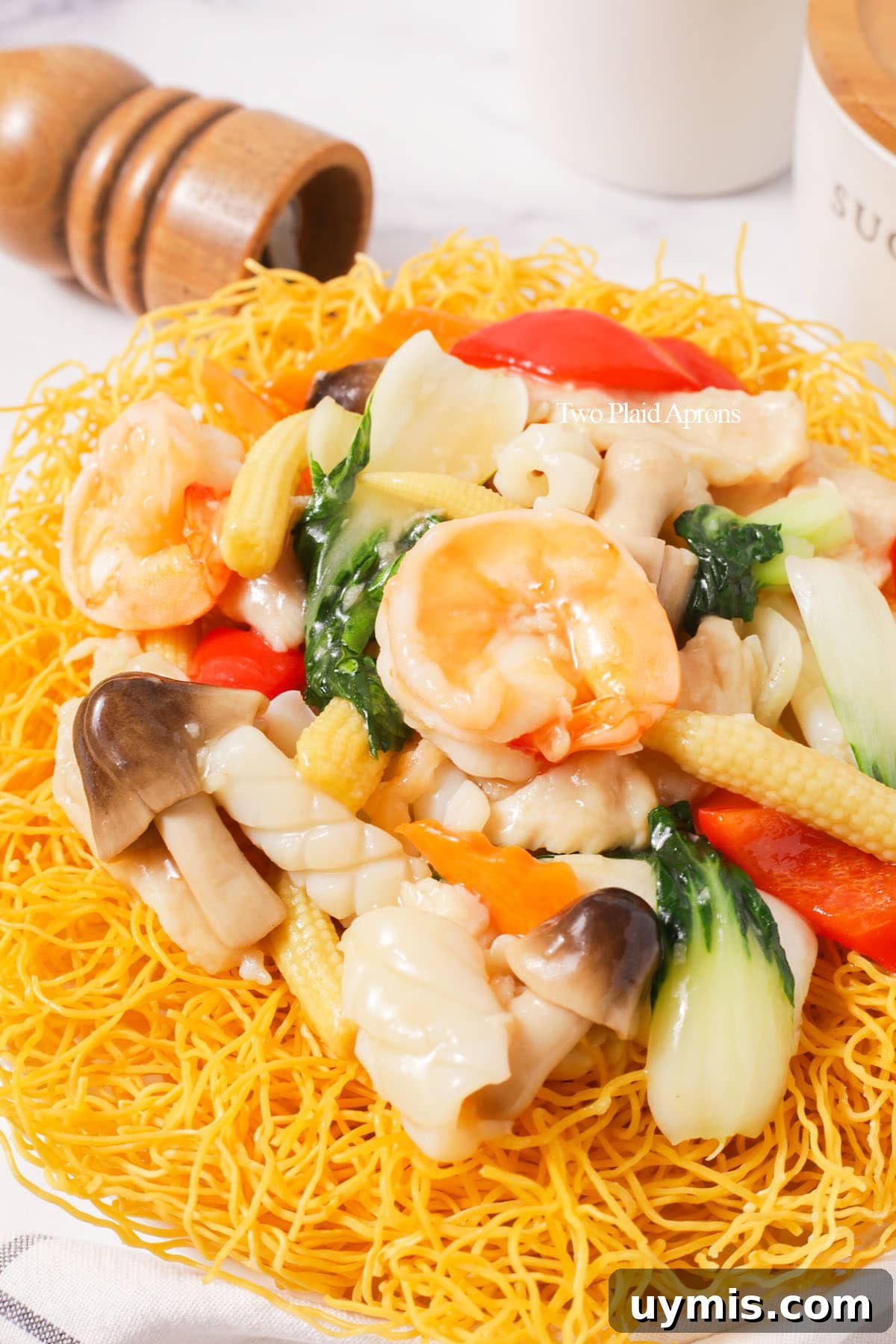
- Chicken or beef – Both are common choices for mi xao gion. Chicken breast gives the dish a clean, light flavor. For beef, flank steak, eye round, chuck roast, or skirt steak work well when sliced thinly.
- Shrimp and squid – Shrimp and squid are often used together in this dish. You can use one or both. If using frozen squid, thaw it fully before cutting and cooking.
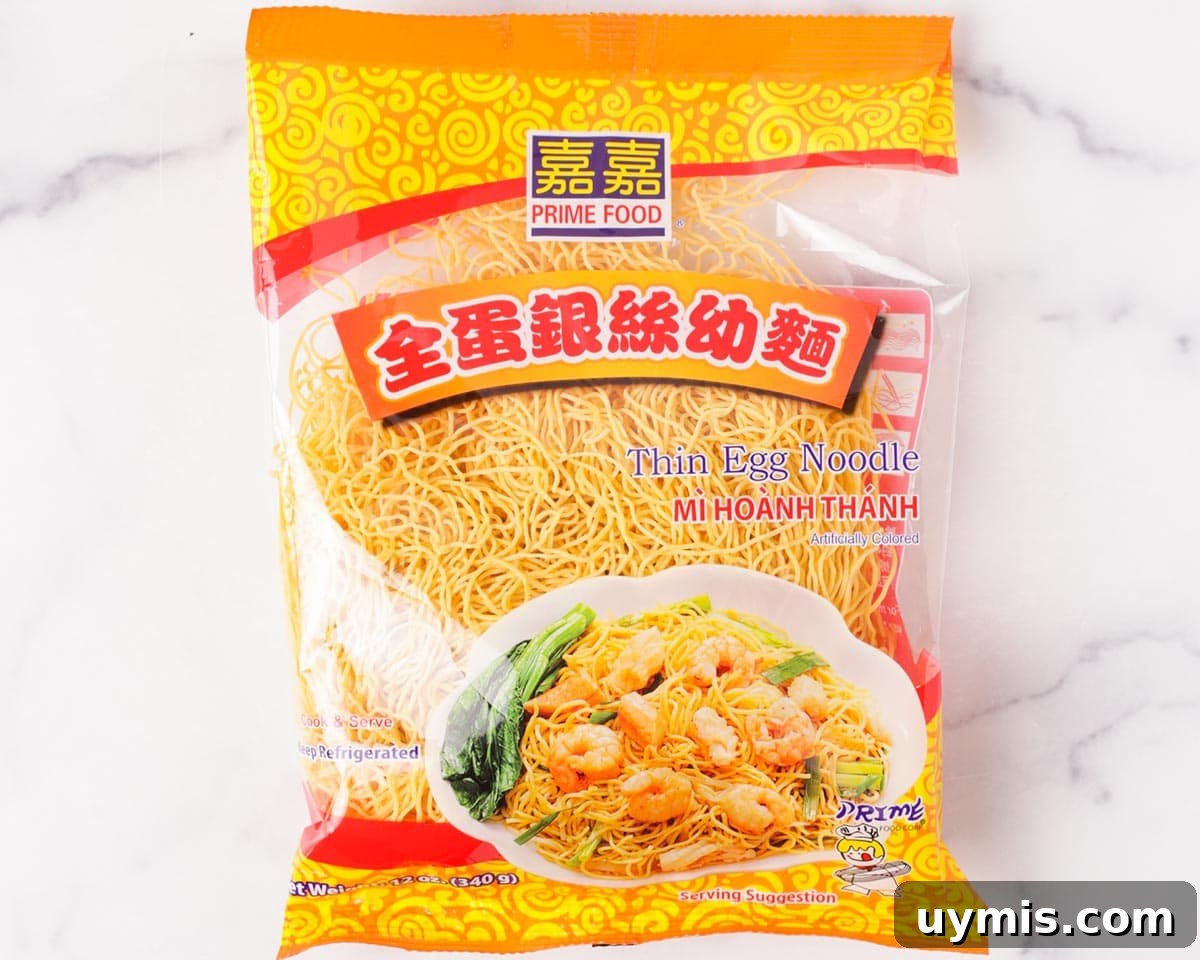
- Egg noodles – Fresh egg noodles are best for crispy fried noodles. Thin egg noodles or chow mein noodles fry quickly and become beautifully golden.
- Vegetables – Use vegetables you enjoy. Bok choy, carrots, red bell pepper, straw mushrooms, and baby corn are excellent options. Canned straw mushrooms and baby corn are already cooked, so they only need brief heating.
- Garlic – Minced garlic adds fragrance and depth to the sauce.
- Sesame oil – A small amount of toasted sesame oil gives the finished stir fry a subtle nutty aroma.
- Oil – Use a neutral, high smoke point oil for frying and cooking, such as canola, avocado, peanut, sunflower, or soybean oil.
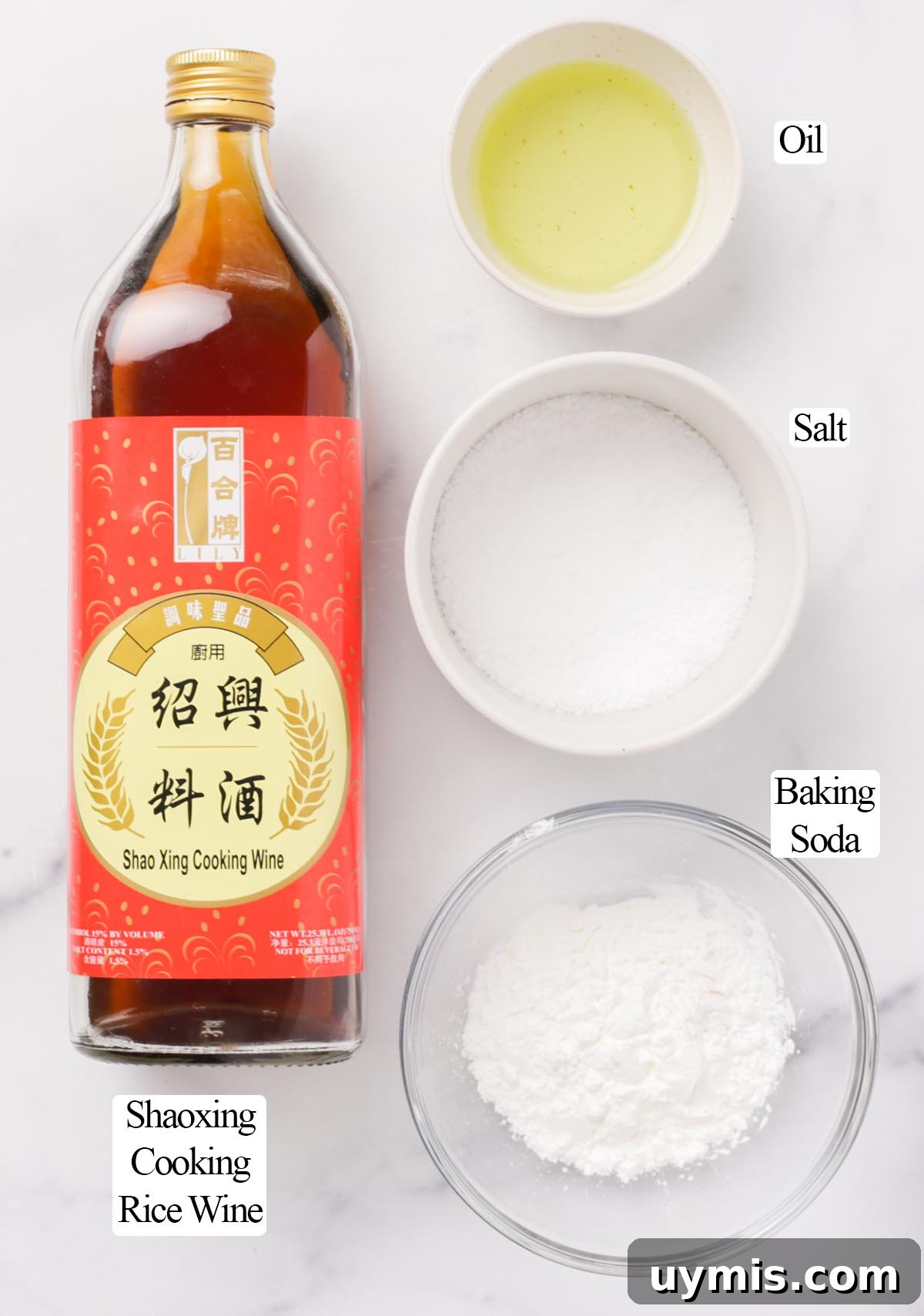
Ingredients needed for marinating:
- Water and baking soda – Water helps the meat stay juicy, while baking soda tenderizes the chicken or beef and helps it retain moisture.
- Salt – Used to season the proteins before cooking.
- Shaoxing rice wine – Optional, but highly recommended. It helps reduce unwanted flavors in meat and seafood.
- Cornstarch – Cornstarch coats the proteins and helps protect them during cooking. It is also used to thicken the sauce.
- Oil – A small amount of neutral oil in the marinade helps the pieces separate more easily when cooked.
For the sauce:
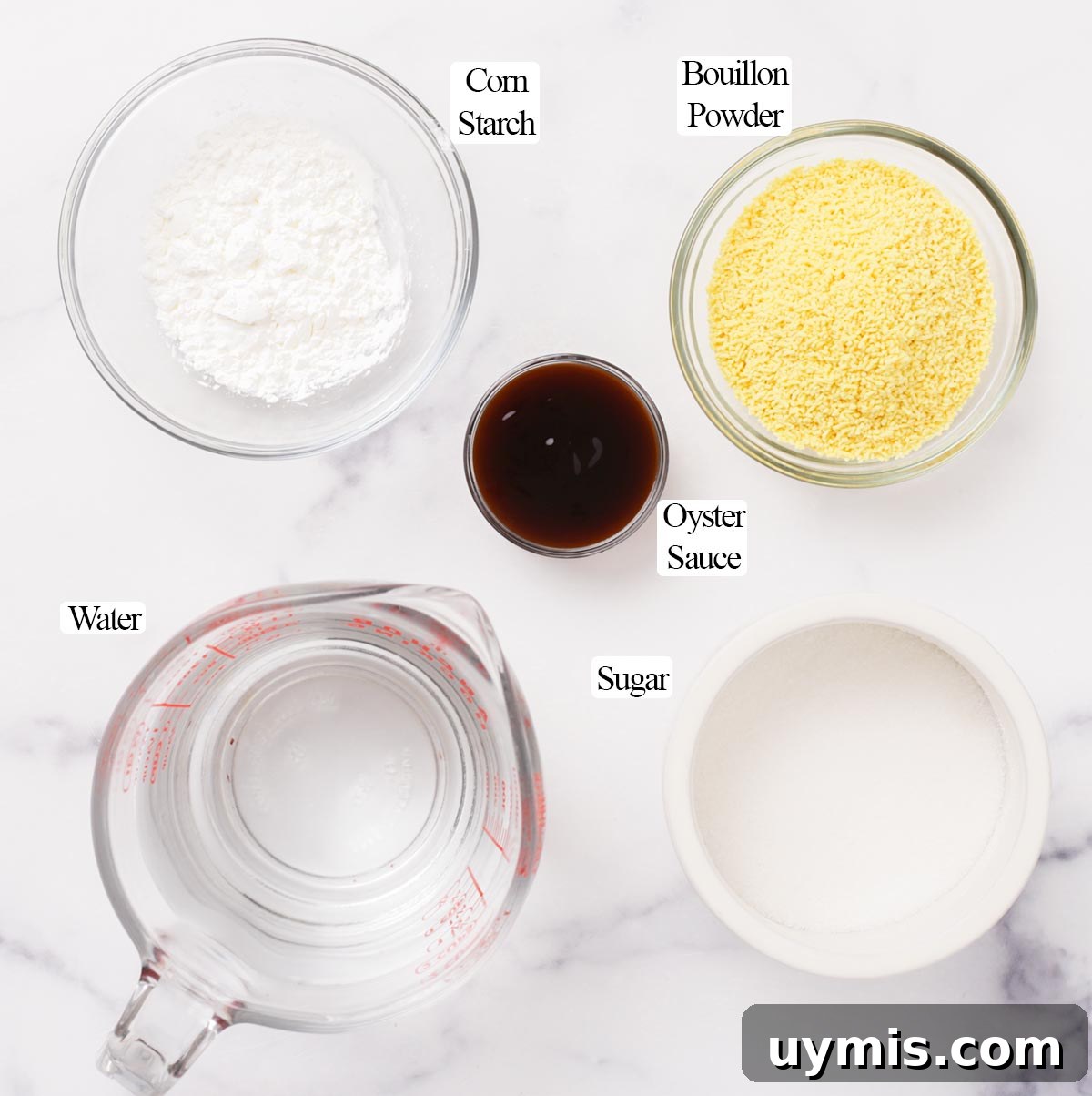
- Water or unsalted chicken stock – This forms the base of the sauce. Unsalted stock adds more flavor, while water also works well.
- Chicken bouillon powder – Adds savory depth and boosts the flavor of the sauce.
- Oyster sauce – The main seasoning for the light, glossy gravy.
- Sugar – A small amount balances the saltiness of the oyster sauce.
- Cornstarch – Thickens the sauce so it coats the vegetables, seafood, meat, and crispy noodles.
Variations
Mi xao gion is flexible and easy to customize. You can adjust the proteins, seafood, and vegetables based on what you like or already have available.
- Protein – Chicken and beef are the most common meat options. Marinating them helps keep the texture tender and juicy.
- Seafood – Shrimp and squid are classic choices. Scallops can also be used; add them briefly during blanching so they do not overcook.
- Vegetables – Bok choy, carrots, onions, and mushrooms are common. Straw mushrooms, baby corn, and water chestnuts are also popular and are often sold canned at Asian markets.
How to make mi xao gion
Please scroll down to the recipe card for the full recipe and detailed instructions.
Prepare the proteins:
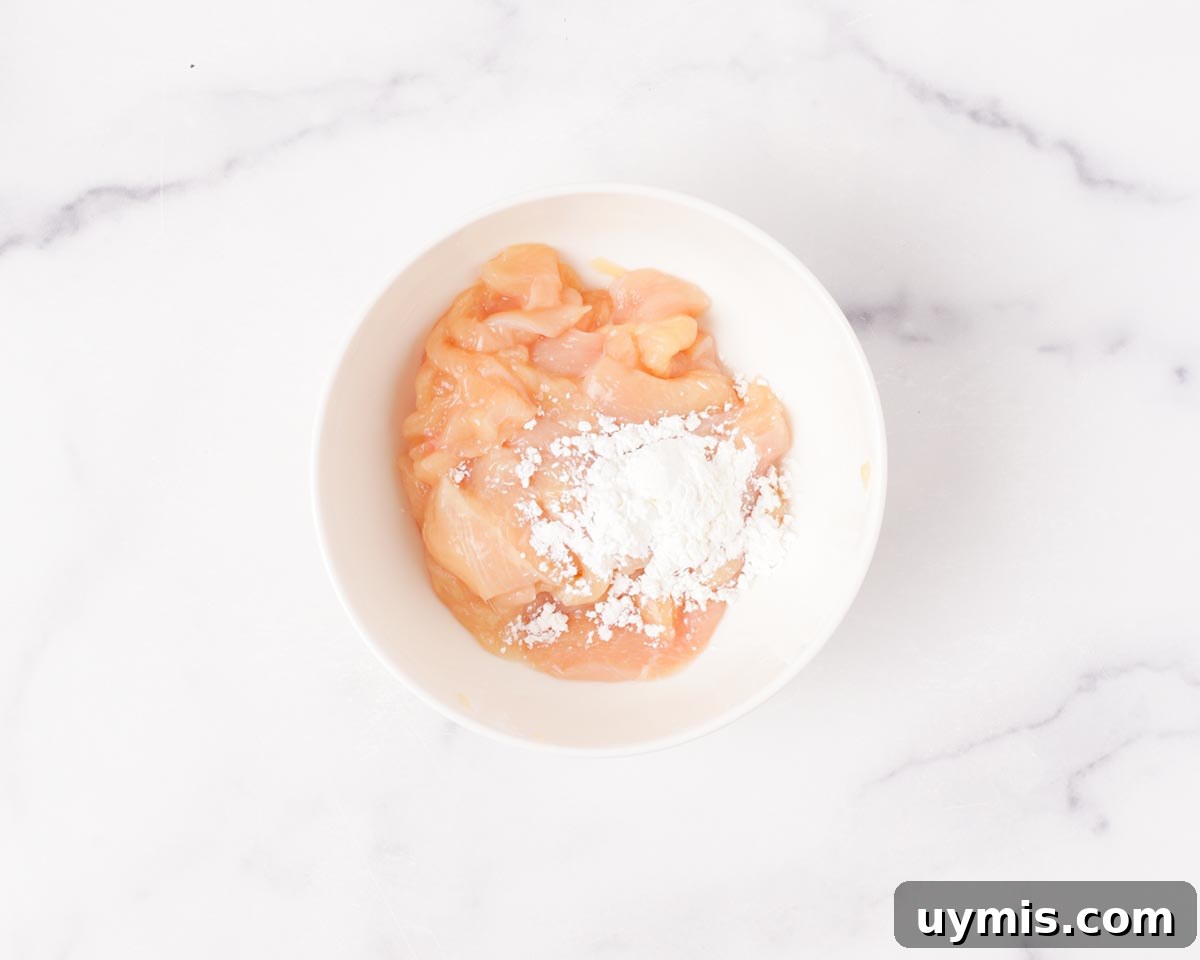
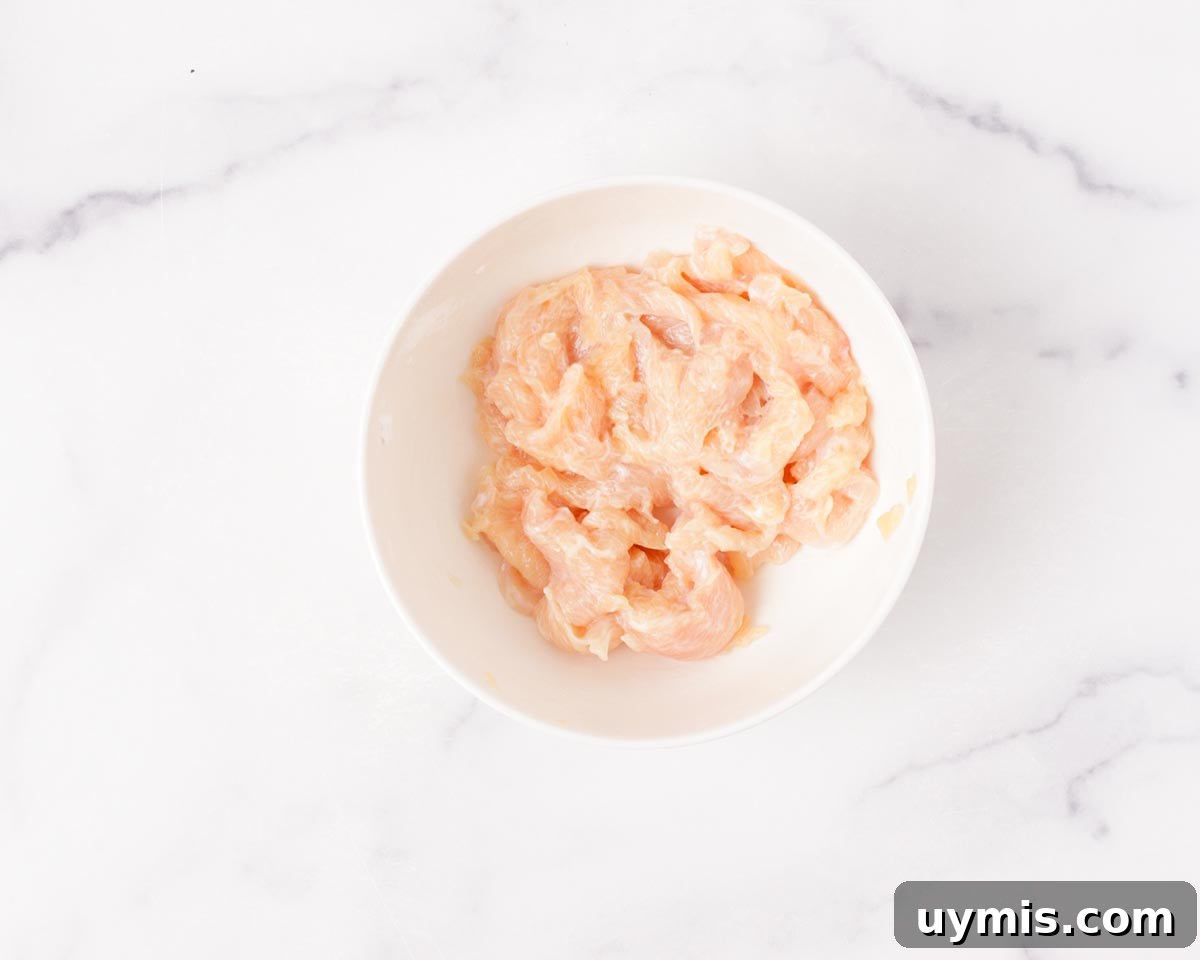
1. Marinate the chicken or beef. Combine the sliced chicken or beef with water, Shaoxing rice wine, salt, and baking soda. Mix until the meat absorbs most of the liquid. Add cornstarch and mix until evenly coated, then stir in the oil.
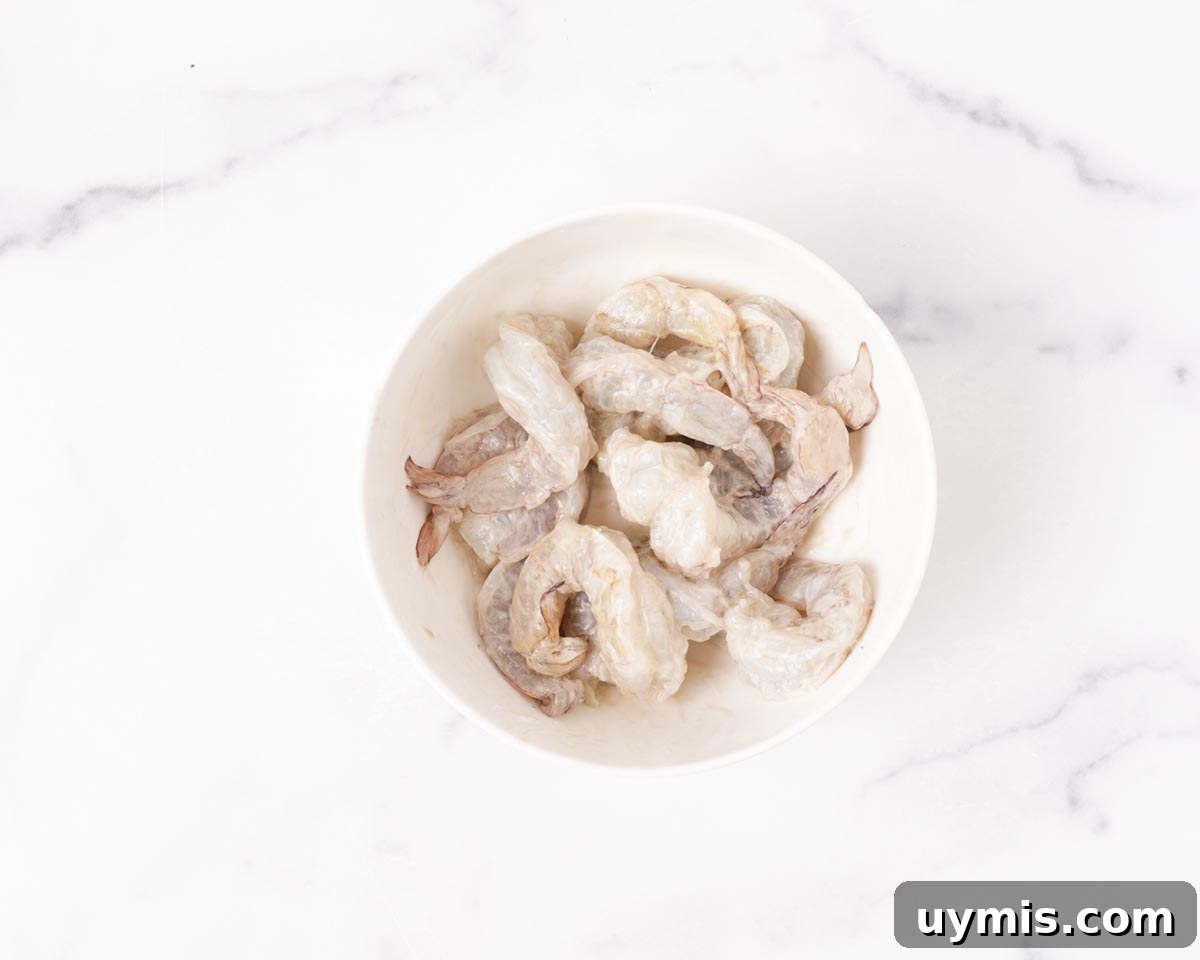
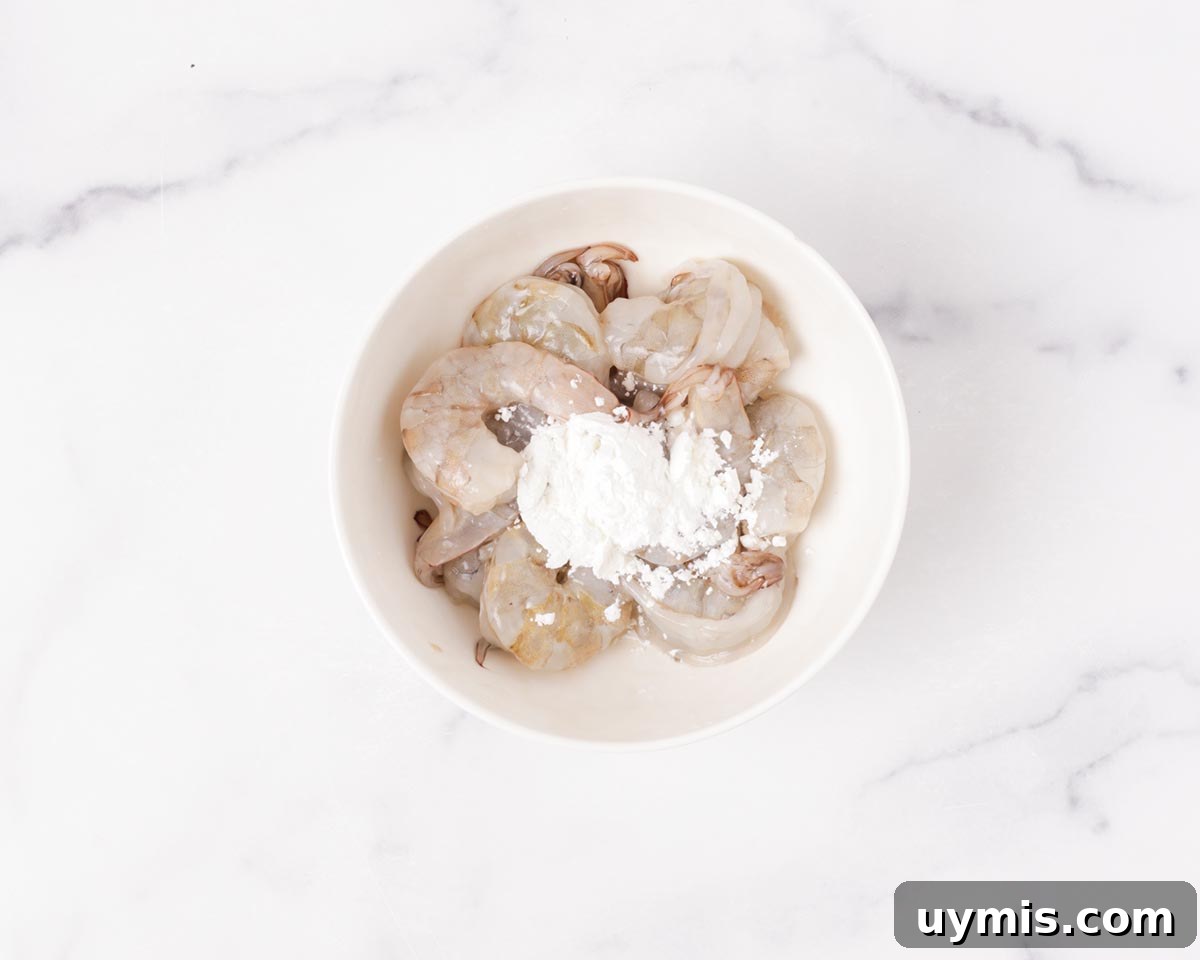
2. Marinate the shrimp. Toss the shrimp with Shaoxing rice wine and salt. Add cornstarch and mix until the shrimp are coated, then finish with oil.
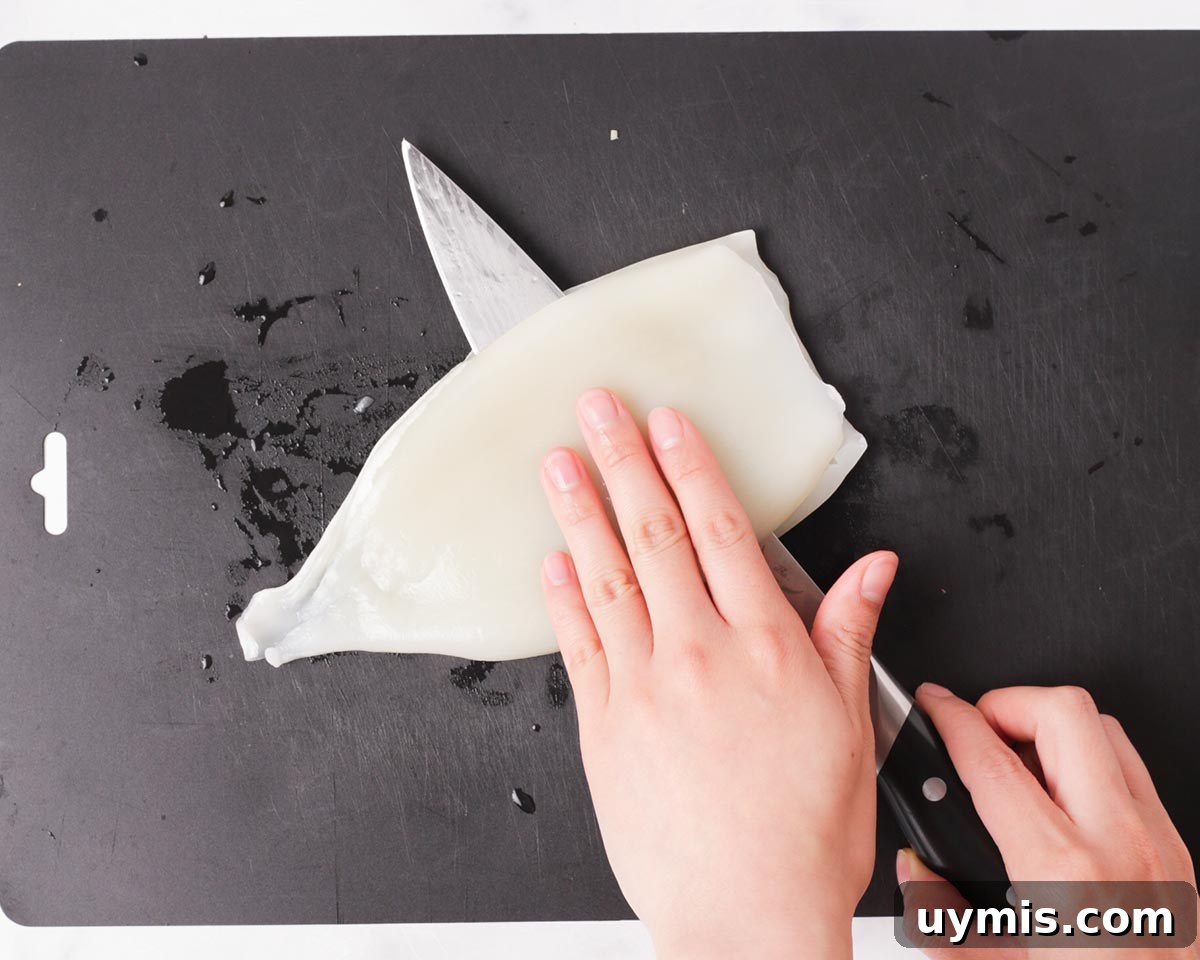
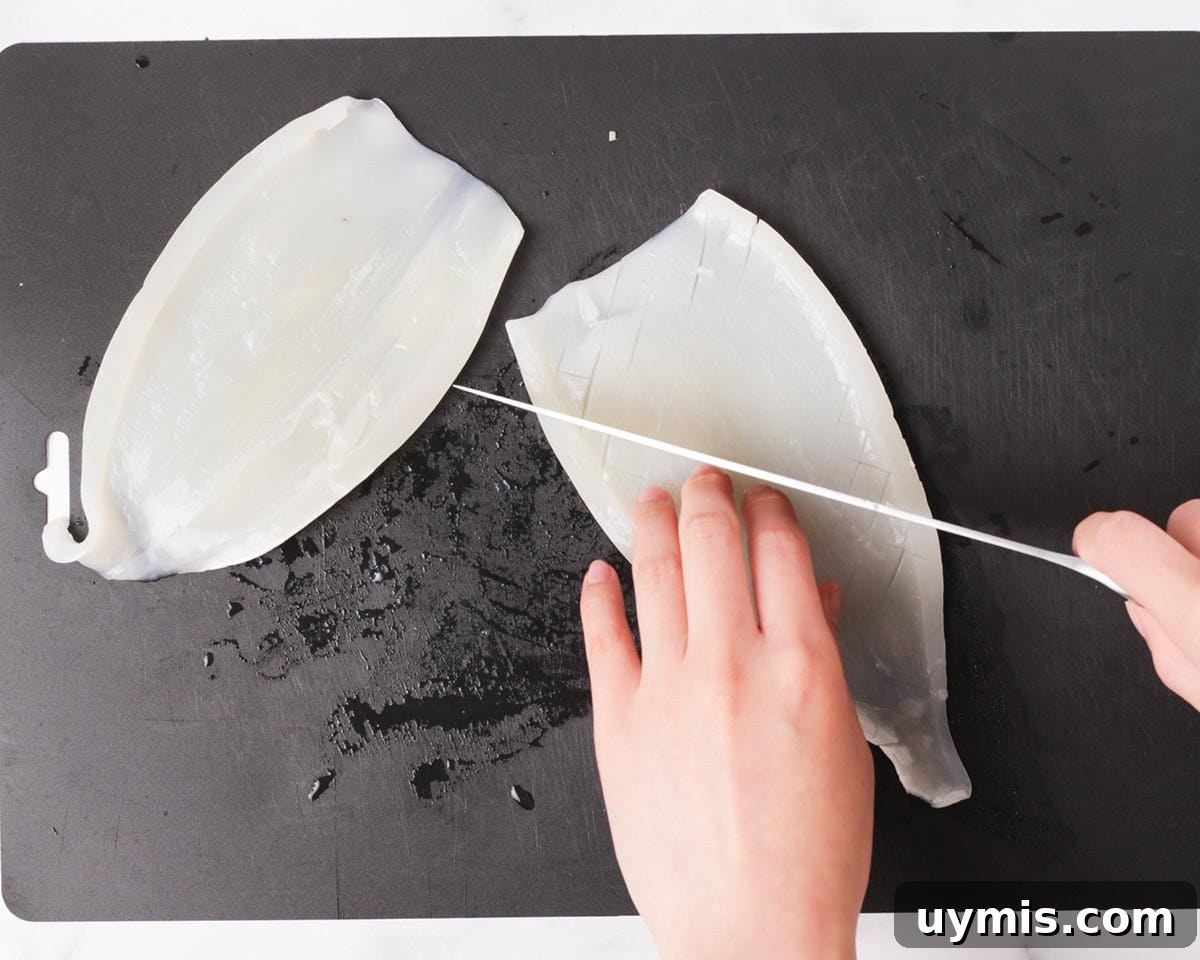
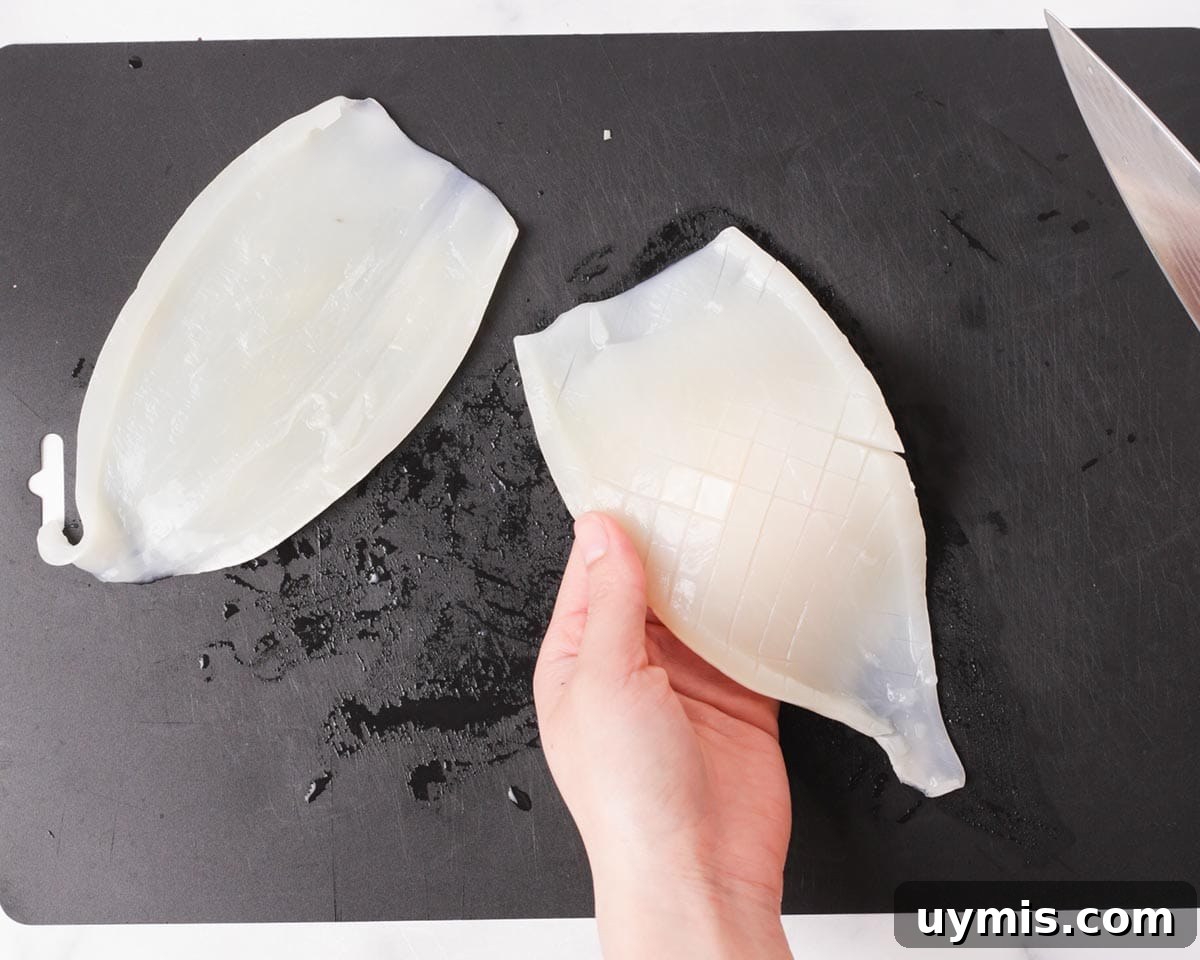
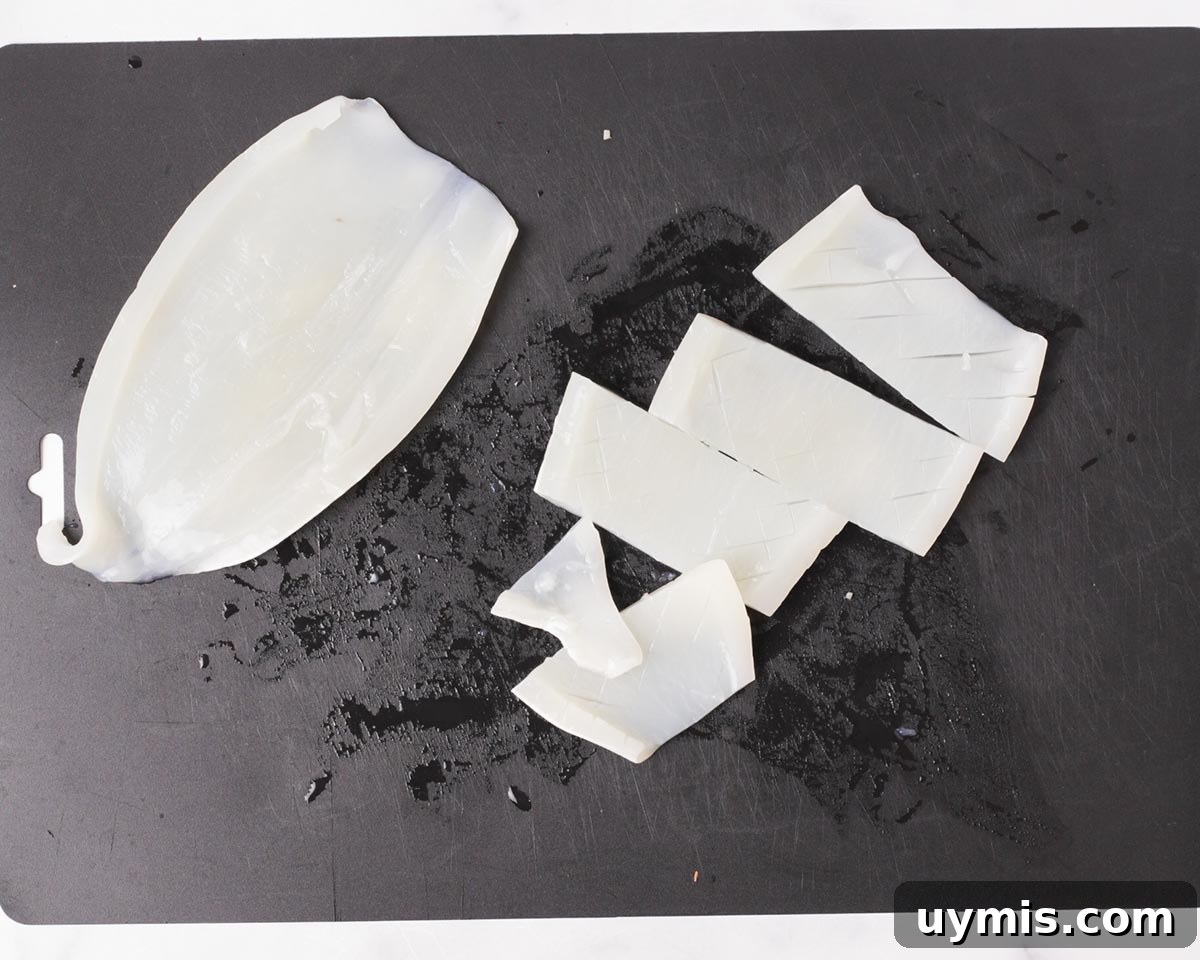
3. Prepare the squid. Slice the squid tube in half lengthwise. Place the soft inside facing up, then score shallow diagonal cuts across the surface in a diamond pattern. Do not cut all the way through. Slice into 1-inch strips or your preferred size.
Prepare the sauce:
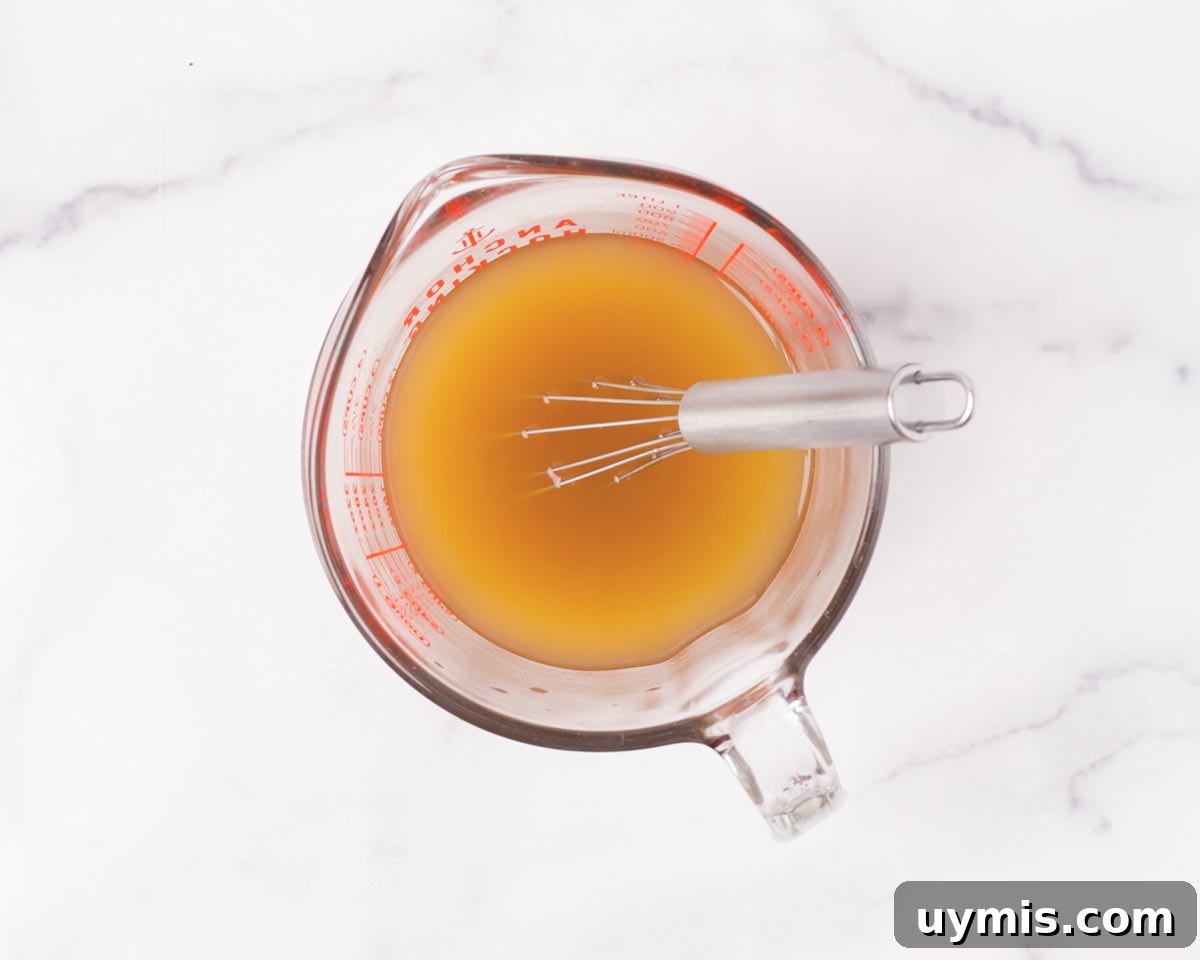
Whisk together the water or unsalted chicken stock, oyster sauce, chicken bouillon powder, sugar, and cornstarch until smooth. Make sure there are no visible clumps, then set the sauce aside.
Make the dish:
1. Blanch the vegetables. Bring a pot of water to a boil. Add the vegetables according to how firm they are, starting with the heartiest vegetables first. Drain well and reserve the water for blanching the proteins.
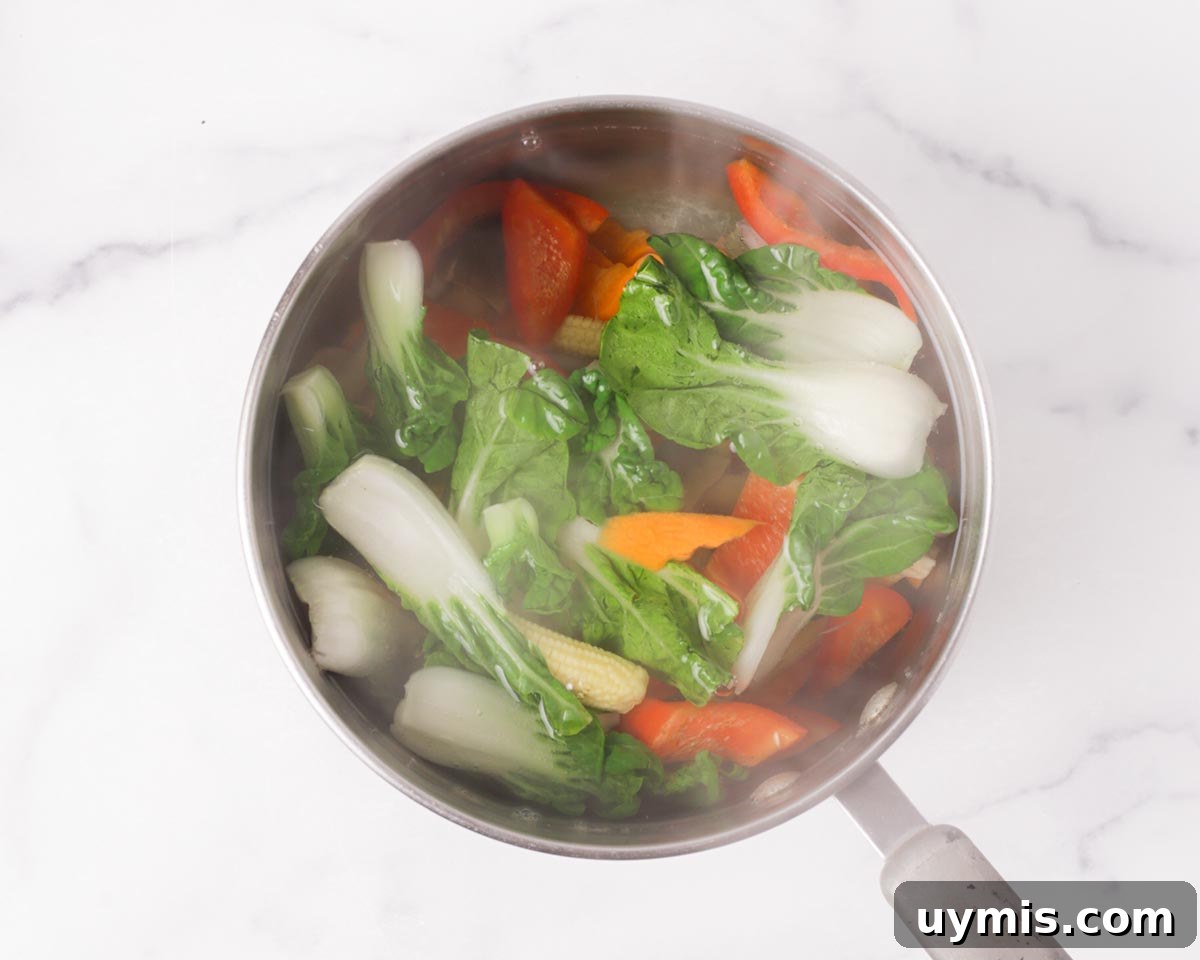
🌟 Pro tip: For bok choy, carrots, bell pepper, straw mushrooms, and baby corn, add the carrots first. After a few seconds, add the bok choy and bell pepper. Add canned straw mushrooms and baby corn last because they are already cooked.
2. Blanch the proteins. Bring the same pot of water back to a boil. Add the shrimp and stir immediately to separate them. After about 15 seconds, or when the shrimp turn pink, add the chicken or beef and stir again. Cook just until done, about 15 to 30 seconds depending on thickness.
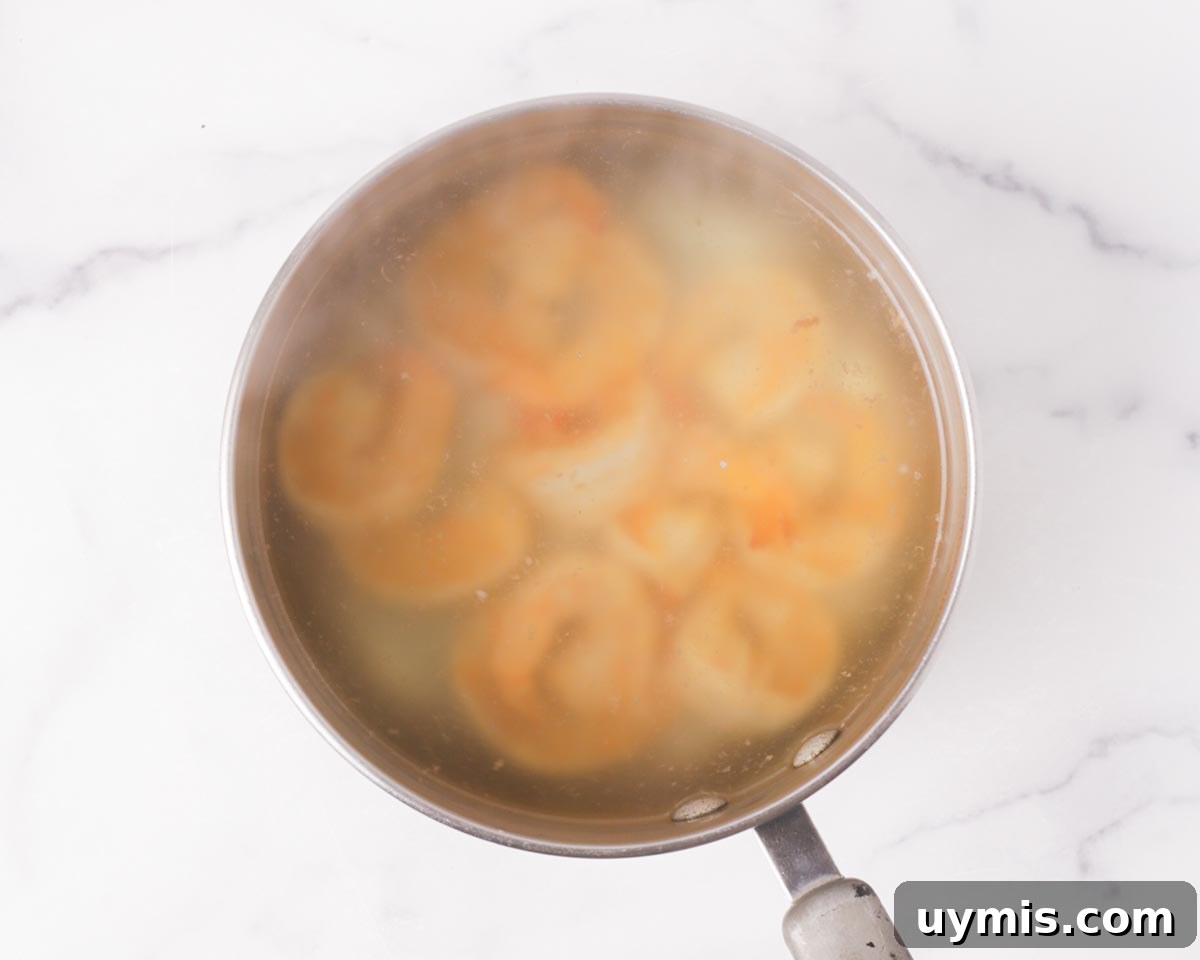
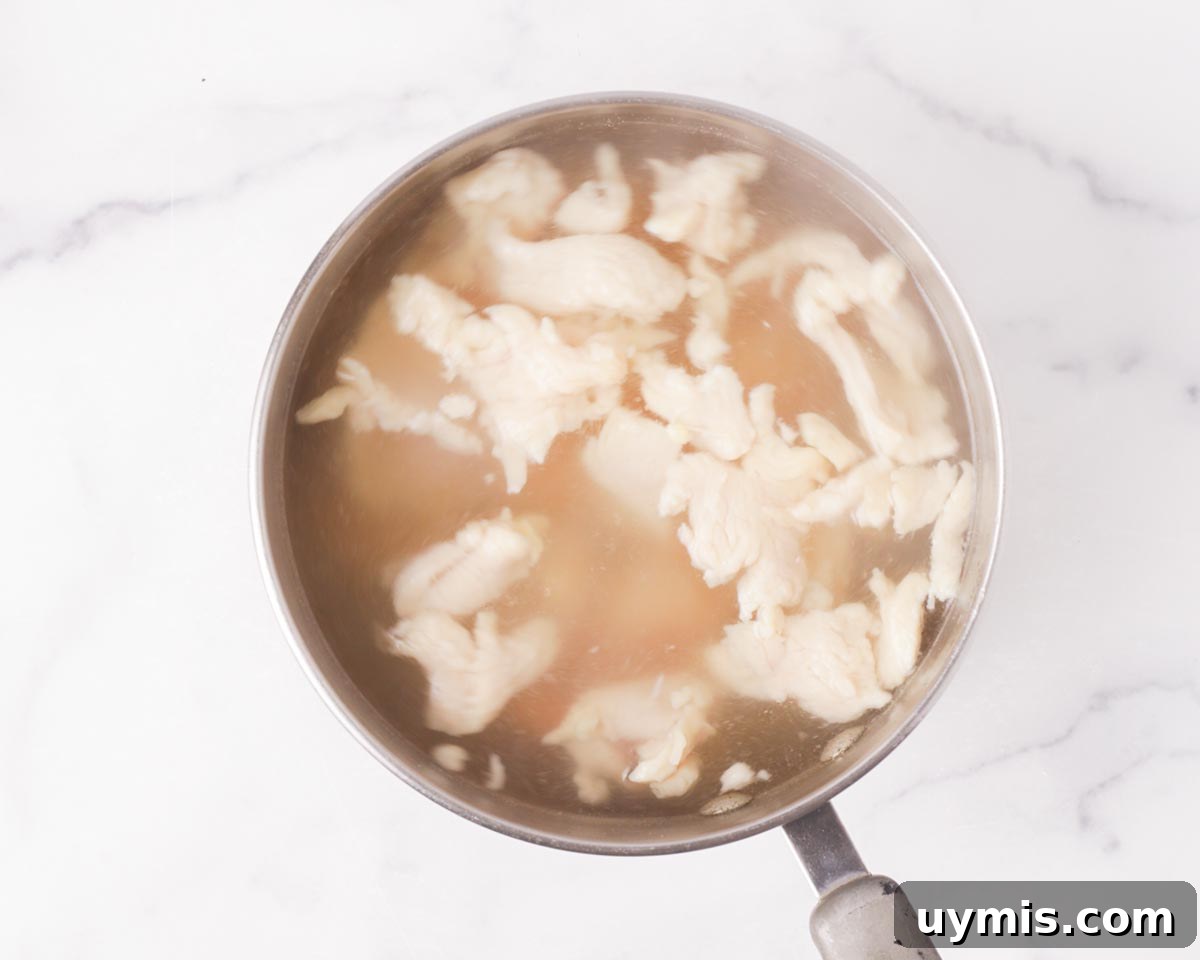
Add the squid last and cook for only 5 to 10 seconds, just until it curls. Drain the proteins immediately.
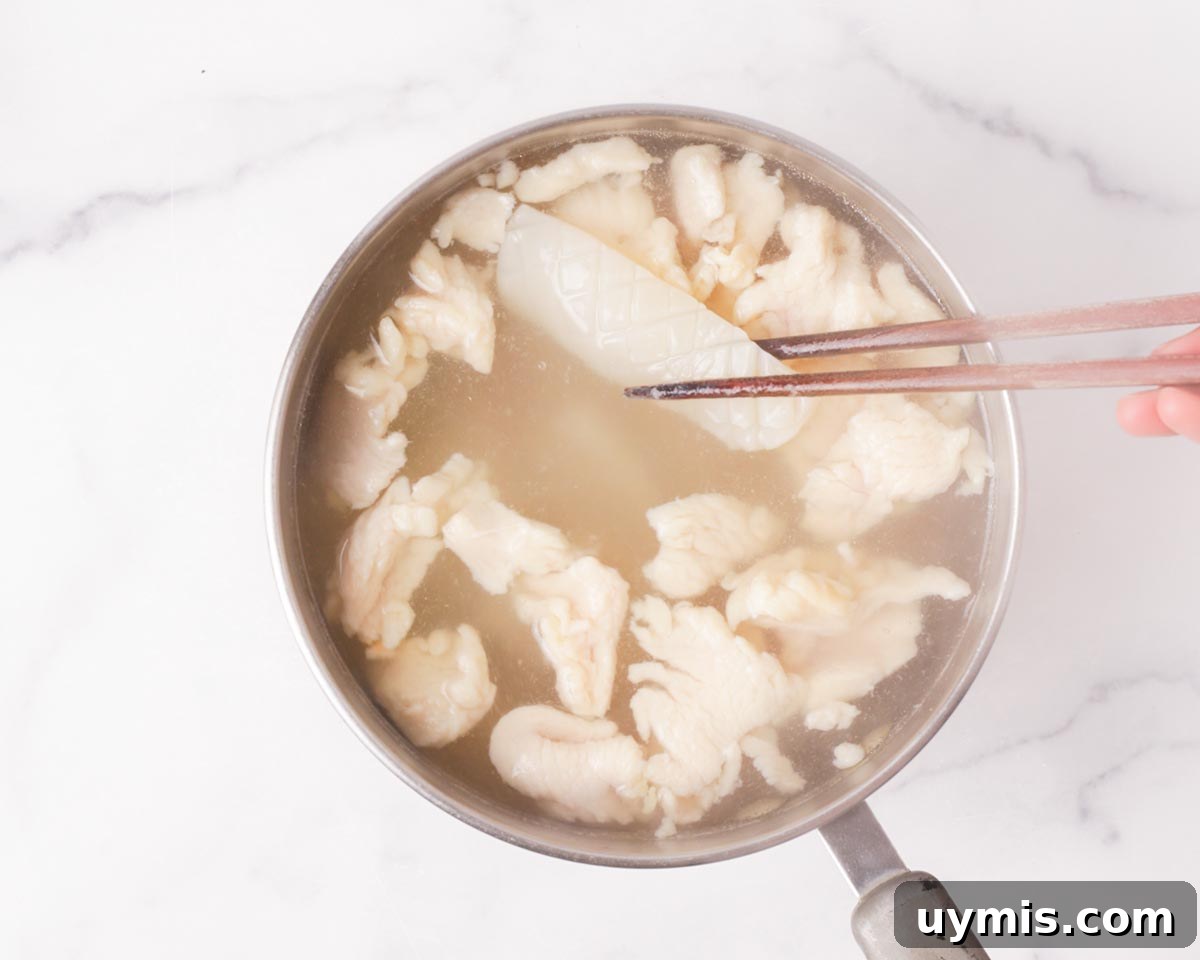
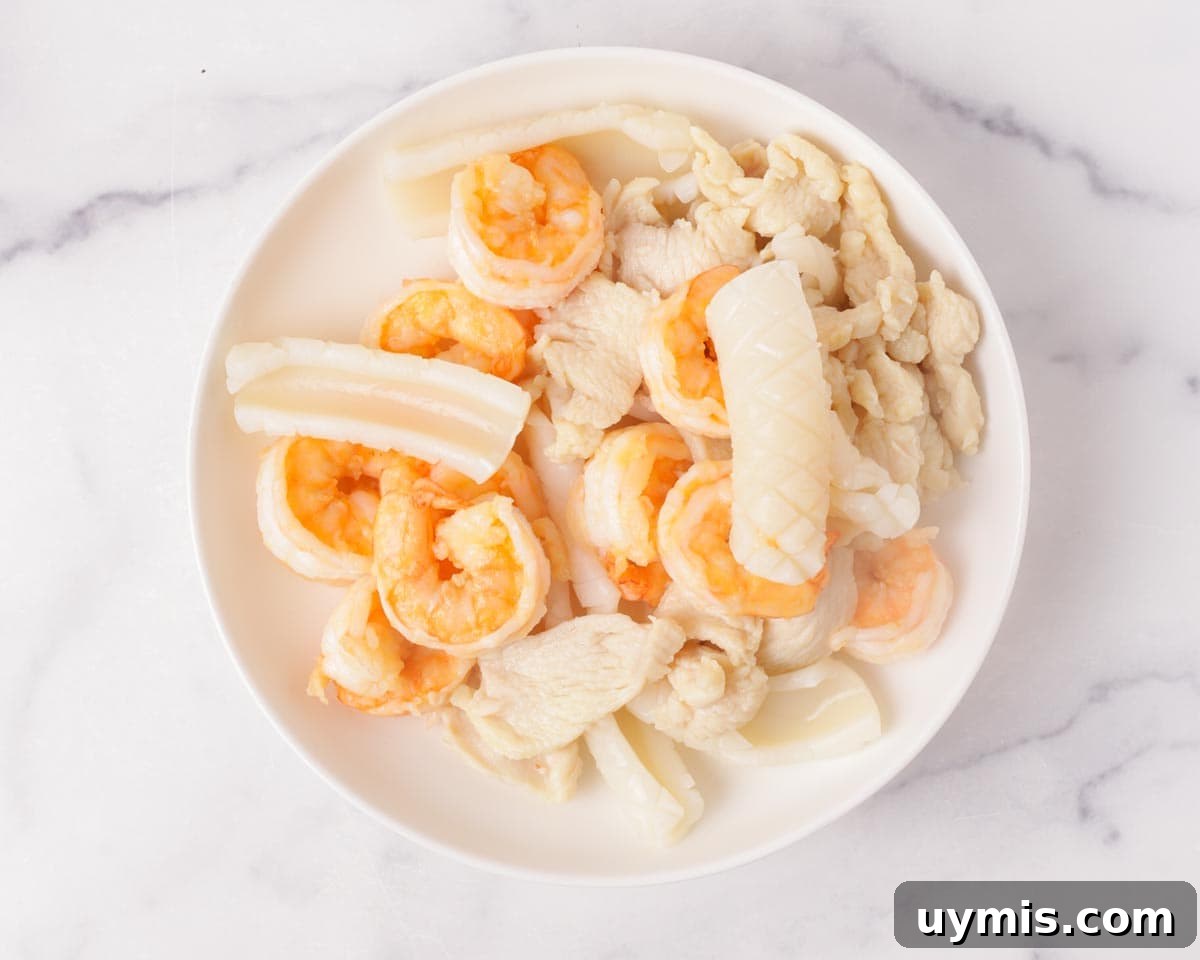
🌟 Pro tip: Chicken turns white when cooked, and beef turns brown. If needed, briefly remove the pot from the heat and check a piece. Cooking time depends on how thickly the meat is sliced.
3. Make the sauce. Heat oil in a wok or large pan over medium heat. Sauté the garlic until fragrant. Stir the prepared sauce again, pour it into the pan, and simmer until thickened, stirring often.
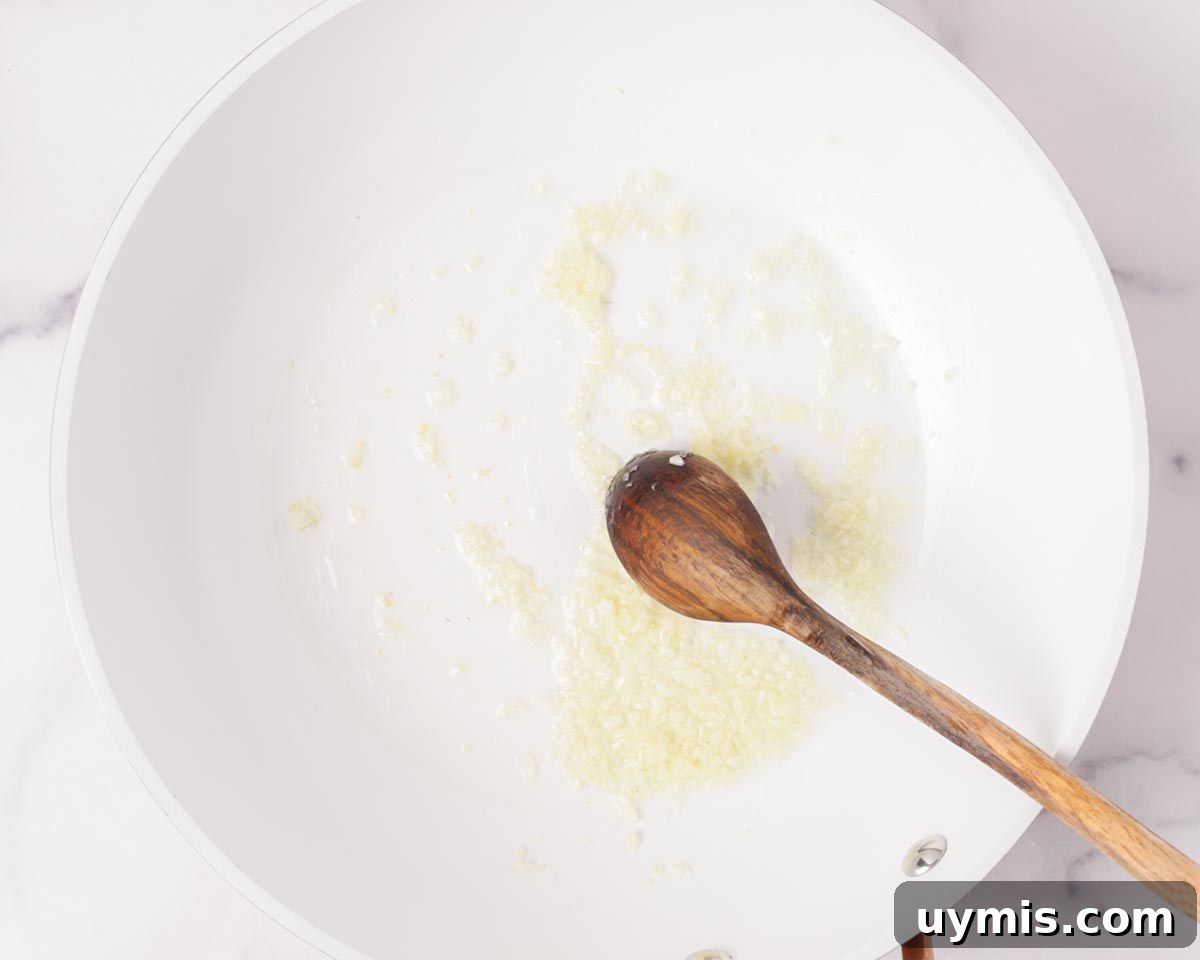
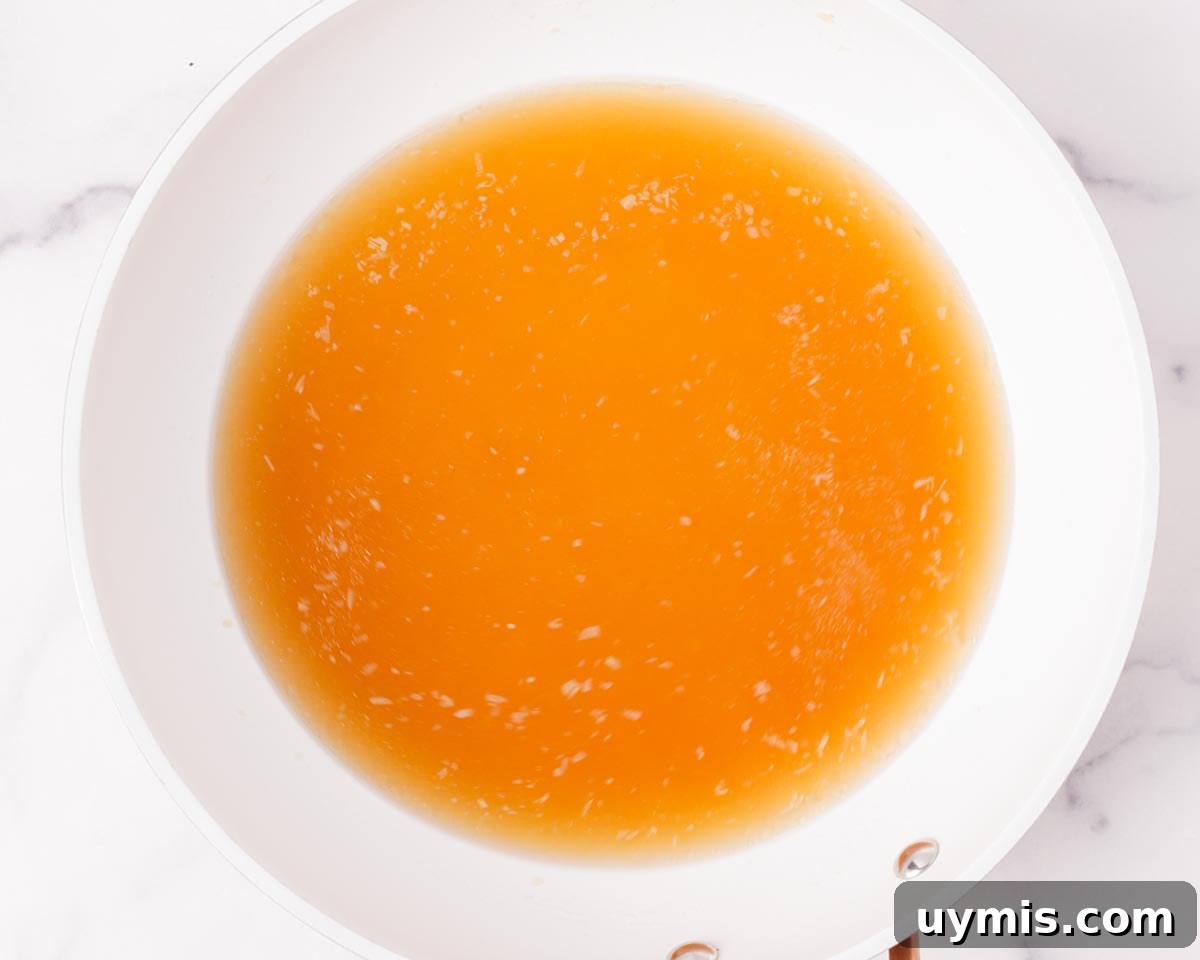
4. Finish the stir fry. Add the blanched vegetables and proteins to the thickened sauce. Stir gently until everything is coated and warmed through. Drizzle in the sesame oil and mix well.
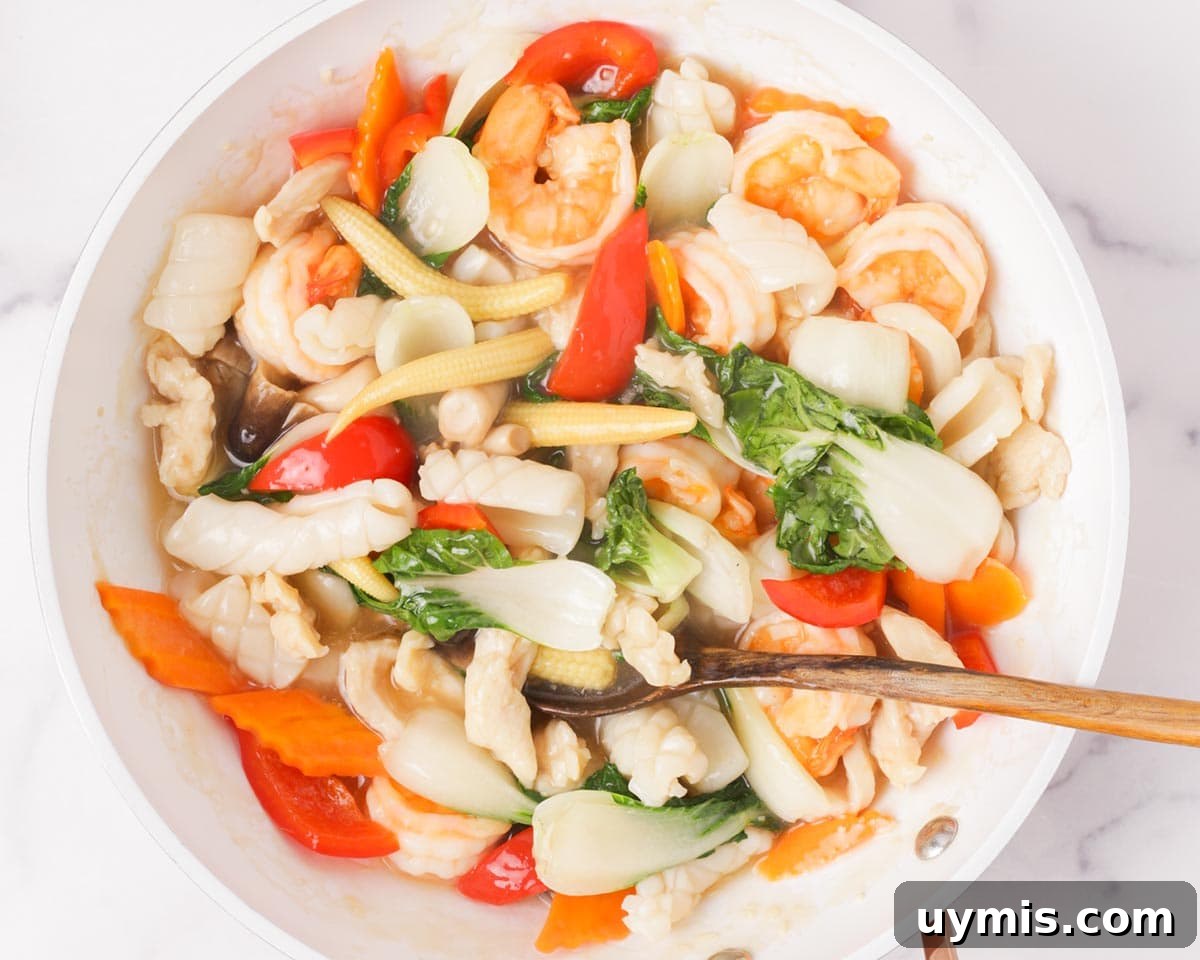
5. Assemble. Place the crispy noodle nests on serving plates. Spoon the saucy stir fry over the noodles and serve right away.
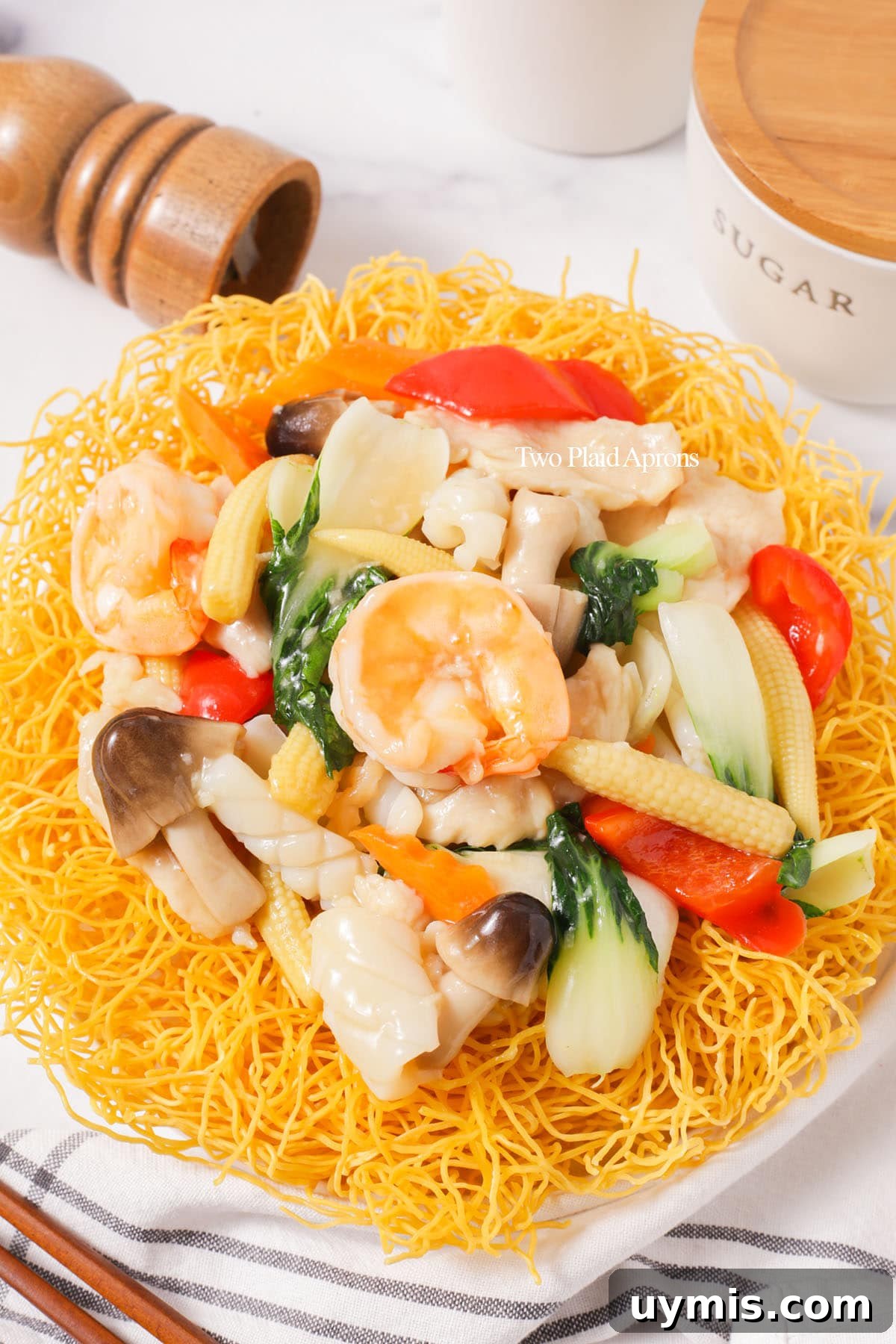
How to fry crispy noodles for mi xao gion
1. Prepare your tools. Have a paper towel-lined tray, tongs, chopsticks, a spider strainer, and a kitchen thermometer ready before frying.
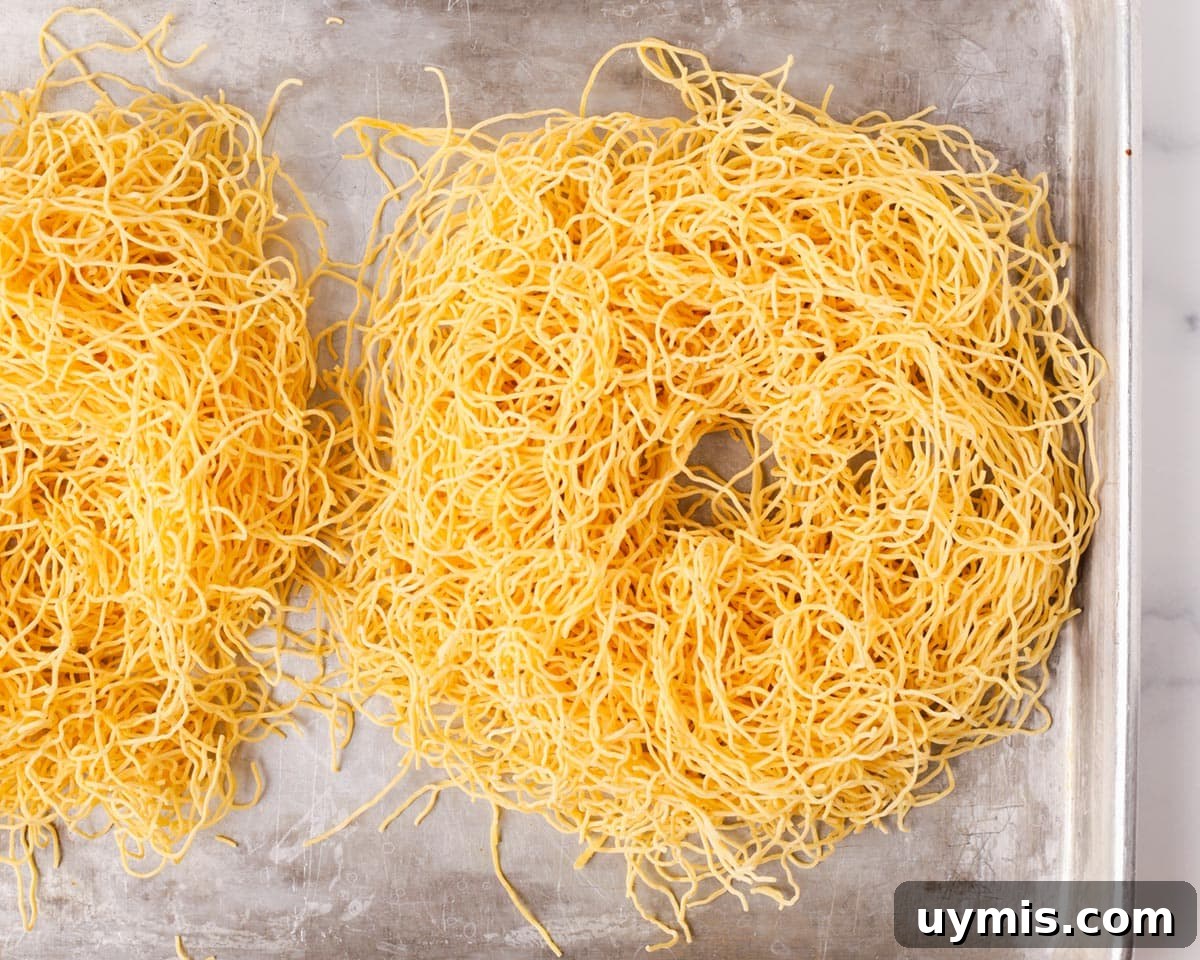
2. Portion the noodles. Divide the fresh egg noodles into two portions, or into smaller portions for individual servings.
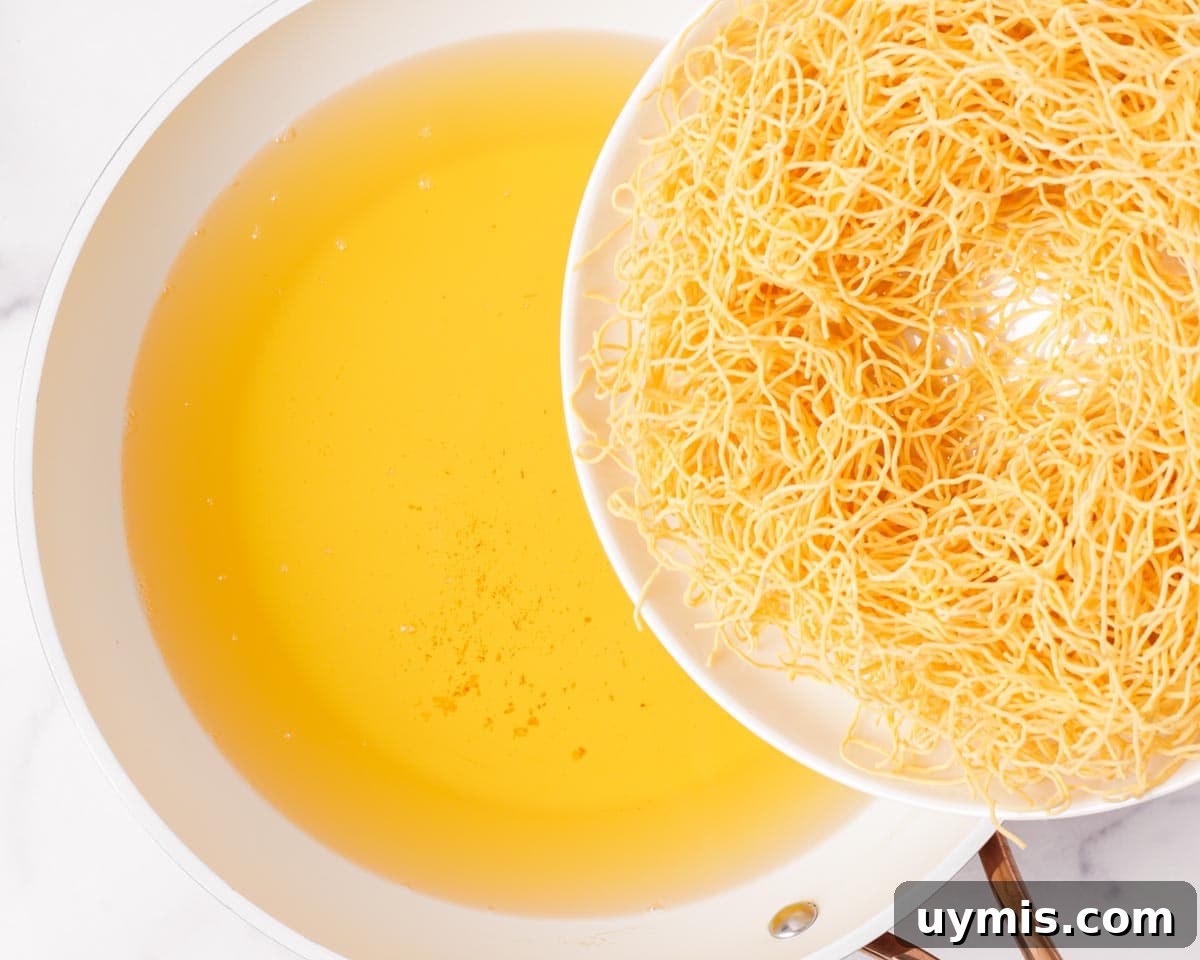
3. Heat the oil. Heat the oil to 375°F and keep it between 370°F and 380°F while frying.
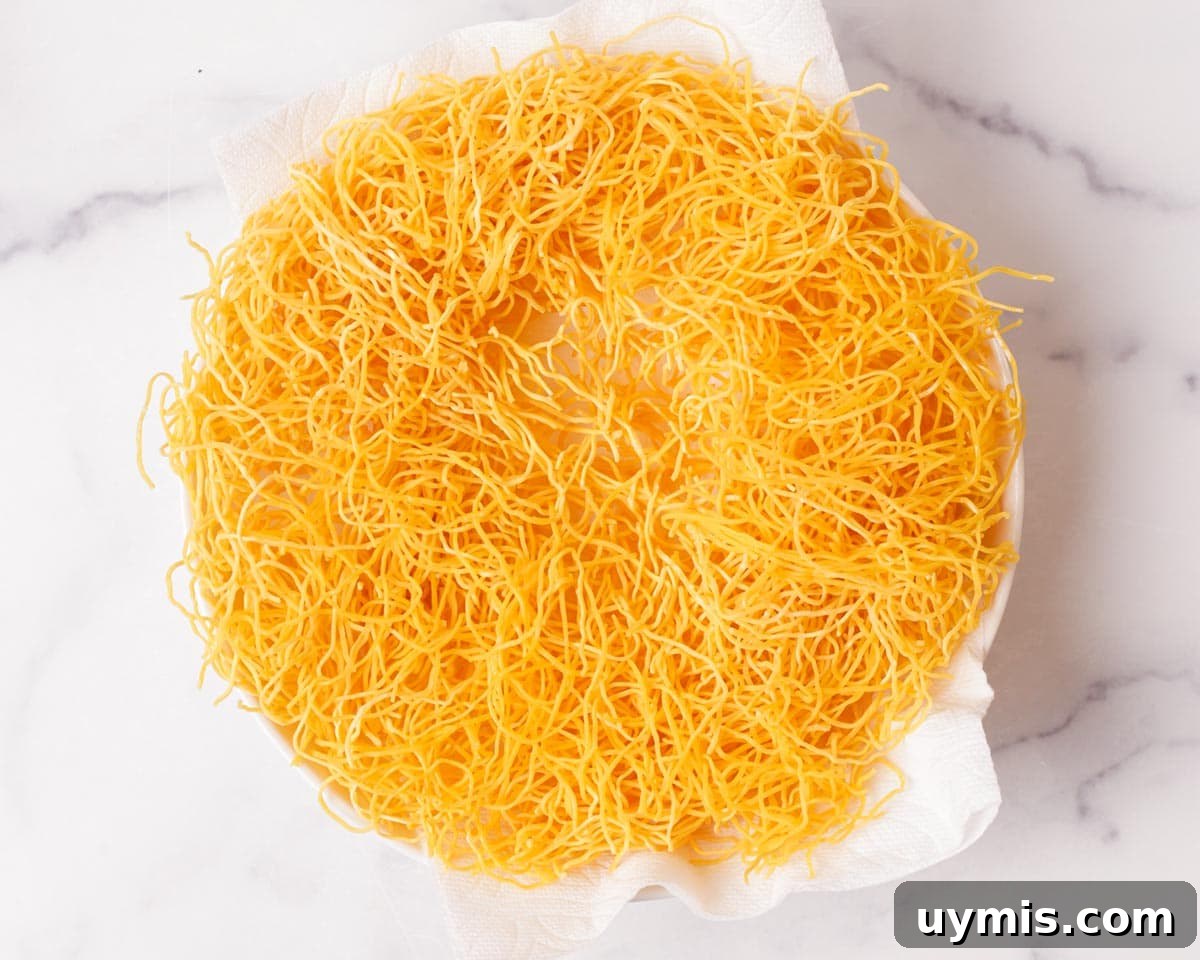
4. Fry the noodles. Carefully add one portion of noodles to the hot oil. Fry until golden, crisp, and slightly puffed, about 30 seconds to 1 minute depending on noodle thickness. Flip if needed, then drain on paper towels.
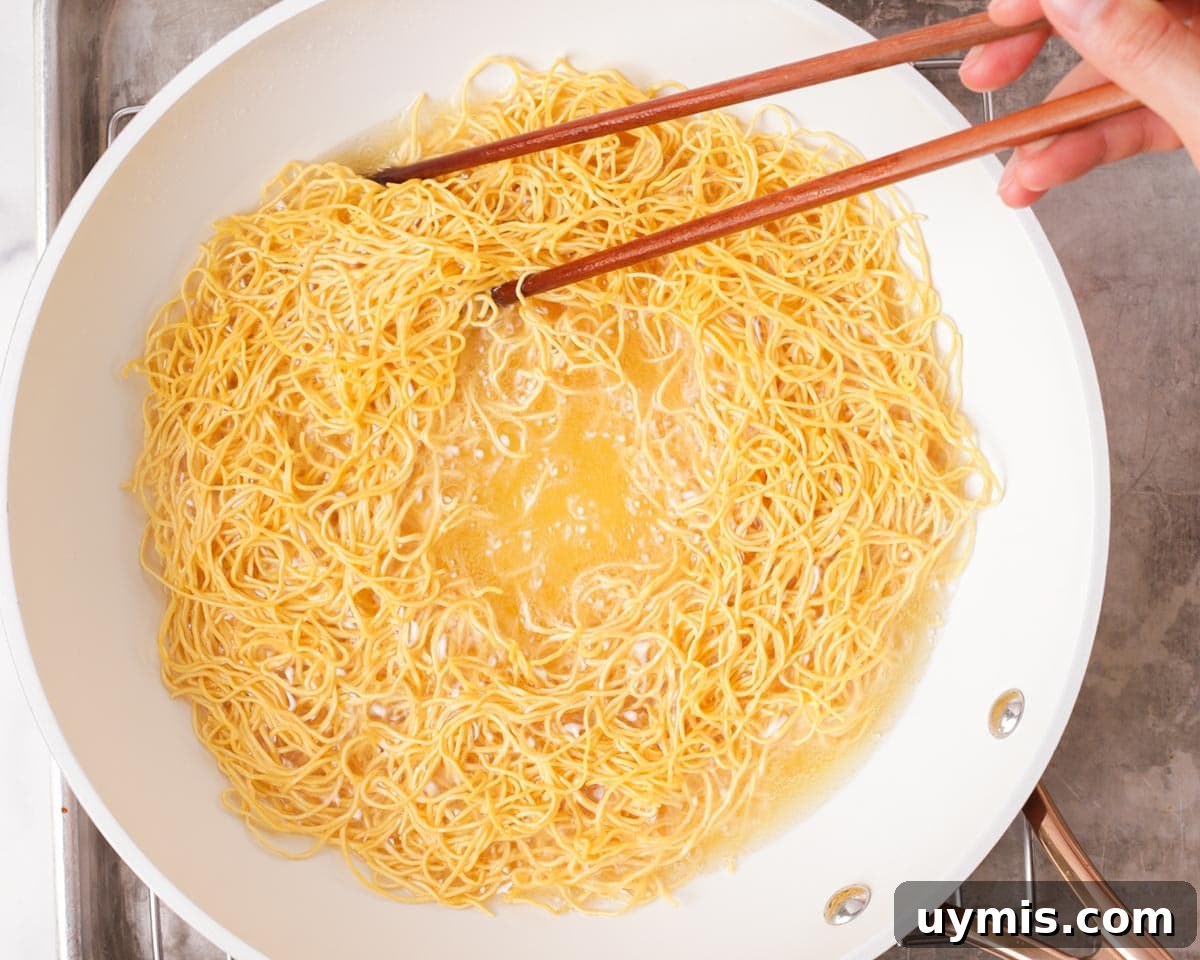
🌟 Pro tip: For a more defined nest shape, use chopsticks or tongs to gently open the center while the noodles first begin to fry. Work quickly, because once the noodles become crisp, they cannot be shaped easily.
Best noodles for mi xao gion
Mi xao gion is usually made with egg noodles, especially thin egg noodles or chow mein noodles. Egg noodles have a yellow color that becomes even more golden after frying.
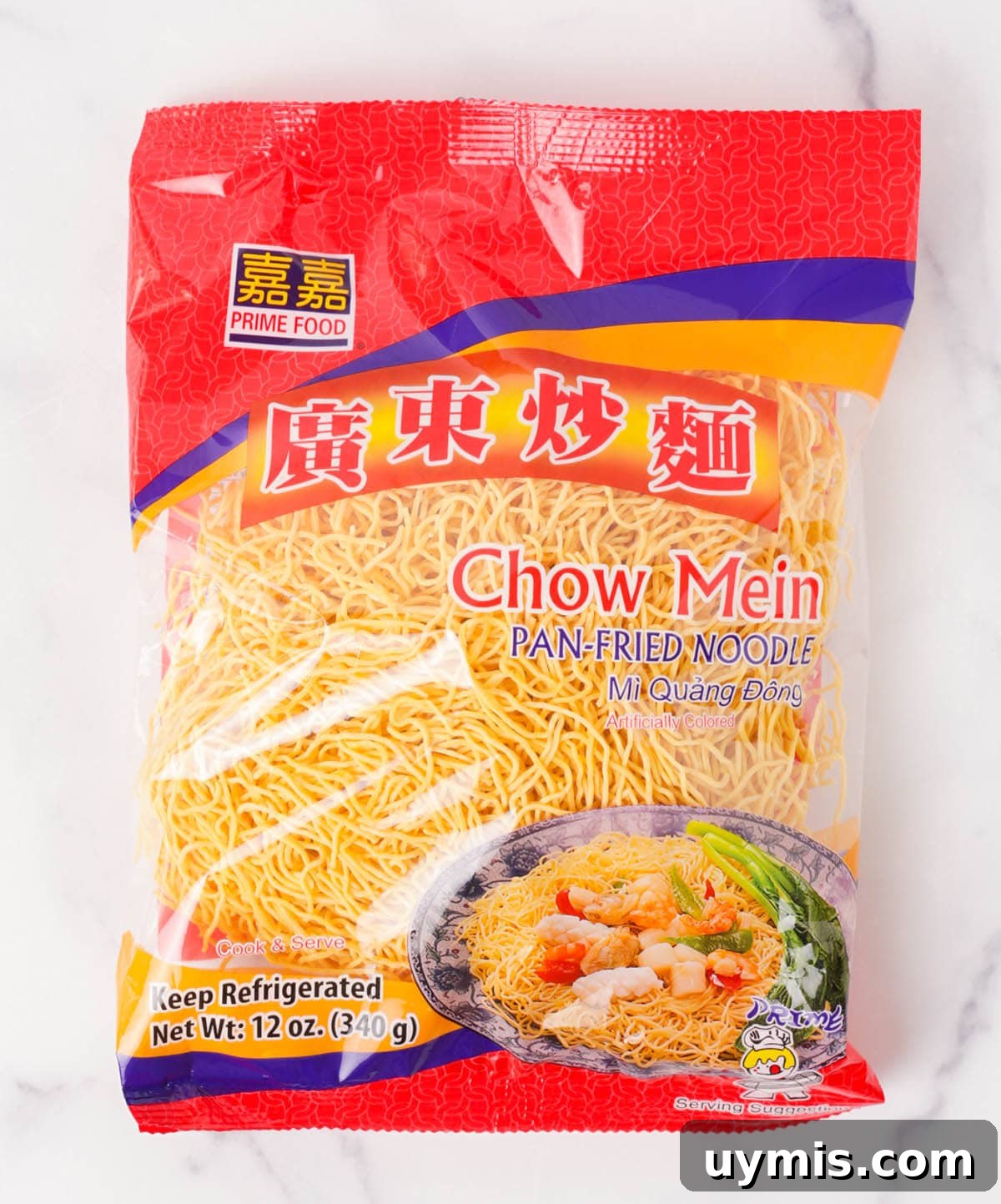
Fresh egg noodles are the easiest to use because they can be fried directly. Dry egg noodles need to be par-boiled first, then dried before frying. Par-boiling rehydrates the noodles so they fry with a better texture, while drying helps reduce oil splatter.
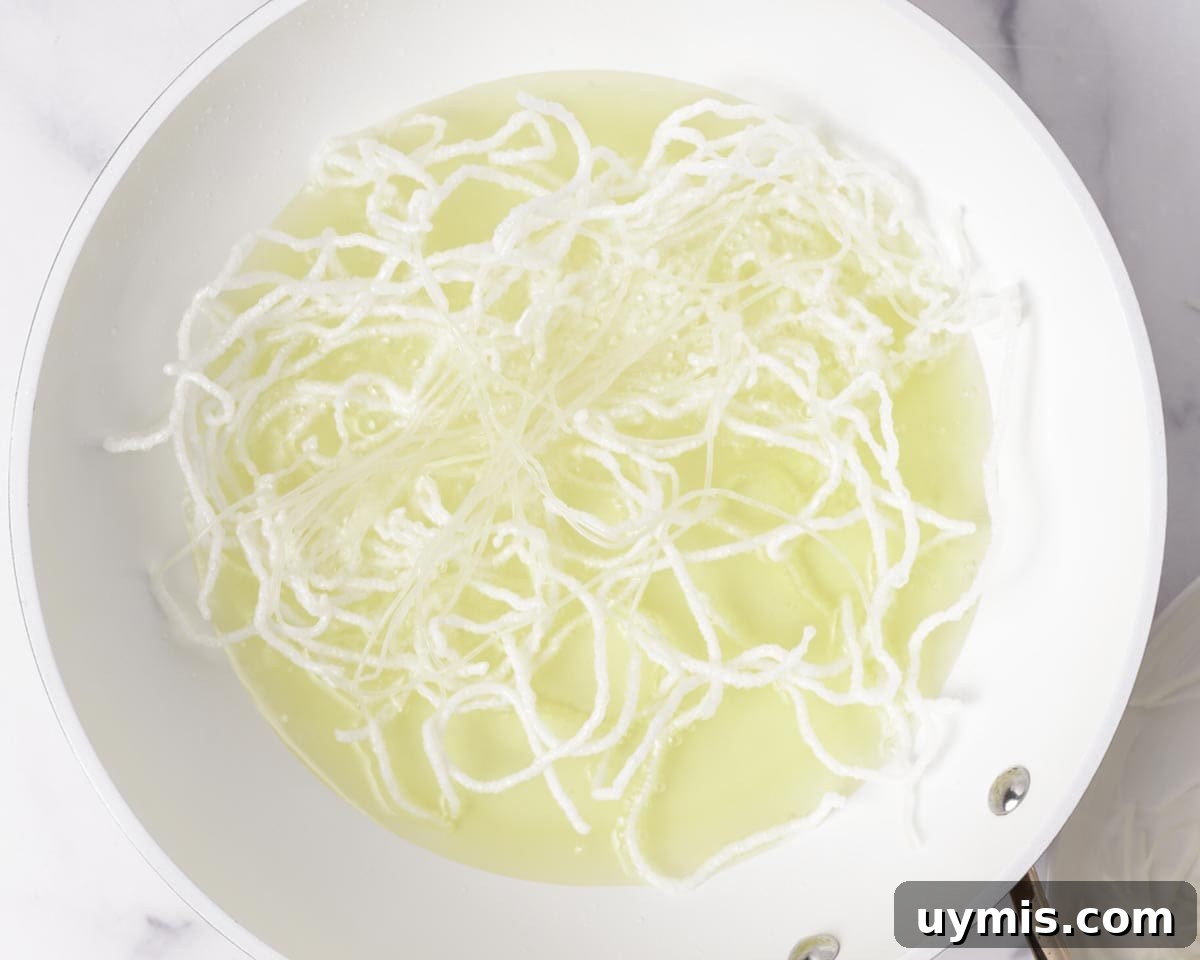
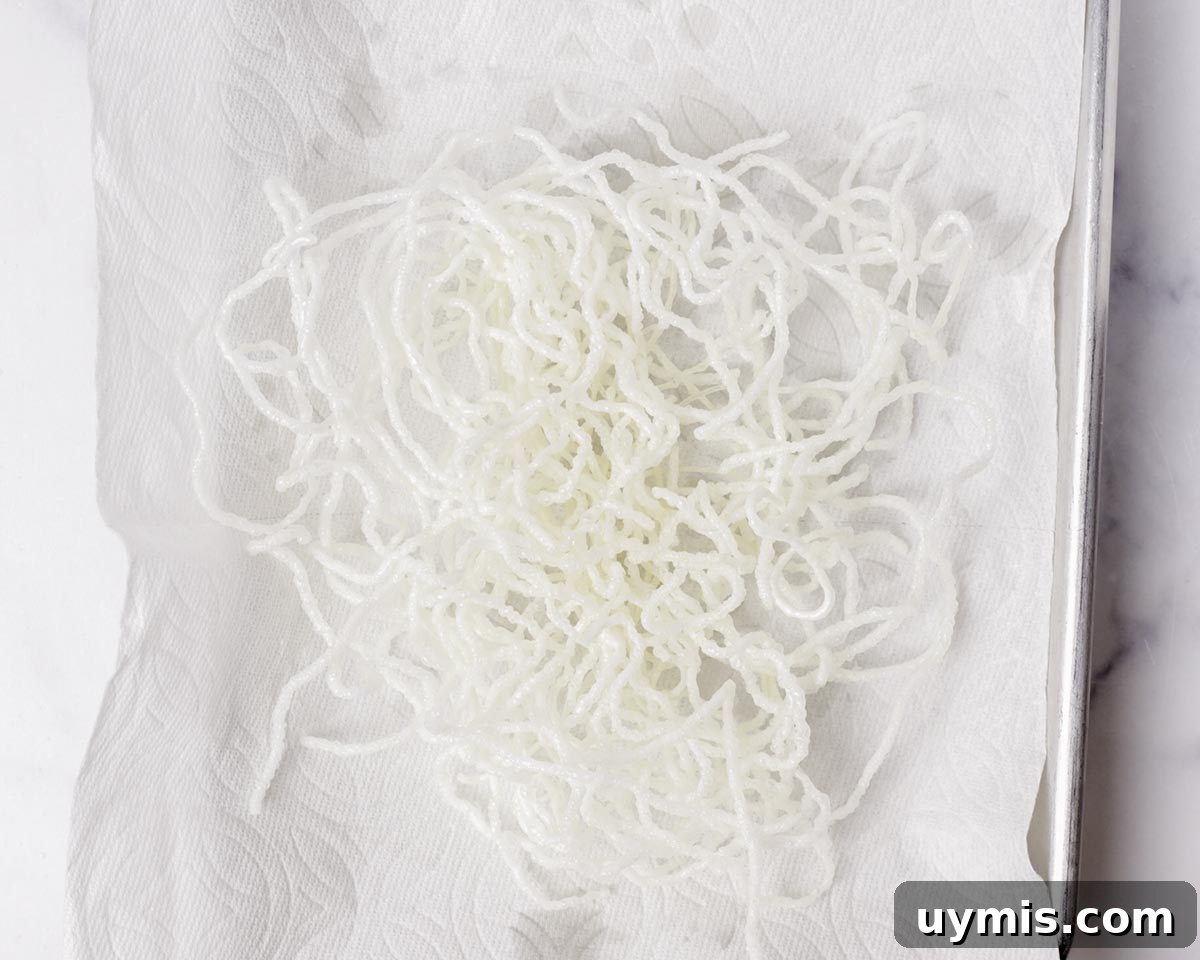
Rice vermicelli can be used as an alternative if you need a gluten-free noodle option. For the best texture, fry rice vermicelli dry. Keep in mind that rice vermicelli has a different flavor from egg noodles and softens more quickly once sauced.
Recipe tips
- Use caution when frying noodles. The oil may foam and rise when the noodles are added. Use a wok or deep pot with plenty of clearance, and do not overfill it with oil.
- Do not overcook the proteins or vegetables. Overcooked proteins can become tough, while vegetables lose their bright color and fresh texture.
- Add squid last. Squid cooks in seconds. If cooked too long, it becomes rubbery.
Storage and reheating
Unused crispy fried noodle nests can be stored in reusable gallon bags at room temperature for up to 1 week. Place paper towels between each nest to absorb excess oil and moisture, which helps keep them crisp longer.
If the stir fry has already been mixed with the crispy noodles, let everything cool completely before storing it in the refrigerator for up to 3 days. Reheat in a microwave-safe container until hot, or warm it in a pan over medium heat.
Leftover noodles that have already absorbed sauce will not become crispy again, and the sauce may loosen slightly after storage.
FAQ
Dry sherry is the best substitute for Shaoxing rice wine. If you need a non-alcoholic option, use water instead.
Potato starch can be used in place of cornstarch for both the marinade and the sauce.
Yes. Sesame oil adds a light toasted flavor, but the dish will still work without it.
Yes. Use rice vermicelli instead of egg noodles, replace Shaoxing rice wine with dry sherry or water, and choose a gluten-free oyster sauce.
📖 Recipe
Mi Xao Gion (Crispy Noodle Stir Fry)
Ingredients
For marinating chicken or beef:
- 6 ounces skinless boneless chicken breast, cut into ¼-inch slices, or beef
- 1 tablespoon water
- 1 teaspoon Shaoxing rice wine, optional
- ¼ teaspoon salt
- ⅛ teaspoon baking soda
- 2 teaspoons cornstarch
- 1 teaspoon neutral oil
For marinating shrimp:
- 8 ounces large shrimp, peeled and deveined
- 1 teaspoon Shaoxing rice wine, optional
- ¼ teaspoon salt
- 2 teaspoons cornstarch
- 1 teaspoon oil
For the rest of the dish:
- 16 ounces vegetables of your choice, cut to desired size
- 12 ounces fresh egg noodles, such as chow mein noodles
- 6 ounces squid, thawed
- 1 tablespoon minced garlic, about 3 cloves
- 1 teaspoon toasted sesame oil, optional but recommended
- 1 tablespoon oil, plus more for frying
For the sauce:
- 4 cups water or unsalted chicken stock
- 4 tablespoons oyster sauce
- 4 teaspoons chicken bouillon powder
- 1 teaspoon granulated sugar
- 4 tablespoons cornstarch
Instructions
Prepare the proteins:
- If using chicken or beef: Place the sliced meat in a bowl. Add water, Shaoxing rice wine, salt, and baking soda. Mix until the meat absorbs most of the liquid. Add cornstarch and mix until coated, then stir in the oil. Set aside.
- If using shrimp: Mix the shrimp with Shaoxing rice wine and salt. Add cornstarch and toss until evenly coated. Stir in the oil and set aside.
- If using squid: Split the squid tube in half lengthwise. With the soft inside facing up, make shallow diagonal cuts across the surface without cutting through. Slice into 1-inch strips and set aside.
Make the crispy noodles:
- Add ½ inch to 1 inch of oil to a wok or deep pot. Heat to 375°F and keep the oil between 370°F and 380°F. Prepare a paper towel-lined tray.
- Divide the noodles into 2 portions, or more for smaller noodle nests.
- Carefully place one portion of noodles into the hot oil. Fry for 30 seconds to 1 minute, or until crisp, lightly puffed, and golden. Shape the center with chopsticks or tongs if desired. Flip if needed, then drain on paper towels. Repeat with the remaining noodles.
Prepare the sauce:
- Whisk the water or stock, oyster sauce, chicken bouillon powder, sugar, and cornstarch until smooth. Set aside.
Make mi xao gion:
- Blanch the vegetables: Bring a pot of water to a boil. Add vegetables according to firmness, starting with the hardest vegetables first. Cook briefly, then drain well and set aside.
- Blanch the proteins: Bring the water back to a boil. Add shrimp and stir to separate. When the shrimp turn pink, add the chicken or beef and stir again. Cook briefly until just done.
- Add the squid last and cook for 5 to 10 seconds, just until it curls. Drain all proteins immediately.
- Make the sauce: Heat 1 tablespoon oil in a wok or large pan over medium heat. Add garlic and sauté until fragrant. Stir the sauce mixture again and pour it into the pan. Simmer until thickened and glossy.
- Finish: Add the blanched proteins and vegetables to the sauce. Stir until everything is coated and hot. Drizzle in sesame oil, mix well, and remove from heat.
- Assemble: Place the crispy fried noodles on serving plates and top with the saucy stir fry. Serve immediately for the crispiest texture, or let the noodles absorb the sauce for a softer, chewy bite.
Notes
- Beef – Flank steak, eye round, chuck roast, and skirt steak are good options. Slice into ¼-inch pieces and marinate the same way as chicken. If using both chicken and beef, use 6 ounces total unless increasing the marinade.
- Shrimp – Any size shrimp can be used, but cooking time will vary depending on size.
- Vegetables – Bok choy, carrots, red bell pepper, straw mushrooms, and baby corn work well. Add firmer vegetables first and canned vegetables last.
- Noodles – Fresh egg noodles, thin egg noodles, chow mein noodles, or thin lo mein noodles can be used. Frying time depends on noodle thickness.
Equipment Recommended
- Measuring spoons
- Kitchen thermometer
- Spider strainer
- Flat-bottom wok or large deep pan