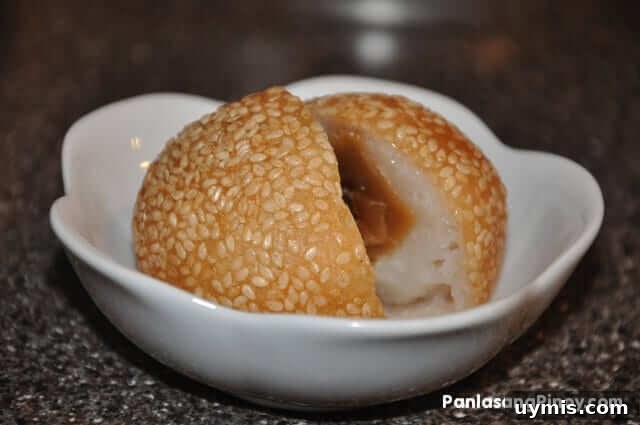
Time to Satisfy Your Buchi Cravings
A week ago I found myself craving buchi so badly I had to make them. I tried to prepare my own at home but ran out of sweet rice flour, which left me longing for those crispy, sesame-coated rice balls for days. Once I picked up the right flour from the Asian grocery, I made buchi again—and this time I focused on a few key techniques that made a noticeable difference.
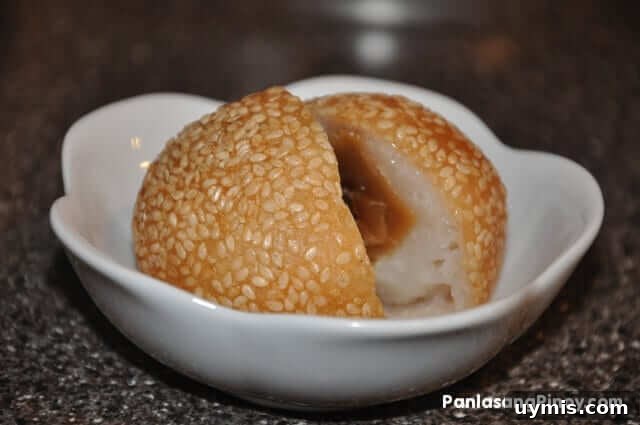
Buchi are beloved for their contrast in texture: a golden, crunchy exterior and a soft, chewy interior. Many people also enjoy a sweet filling and a coating of sesame seeds. Making them well is deceptively simple—watching a video can help, but there are a few practical details that really affect the result.
Why Peanut Oil Works Best for Frying
One of the best tips I can share is to use peanut oil for frying. Peanut oil has a higher smoke point than many common cooking oils, which means it tolerates sustained heat without burning quickly. That stability makes it easier to maintain an even frying temperature, so the buchi brown evenly without the exterior burning before the inside cooks through.
Peanut oil also has a neutral, slightly nutty flavor that complements fried dough and sesame seeds without overpowering them. If peanut oil is unavailable, choose another oil with a relatively high smoke point, and avoid low-smoke-point oils that can break down and create off flavors when heated for frying.
Practical Tips for Better Buchi
These practical tips helped me improve the appearance and texture of my buchi over several attempts:
- Use the correct flour: Sweet rice flour (glutinous rice flour) gives buchi their characteristic chewiness. Regular rice flour does not produce the same texture.
- Mind the dough consistency: The dough should be pliable but not sticky. If it’s too dry, the balls can crack during frying; too wet and they can lose shape.
- Seal fillings well: If you add a sweet paste filling, seal the edges completely so the filling stays inside during frying.
- Heat the oil properly: Heat the oil until it reaches the right frying temperature—hot enough to brown the exterior quickly but not so hot that the outside burns before the interior cooks.
- Fry in small batches: Crowding the pan lowers oil temperature and yields unevenly fried buchi. Fry a few at a time for consistent color and texture.
- Drain and rest briefly: Drain on paper towels or a wire rack to remove excess oil, then let the buchi rest a minute to set the crust before serving.
Practice Makes Progress
If you enjoy a particular dish, cooking it regularly is one of the best ways to get better. My first attempts at buchi were decent, but repeating the process has helped me refine the dough, improve shaping, and get a more even golden color. Each batch taught me something small—temperature control, how long to fry, and how to handle the dough without overworking it.
Some people take formal classes to improve in the kitchen, but passion and repetition can teach you a lot. Follow recipes you love, observe the details, and adjust as you go. That way you’ll be able to satisfy cravings anytime without relying on takeout.
Final Thoughts
Buchi are a rewarding treat to make at home once you get the basics right. Using sweet rice flour, maintaining the right dough consistency, and frying in hot peanut oil are simple but powerful steps toward a crisp exterior and a chewy interior. With a bit of practice and attention to these details, you’ll be enjoying better homemade buchi in no time.