Benefits of Gardening
Now is the time to plan your garden and order seeds. Before getting into specifics, consider the many benefits of growing your own food: superior nutrition, greater variety, and exceptional flavor. Vegetables, herbs, fruits, and berries harvested at peak ripeness deliver concentrated nutrients and unmatched taste. Growing organic produce at home also reduces grocery costs, especially when you preserve surplus for the off-season.
If you want your family to embrace plant-based foods, involve them in the garden. Gardening together is a rewarding way to spend time as a family—creating something delicious, beautiful, and memorable. Children and adults both enjoy digging in the soil, and hands-on participation helps young eaters appreciate and try the produce they helped grow. This exposure builds lasting preferences for fresh, whole foods.
Yes, gardening and preserving the harvest require work, but the payoff is clean, nutrient-dense food and exceptional flavor. Homegrown produce generally surpasses store-bought options unless you buy truly local, organic, and freshly harvested items. There’s also a special satisfaction in harvesting top-quality produce from your own patch.
Gardening benefits extend beyond food. Spending time outdoors is grounding—especially when barefoot—and sunlight helps the body produce vitamin D when enjoyed in moderation. Working in the soil is gentle exercise and the practice itself can be meditative, encouraging mindfulness, calm, and gratitude.
The Best Time to Buy Seeds
Even if it’s still chilly where you live, now is the moment to order seeds for the coming season unless you saved enough seed from last year. Seed companies often experience high demand in January, so if you haven’t ordered yet, do so soon to avoid missing preferred varieties.
We placed our main seed order a few weeks ago. Each year we order most of our seed from Fedco Seeds of Maine for their selection and reasonable pricing. We source starter potatoes from Fedco or other specialty suppliers and buy garlic from a local farmer when possible. Local festivals and growers are great places to find regionally adapted seed and planting stock.
Storing Seeds
When your seeds arrive, store them in a cool, dark, dry place—ideally around 40–50°F (4–10°C). Proper storage preserves viability, especially if you plan to use seeds over multiple seasons. Germination rates decline with age, but well-stored seed can often still perform in later years.
Benefits of Growing Starter Plants
Starting your own plants from seed is far more economical than buying transplants in spring. For large gardens, growing starters yourself is essential to keep costs manageable. Home-started plants also allow access to a wider range of varieties—especially heirlooms and organic cultivars—that garden centers may not carry.
When to Plant Starters
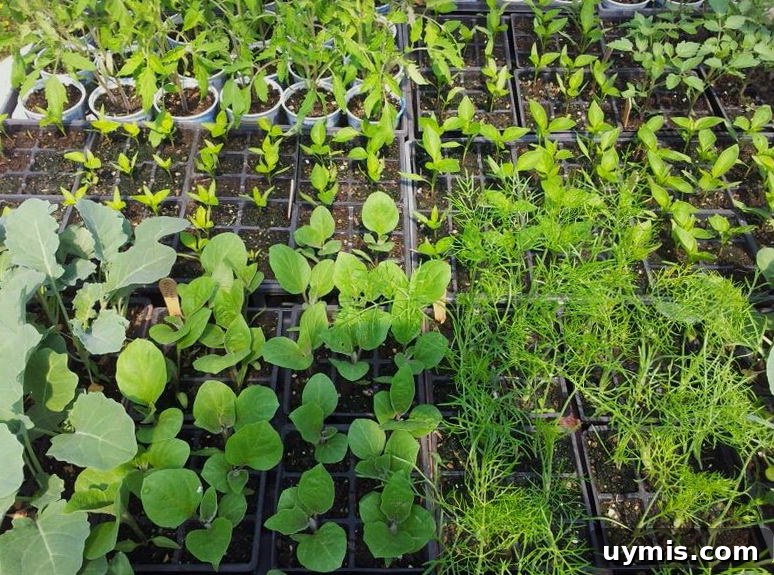
Check local frost dates to determine the appropriate transplant window. Your region’s average last frost date guides when to start seeds indoors so seedlings will be ready for the garden after danger of frost has passed. Plan for about 7–10 days for germination and roughly six weeks of growth indoors or in a protected location before transplanting.
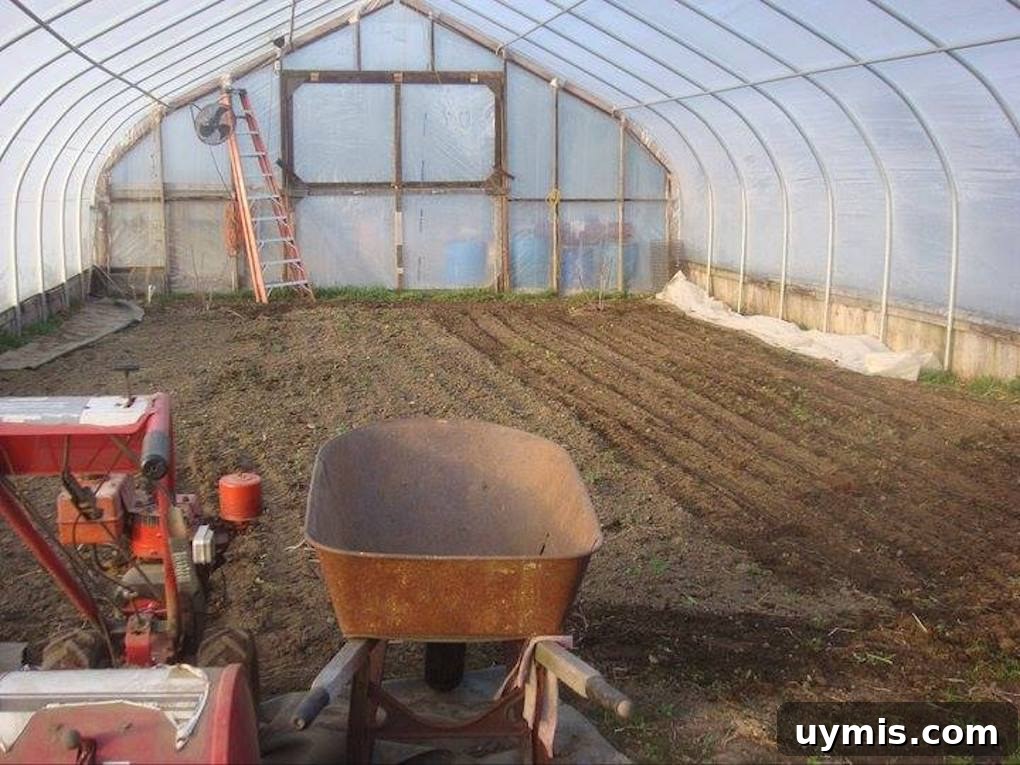
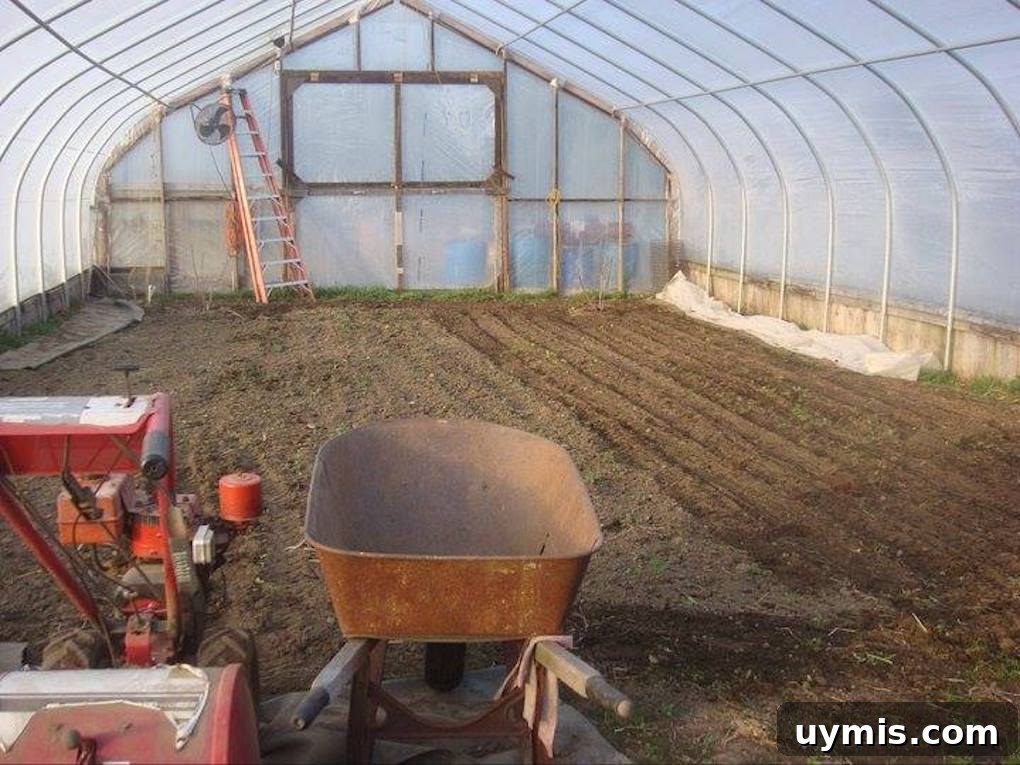
In our zone (5b) we start most starters between mid-March and early April. After sowing, we keep trays in our unheated greenhouse under row covers for extra protection. Because the greenhouse isn’t heated, we uncover plants on warm days to prevent overheating. When seedlings are roughly six weeks old and conditions allow, we transplant them into the garden.
If a greenhouse isn’t available, starter plants grow well indoors under quality grow lights; we’ve used basements and spare rooms successfully.
Do All Vegetables Need to Be Started Early?
Many crops are best sown directly outdoors once the soil warms. Warm-soil germinators include cucumbers, summer squashes, beans, many greens, and herbs. These can often be planted multiple times throughout the season to extend harvests, depending on your growing season length.
Leafy greens can be started indoors for an early harvest and also sown directly outdoors once spring arrives. They grow quickly and are ideal for successive planting from spring through fall. Plant them in cooler spots in mid-summer for better quality.
Carrots and many winter squashes are typically direct-sown. Carrots often benefit from fall cool-downs, becoming sweeter after the first frosts. Some gardeners leave carrots in the ground over winter under a row cover or mulch and harvest them as needed through the season. Parsley and other hardy herbs can similarly overwinter in sheltered spots in milder climates.
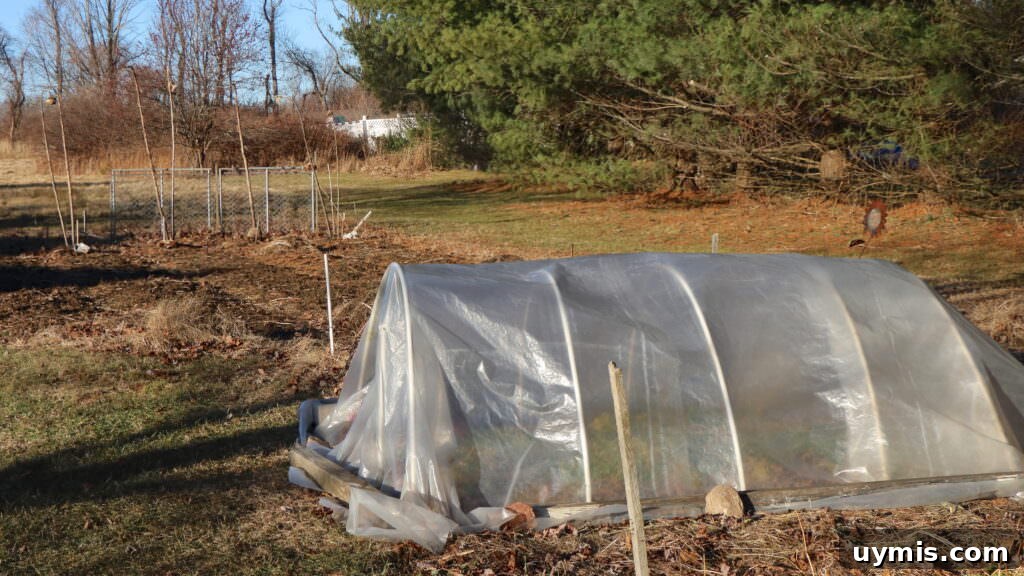
We plant starter potatoes in late May to reduce pest pressure, beginning early harvests in summer and saving main harvests for fall. Broccoli rabe can be planted in late summer for spring harvest, and garlic is typically planted in fall for a midsummer harvest, though spring-planted garlic will produce smaller bulbs by autumn.
It’s Time to Get Pumped, Make Plans, and Buy Seeds
Whether your plot is large or small, now is the time to plan. If you lack sunny space at home, look into community garden plots—many fill fast. Preparation pays off: the gardener who plans and orders early enjoys the best selection and the most homegrown food.
Order or save your seeds now and make a planting schedule that fits your climate and goals. Happy gardening!

DeLorenzo’s 2020 Seed Order
Below is our 2020 seed order. We buy substantial quantities because we preserve a large portion of the harvest each year: potatoes, garlic, onions, winter squash, tomatillos, and many other crops. We also freeze, can, pickle, ferment, and dehydrate produce to extend the season.
249A – Maxibel – Organic Bush Haricots Verts (1/2oz) 1 x $2.40 = $2.40
298A – Windsor Fava Beans (2oz) 1 x $2.40 = $2.40
1328A – General Lee Slicing Cucumbers (1g) 1 x $2.70 = $2.70
1411A – Black Zucchini Zucchini (1/8oz) 1 x $1.60 = $1.60
1507A – Gentry Yellow Summer Squash (1/8oz) 1 x $3.60 = $3.60
2042B – Scarlet Nantes Main Season Carrots (1/2oz) 1 x $4.00 = $4.00
2092A – Yaya, Unpelleted – Organic Main Season Carrots (1g) 1 x $3.10 = $3.10
2182A – Detroit Dark Red Short Top Beets (1/8oz) 1 x $1.80 = $1.80
2234A – Champion Radishes (1/8oz) 1 x $1.70 = $1.70
2411A – King Sieg – Organic Leeks (1/16oz) 1 x $2.80 = $2.80
2472B – Patterson Yellow Storage Onions (1/8oz) 1 x $5.60 = $5.60
2492A – Red Mountain Red Storage Onions (0.5g) 1 x $3.60 = $3.60
2712A – Black Seeded Simpson – Organic Looseleaf Lettuce (1g) 1 x $2.10 = $2.10
2763A – Elf Ears Oak – Organic Oakleaf Lettuce (1g) 1 x $3.70 = $3.70
2811A – Buttercrunch Butterhead Lettuce (1g) 1 x $1.90 = $1.90
2874A – Olga – Organic Romaine Lettuce (1g) 1 x $2.80 = $2.80
3027A – Sylvetta Arugula (1/16oz) 1 x $2.20 = $2.20
3056A – Wrinkled Crinkled Crumpled Cress – Organic Specialty Greens (1/16oz) 1 x $2.30 = $2.30
3059A – Watercress – Organic Perennial Greens (1/16oz) 1 x $2.40 = $2.40
3063A – Très Fine Maraîchère Olesh – Organic Endive (1/16oz) 1 x $3.50 = $3.50
3187A – Fiero Radicchio (0.05g) 1 x $3.60 = $3.60
3355A – Early Jersey Wakefield Green Cabbages (2g) 1 x $1.80 = $1.80
3375A – Ruby Perfection Red Cabbages (0.5g) 1 x $4.20 = $4.20
3485A – Quarantina Broccoli Raab (2g) 1 x $2.00 = $2.00
3677A – Galine Bell-shaped Eggplants (0.2g) 1 x $3.80 = $3.80
3695A – Cajun Jewel – Organic Okra (2g) 1 x $2.40 = $2.40
3740B – Sweet Pimiento – Organic Pimiento (0.4g) 1 x $4.00 = $4.00
3757A – Carmen – Organic Elongated Sweet Peppers (20 seeds) 2 x $3.80 = $7.60
3758A – Karlo – Organic Paprika (0.2g) 1 x $2.70 = $2.70
3834A – Early Jalapeño Hot Peppers (0.5g) 1 x $1.90 = $1.90
4012A – Purple Blush – Organic Tomatillos (0.2g) 1 x $2.20 = $2.20
4053A – Black Prince – Organic Slicing Tomatoes (0.2g) 1 x $2.30 = $2.30
4061A – Black Krim – Organic Slicing Tomatoes (0.2g) 1 x $2.40 = $2.40
4140A – Amish Paste – Organic Paste Tomatoes (0.2g) 1 x $2.40 = $2.40
4141A – Hog Heart – Organic Paste Tomatoes (0.2g) 1 x $2.40 = $2.40
4264A – Juliet Small-Fruited Tomatoes (20 seeds) 1 x $3.40 = $3.40
4517A – Caribe – Organic Cilantro (1g) 1 x $2.10 = $2.10
4556A – Zefa Fino Fennel Fennel (0.5g) 1 x $2.20 = $2.20
4656A – Rosemary Herbs (0.2g) 1 x $3.00 = $3.00
4687A – German Thyme Herbs (0.2g) 1 x $2.40 = $2.40
Subtotal: = $115.00
Volume Discount: – $5.75
Fedco Member Discount: – $0.00
Adjusted Total: = $109.25
Shipping: + $0.00
Sales Tax: + $0.00
Grand Total: = $109.25
If you enjoyed this post you may also like: Spring Gardening Ideas, Lettuce From Seed to Salad, and Planting Garlic in the Fall. How’s your garden growing? Feel free to leave a comment or question below.