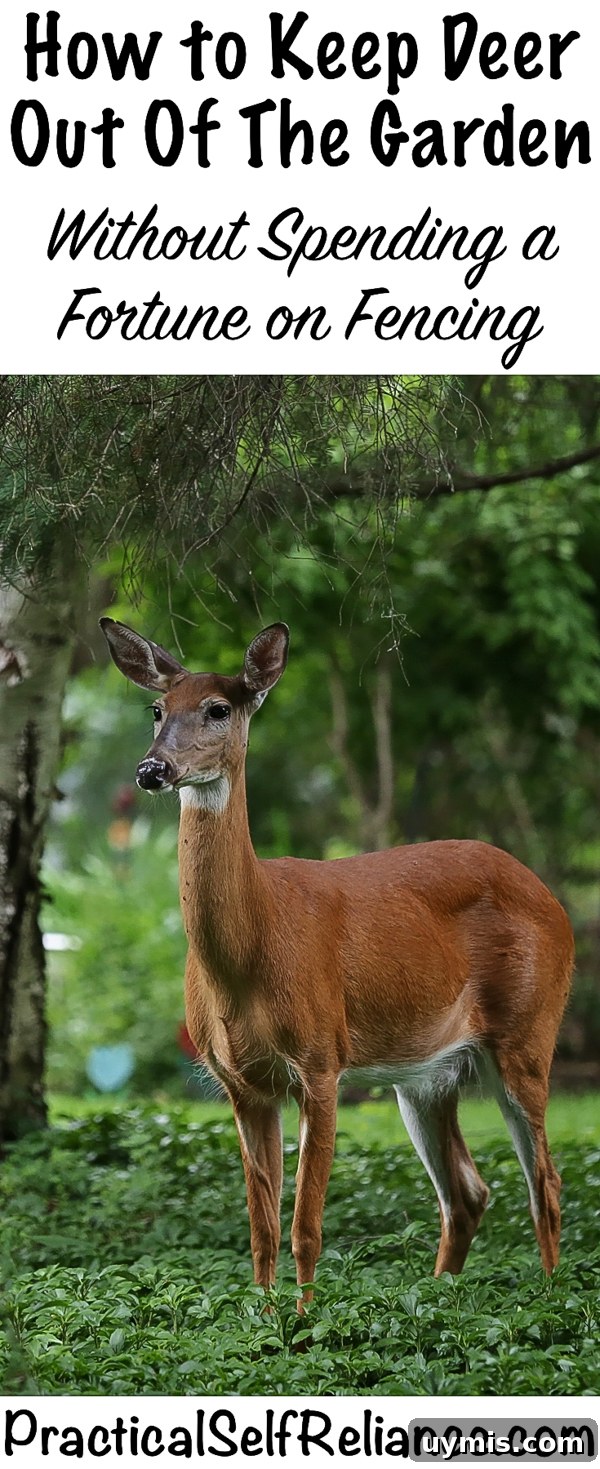
How to Keep Deer Out of the Garden with Fishing Line
It has happened again. You have spent months planting, watering, weeding, mulching, and carefully tending your garden, only to have deer arrive just before harvest and help themselves to the best produce. For many gardeners, deer damage is one of the most frustrating parts of growing vegetables, fruit trees, and flowers.
An 8-foot deer fence can work well, but it is not realistic for every garden. Tall fencing can be expensive, difficult to install, and impractical if you have several garden areas, young trees, or small orchard spaces spread across your property. The good news is that you may not need a large permanent fence to protect your plants. A simple fishing line deer fence can be an affordable and surprisingly effective way to keep deer out of the garden.

Why Fishing Line Helps Keep Deer Away
Deer are cautious animals. When they approach a garden and bump into something they cannot clearly see, it can confuse them. They do not understand that a few strands of fishing line are not a solid barrier. Instead, they feel resistance at nose height, hesitate, and often decide to move on to an easier place to feed.
This method works because the barrier is almost invisible. A deer may see the tender plants, vegetables, or young fruit trees inside your garden and begin walking toward them. When its nose touches the fishing line, it encounters an unexpected obstacle. Because the line is difficult for the deer to see, the animal cannot easily judge what it is dealing with. A confused deer usually does not spend much time investigating. In many cases, it simply turns away and looks for food elsewhere.
Use Lightweight Fishing Line
The most important part of this method is choosing the right fishing line. It may seem logical to buy the strongest line available so the deer cannot break through it, but heavy line can actually make the fence less effective. Thick fishing line is easier for deer to see. If they recognize it as a visible barrier, they may treat it like a regular fence and jump over it.
Instead, choose a lighter fishing line, such as 10- to 15-pound test. This type of line is thin enough to be hard for deer to notice, but it still creates the strange, unexpected sensation that makes them stop. The goal is not to build a fence that physically holds deer back. The goal is to create a confusing boundary that discourages them from entering.
How to Set Up a Fishing Line Deer Fence
To make a simple fishing line fence, place stakes around the area you want to protect. Tie the first strand of fishing line to the stakes about 3 feet above the ground, which is roughly nose height for many deer. Pull the line tight enough that it will not sag heavily, but do not worry about making it look like a traditional fence.
Add a second strand of fishing line about 18 inches above the ground. This lower strand is important. Deer often graze with their heads down, and they may walk beneath a higher strand without touching it. A second line gives the barrier a better chance of making contact and alerting the deer before they reach your plants. It takes very little extra time and only a small amount of additional line, but it can make the setup much more effective.
Protecting Gardens, Orchards, and Individual Trees
If you have several garden beds or fruit trees in different areas, fishing line can be especially useful. Instead of trying to fence an entire property, you can protect each small section separately. A few stakes and two strands of line can be placed around vegetable beds, berry patches, young trees, or small orchard areas.
For individual trees, you can use three or more stakes around the tree and run fishing line between them. This creates a small protective boundary that helps keep deer from getting close enough to browse branches or damage the trunk. It is a simple option for young trees that are not yet large enough to withstand heavy deer pressure.
In some areas, deer are more likely to damage trees during the winter, especially when other food sources are limited. In that case, the fishing line can be put up during the colder months and removed in summer when it is less needed. Removing the line during the growing season can make it easier to mulch, prune, water, and harvest without working around the barrier. When winter returns, the line can be quickly installed again to help protect the trees.
A Simple and Affordable Deer Deterrent
Fishing line is not a perfect solution for every situation, and determined deer may still find a way into a garden. However, for many gardeners, it is a low-cost method that is worth trying before investing in a large permanent fence. It is quick to install, easy to move, and useful for protecting both garden beds and individual trees.
If deer have been destroying your hard work right before harvest, a fishing line fence may help create enough confusion to send them elsewhere. With lightweight line, sturdy stakes, and two well-placed strands, you can give your vegetables, fruit trees, and garden plants a much better chance of making it through the season.