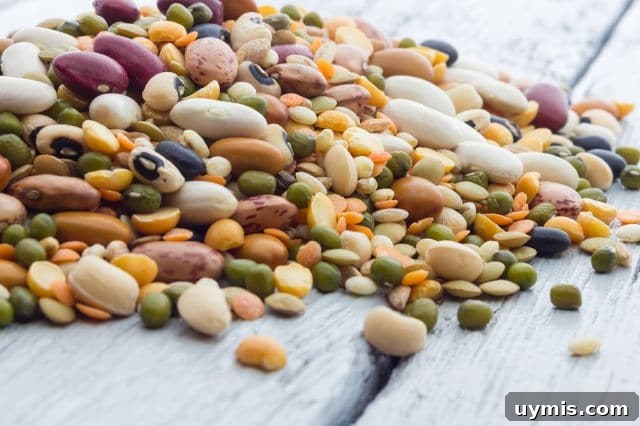
Dried beans are an economical, nutritious kitchen staple, but many people hesitate because they think cooking them from scratch is time-consuming. The good news: with a thermal cooker you can reduce active cooking time to a few minutes and use very little electricity.
Below is a clear, step-by-step method for cooking dried beans in a thermal cooker that keeps hands-on time minimal while delivering tender, evenly cooked beans suitable for freezing, adding to recipes, or eating as a side.
How to cook beans in the thermal cooker
A thermal cooker is essentially an insulated container that holds a hot pot, allowing food to continue cooking without additional heat. It’s ideal for beans because they need long, gentle heat. If you don’t have a commercial thermal cooker you can make a simple version with a sturdy pot and an insulated box or laundry basket lined with towels.
These directions are easy to follow and work well with common beans such as black beans, pinto, navy, and kidney beans. Adjust soaking times slightly for larger or older beans.
1. SOAK YOUR BEANS
Soaking shortens overall cooking time and helps beans cook more evenly. Place the dried beans in a pot and cover with cold water so there’s a few inches of water above the beans. Cover the pot and leave to soak for about 8–10 hours. If it’s more convenient, soak during the day and cook in the evening or soak overnight and cook the next morning.
For very large beans you can extend soaking up to 12–18 hours, but be aware that in hot conditions extremely long soaks can encourage spoilage. If you’re short on time, you can use a quick soak: bring beans and water to a boil for two minutes, remove from heat and let sit covered for one hour, then proceed.
Hands-on time: about 30 seconds to put beans in water.
2. DRAIN AND RINSE YOUR BEANS
After soaking, drain the soaking water and rinse the beans under fresh water. Return the rinsed beans to the pot and cover them with fresh cold water, allowing a couple of inches above the beans to accommodate expansion during cooking.
You can add aromatics at this stage if you like—onion halves, a couple of garlic cloves, or a bay leaf—for extra flavor. Avoid adding acidic ingredients such as tomatoes or vinegar until the beans are fully tender, since acid can slow the softening process.
Hands-on time: about 1 minute.
3. BRING THE BEANS TO THE BOIL
Place the pot on the stove and bring the water to a full boil. Once boiling, let the beans boil gently for about two minutes. This short boil ensures the beans reach a high temperature before you transfer them to the thermal cooker.
While the beans are heating, prepare your thermal cooker: line a strong container or basket with a towel or blanket and have additional towels ready to fold over and around the pot, creating a snug insulated environment.
Cooking time on the stove: approximately 2–3 minutes. Hands-on time for preparing the cooker: 1–2 minutes.
4. PLACE YOUR POT OF BEANS IN THE THERMAL COOKER
After the brief boil, put the lid on the pot, turn off the stovetop, and place the hot pot inside the insulated container. Fold the towel over the lid, then pack towels or blankets around and over the pot so it’s well insulated. The retained heat will continue cooking the beans slowly and evenly.
Leave the beans undisturbed in the thermal cooker for at least 4 hours and up to 12 hours. Many people leave them overnight for convenience; after this extended gentle cooking they should be tender and fully cooked.
If you check after a few hours and they need more time, you can return the pot to the stove, bring to a boil briefly, then place it back into the thermal cooker.
Hands-on time: about 1 minute to transfer and insulate.
5. DRAIN COOKED BEANS
When the beans are done, drain off the cooking liquid. Be careful: the beans and liquid will still be hot and steaming. Taste a few to ensure they’re soft and cooked through. If they’re not quite tender, reheat briefly and return to the insulated cooker for a few more hours.
These beans are ready to use immediately in salads, soups, stews, burritos, or as a side. They also freeze very well: cool the beans, pack into freezer-safe containers or bags in portion sizes you’ll use, label with the date, and freeze for later meals. Freezing home-cooked beans saves time on busy days and reduces food costs.
Hands-on time for draining and packing: about 1–3 minutes.
By using a thermal cooker you reduce direct stove time to just a few minutes and keep active prep under 10 minutes. This method saves electricity, produces excellent results, and makes it easy to batch cook and freeze beans for quick, economical meals throughout the month.
Beans are a cost-effective source of protein and fiber; cooking them this way makes them convenient and easy to add to many dishes. With a little planning, a single short session can supply cooked beans for multiple meals, helping you save time and money in the kitchen.