
Resurrection Rolls are a simple, meaningful family activity that turns the Easter story into an edible object lesson. With just five ingredients and under 30 minutes from start to finish, these rolls are perfect for Holy Week or Easter Sunday.
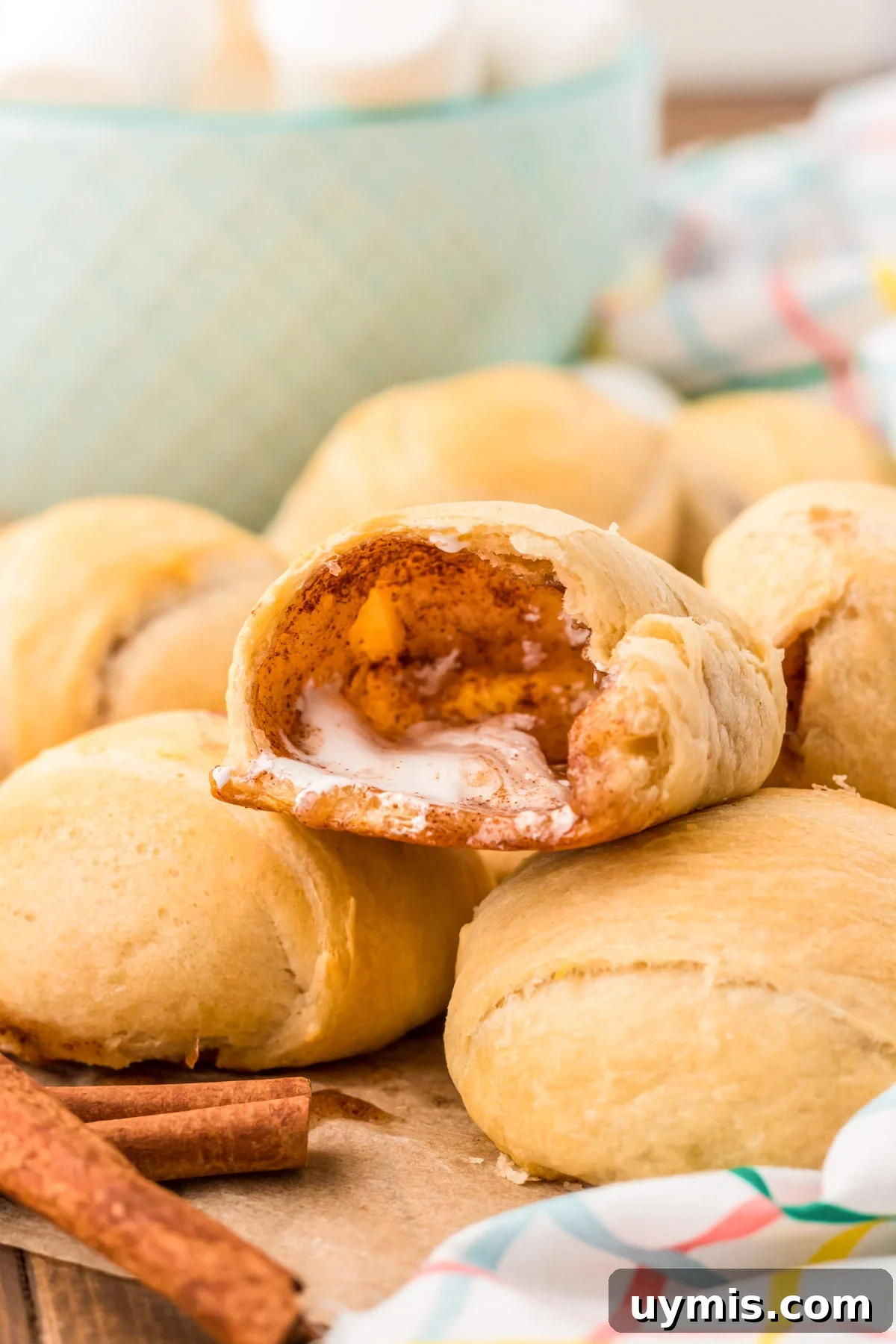
An Edible Easter Story To Teach The Meaning Of the Holiday
Resurrection Rolls are a great way to teach children (and remind adults) about the empty tomb in a hands-on, tasty way. As you prepare the rolls together, you can tell the story of Jesus’ burial and resurrection while the recipe itself illustrates the lesson: what goes into the roll then disappears, leaving an “empty tomb.”
This activity works well with children of different ages. Little hands can dip marshmallows, roll them in cinnamon sugar, and tuck them into crescent dough while you narrate the story. The excitement of opening a baked roll and discovering the hollow center reinforces the message in a memorable, joyful way.
Rebecca’s Recipe Review
Taste: Buttery, sweet, and comforting.
Texture: Flaky, tender crust with a gooey interior before it melts away.
Ease: Simple to prepare; very family-friendly.
Pros: A tangible, kid-friendly way to teach the Easter story. Minimal, common ingredients.
Cons: If rolls aren’t sealed well, melted marshmallow can leak onto the pan—use parchment for easy cleanup.
Would I Make This Again? Absolutely—this has become an annual tradition.
My daughters loved making these Resurrection Rolls and learning the Easter story through a hands-on activity. It’s sweet and memorable—something we’ll repeat each year.
– Carol
Resurrection Rolls Recipe Ingredients
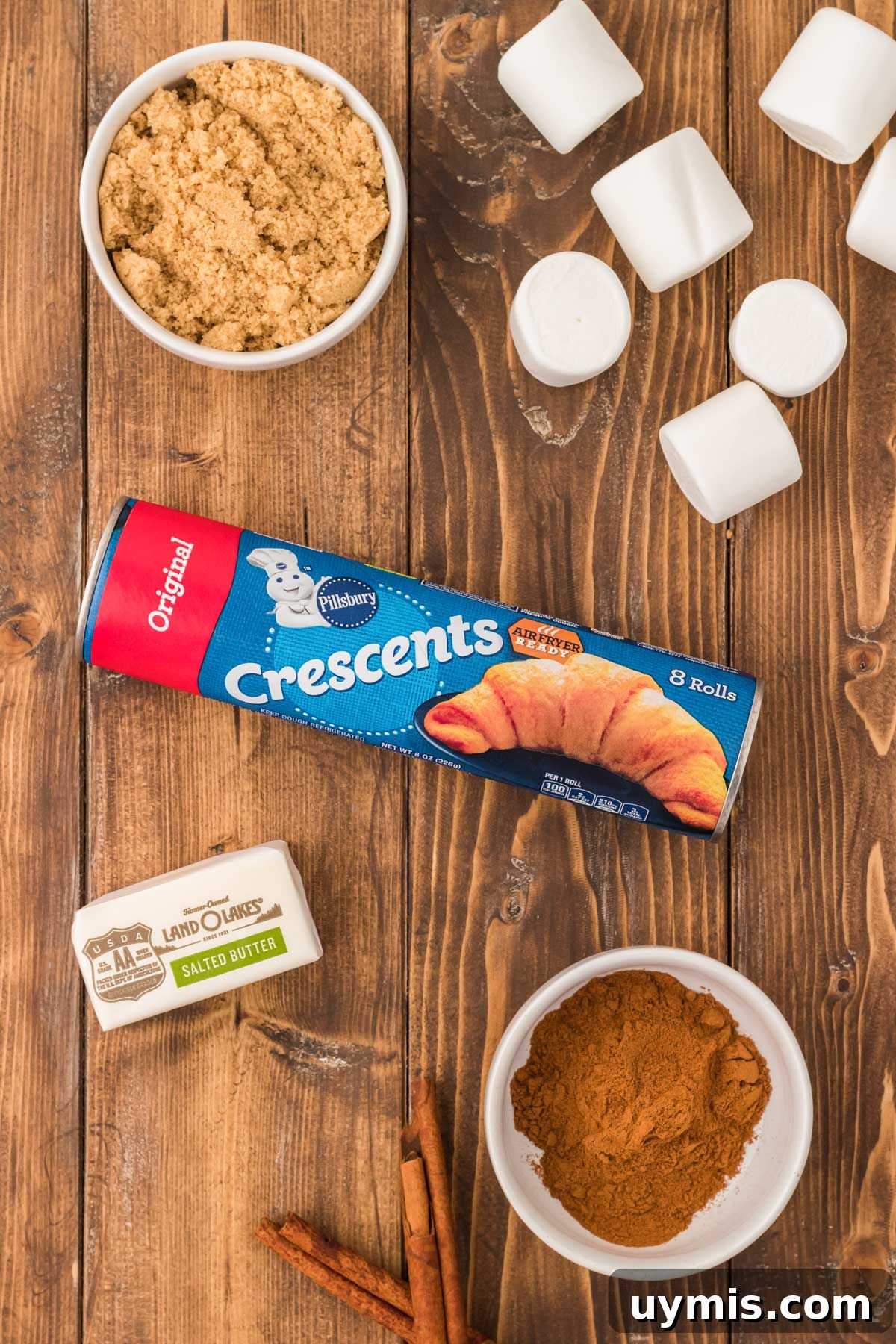
You only need five basic ingredients to make these Resurrection Rolls, so you can spend more time sharing the story and less time shopping or prepping.
- Crescent roll dough (1 can, 8 count)
- Salted butter, melted (¼ cup)
- Light brown sugar (2 tablespoons, packed)
- Ground cinnamon (2 teaspoons)
- Regular marshmallows (8)
Ingredient Notes For the Resurrection Rolls Story
- Marshmallows: Represent Jesus’ body. When baked inside the dough the marshmallow melts and disappears, leaving an “empty tomb.”
- Cinnamon sugar and butter: Symbolize the oils and spices used to prepare Jesus’ body for burial. Coating the marshmallow mirrors that act of care.
- Crescent roll dough: Serves as the tomb. Wrapping the marshmallow tightly recreates the sealed tomb that is later found empty.
How To Make Resurrection Rolls
- Preheat oven to 375°F (190°C). Line a baking sheet with parchment paper and set aside.
- Open the crescent roll can and separate the dough into eight triangles along the perforations.
- Melt the butter. In a small bowl, stir together the brown sugar and cinnamon.
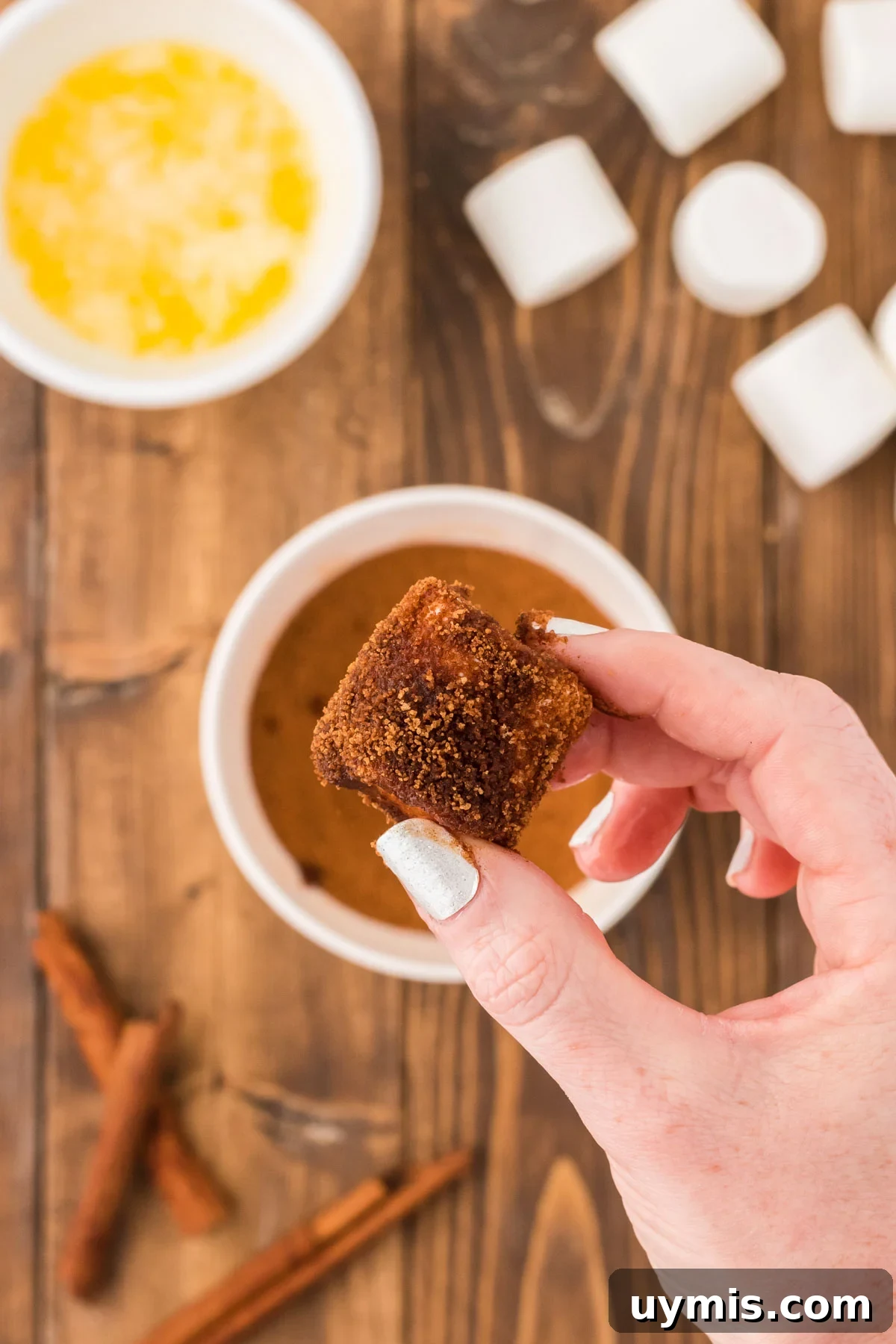
- Dip each marshmallow in melted butter, then roll it in the cinnamon-sugar mixture until coated.
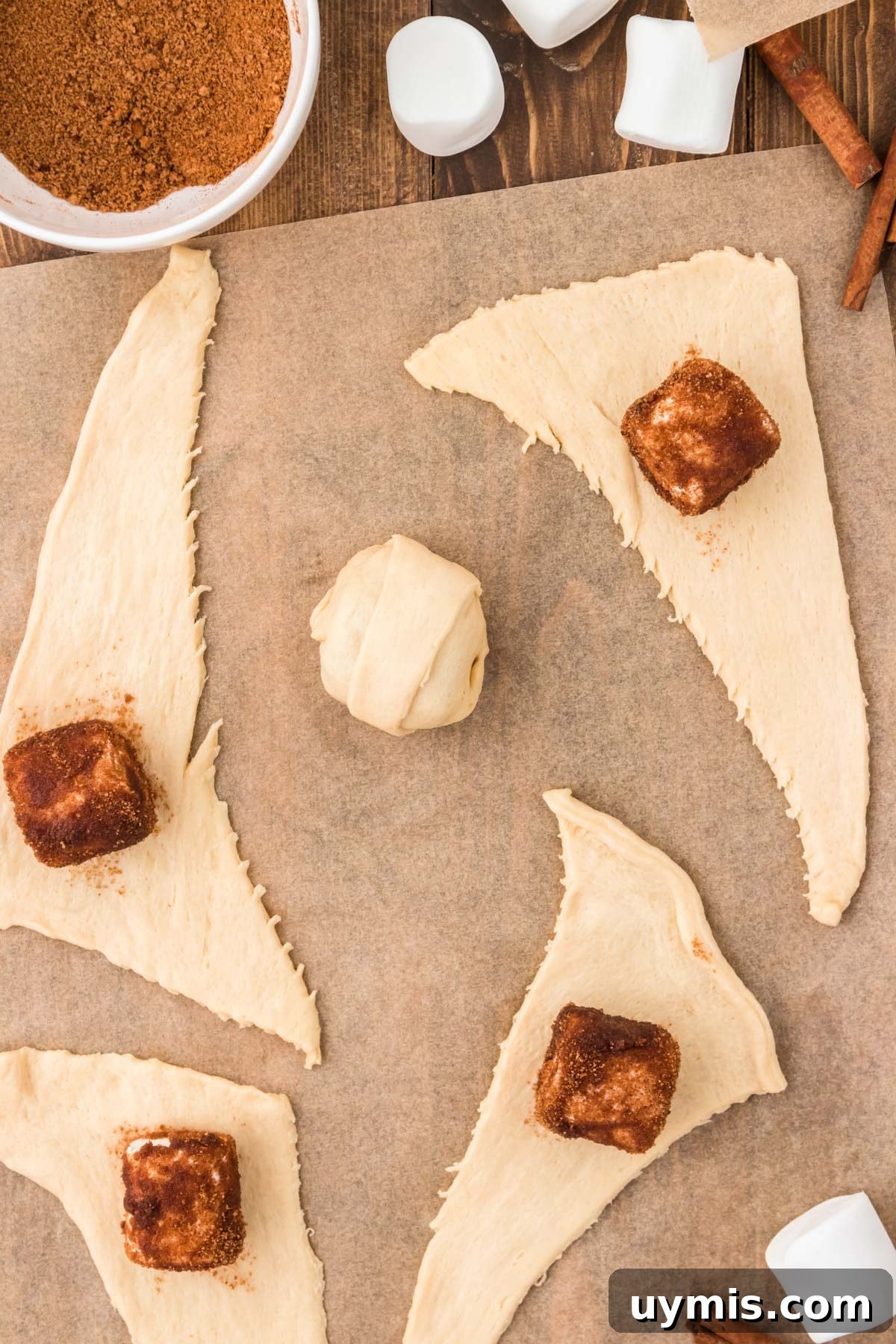
- Place the coated marshmallow on the wide end of a crescent triangle, fold the points in, and roll tightly to seal. Pinch the edges to prevent leaking.
- Arrange the rolls on the prepared pan and bake for 10–13 minutes, rotating the pan halfway through, until the rolls are golden brown and feel set when tapped.
As you work through each step, relate it to the story: the marshmallow is prepared and wrapped (burial), then after baking it has disappeared, leaving an “empty tomb” to discover together. If some marshmallow leaks, don’t worry—that happens when seals aren’t tight, especially with enthusiastic little chefs!
When the rolls come out of the oven, let them cool briefly, then open one to reveal the hollow inside. That visual moment is powerful for children and adults alike—an easy, memorable illustration of the empty tomb.
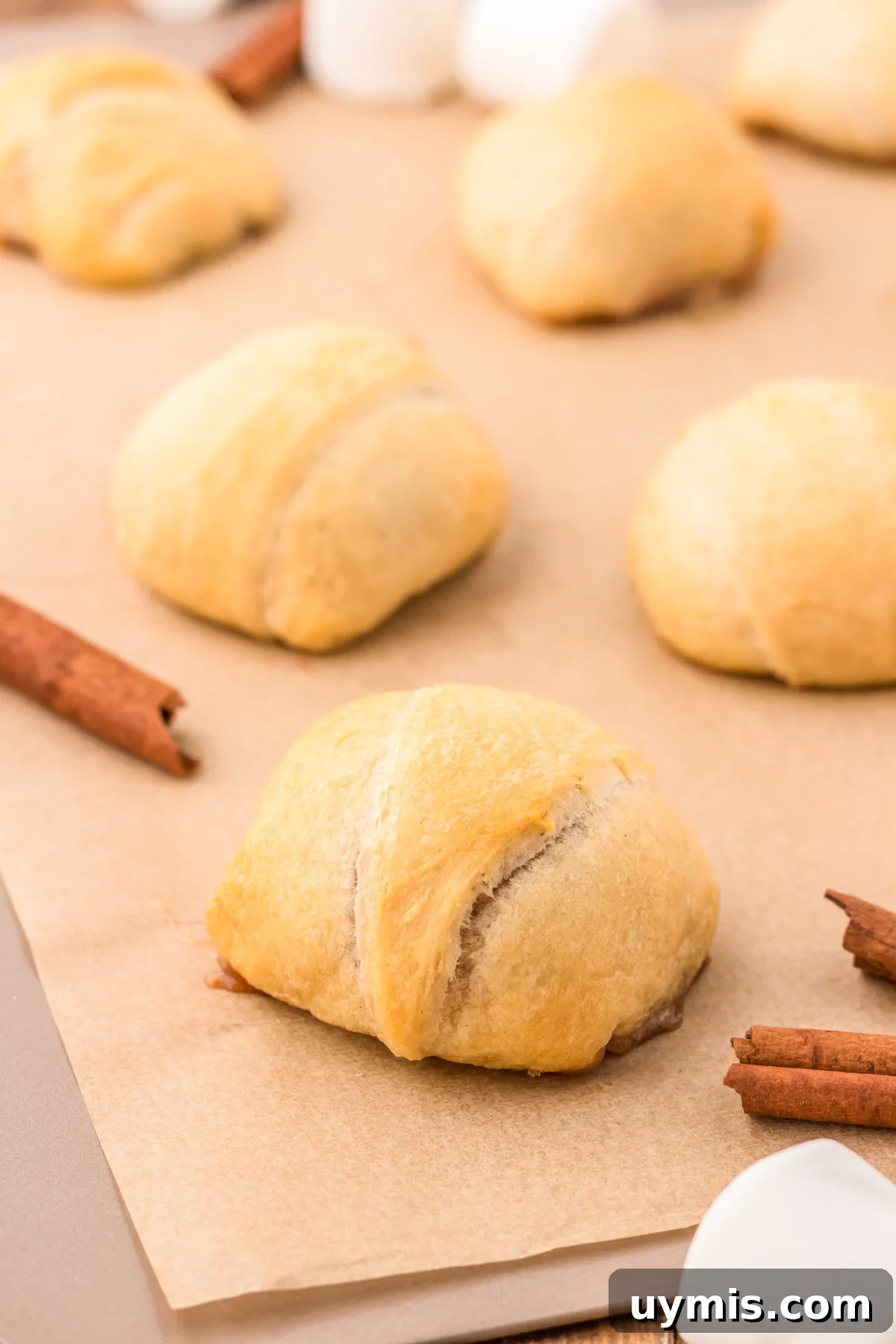
Use this Recipe to Teach the Story of Easter
The Gospel accounts describe Jesus’ death, burial, and resurrection, and the empty tomb is central to Christian hope. This simple recipe gives a visual and interactive way to talk about those events with children while enjoying a sweet treat together.
Open a roll and celebrate the discovery of the empty inside—then connect that moment to the biblical account and the message that Jesus rose again.

Rebecca’s Tips
- Prep ahead: Melt the butter, mix the cinnamon sugar, and separate dough triangles before gathering kids so the activity stays focused and organized.
- Marshmallow brand: Some brands melt more completely than others; try a few to find the one that disappears most cleanly if that visual is important to you.
- Seal tightly: Pinch the dough well to reduce leakage. For extra security, wrap each marshmallow in two triangles, though this will yield a doughier result and require more bake time.
- Bake time: Bake 12–13 minutes for fully disappeared marshmallows and a deeper golden color; around 10 minutes will leave a small amount of marshmallow inside if you prefer that.
Substitutions & Variations
- Muffin tin: Bake rolls in a muffin tin for a rounder, tomb-like shape.
- Different dough: Use refrigerated or frozen dinner roll dough if you prefer a softer, breadier roll.
- Sugar options: Granulated sugar works in place of brown sugar if needed.
- Decorating: Add icing crosses or colored drizzle and sprinkles for a festive touch the kids can customize.
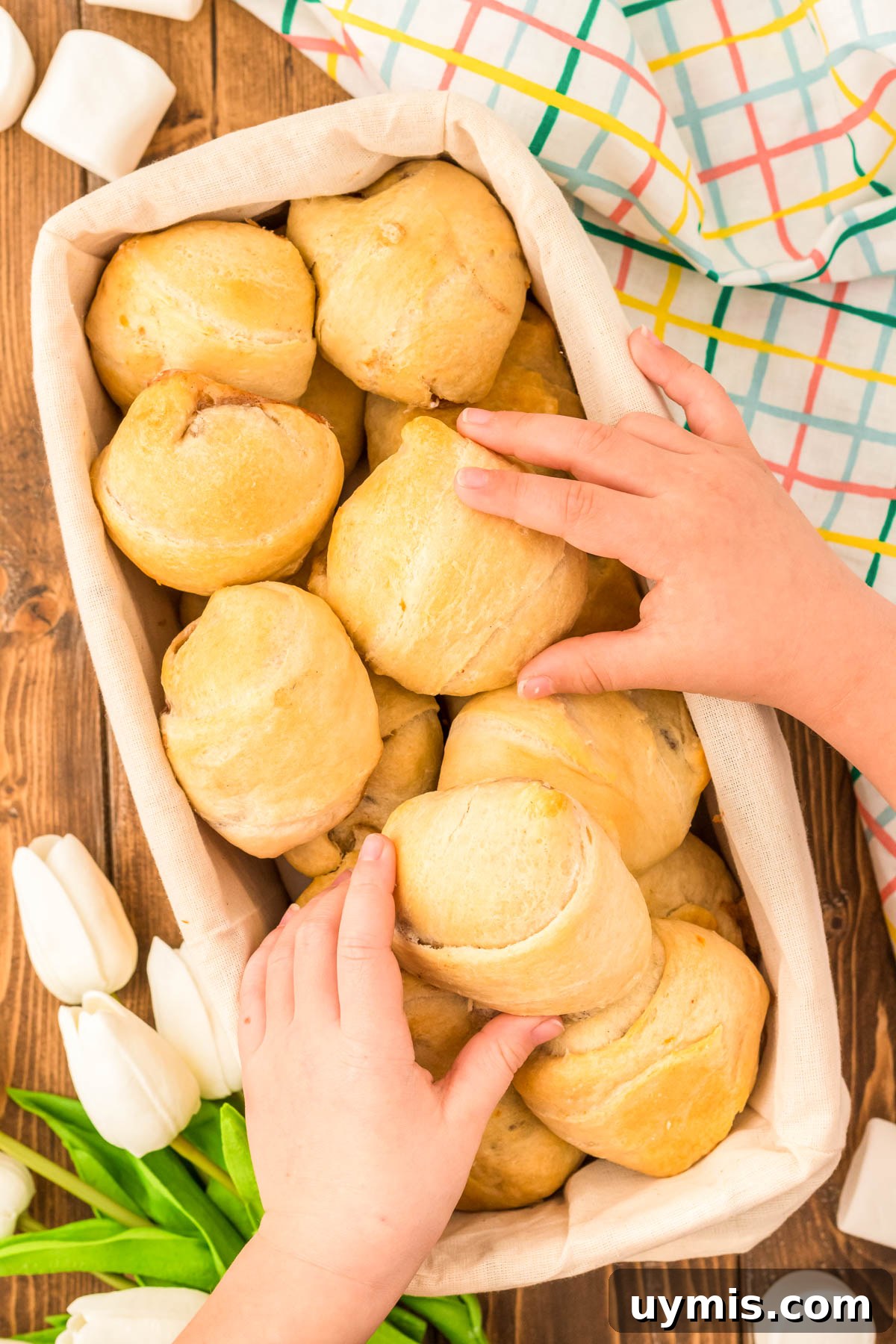
This Resurrection Roll Recipe Makes a Perfect Easter Tradition
Because the recipe is quick, inexpensive, and carries a clear message, it’s ideal for building a family tradition. Start with a simple, child-friendly narrative for young children and expand into scripture and deeper conversation as they grow.
These rolls are easy to repeat each year and make a meaningful addition to Easter morning, Sunday school, or a family gathering.
How to store Tomb Rolls
Store leftover Resurrection Rolls in an airtight container at room temperature for up to three days. Reheat gently if you prefer them warm.

More Easter Recipe Ideas
- Cadbury Mini Egg Cookies — a festive cookie option for spring.
- Bunny Bait — an easy, sweet snack mix kids can help make.
- Creme Egg Dirty Soda — a playful, dessert-style soda for gatherings.
- Easter Blondies — chewy blondie bars dotted with pastel candies.
- Cadbury Egg Brownies — fudgy brownies topped with mini chocolate eggs.