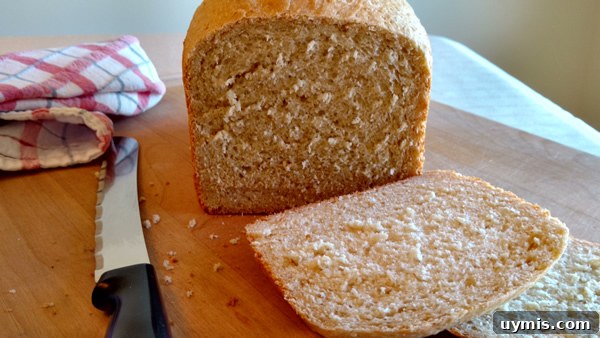
Simple ingredients come together in this bread machine oatmeal bread. This farmhouse-style loaf is tender and hearty, perfect for sandwiches, morning toast, or as a comforting side for soups and stews.
Last updated June 15, 2024 – Originally published May 2017
Note: Some content on this page may reference affiliate programs. Any references are informational in nature.
Featured Comment
“This recipe was awesome! The bread came out with a wonderful crust and taste.” ~ Brenda
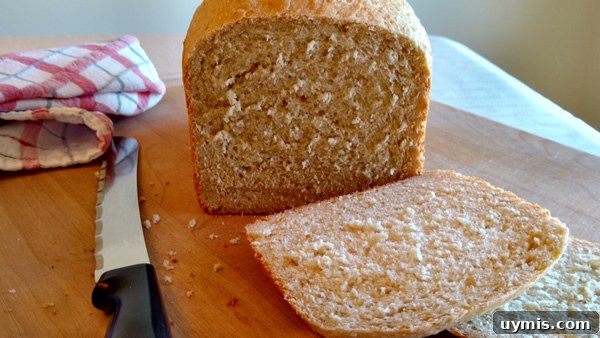
This recipe produces a soft, slightly dense loaf with a hearty oat flavor. It slices well for sandwiches and toasts beautifully. We enjoyed it with grilled pastrami sandwiches, but it also pairs nicely with jams, butter, or a bowl of soup.
Different Types of Oats
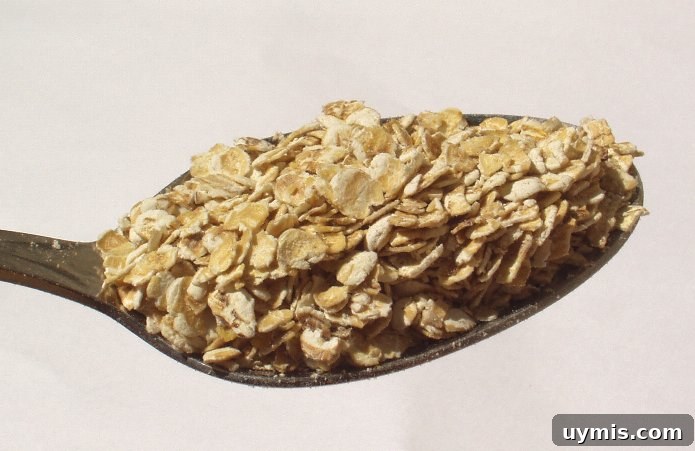
Oats used in recipes typically start as oat groats, which are whole kernels with the hull removed. The difference among rolled (old-fashioned) oats, steel-cut oats, and instant oats comes down to how the groats are processed.
Old-Fashioned (Rolled) Oats – These are steamed and flattened. Their texture holds up well in baked goods, making them the preferred choice for this bread. They provide structure and a pleasant chew.
Steel-Cut Oats – Also called Irish or Scottish oats, these are chopped rather than rolled. They have a chewier texture and take longer to cook.
Instant or Quick Oats – These are pre-cooked, dried, and pressed more thinly. They cook quickly and can be used in a pinch, but the loaf will have a softer, less distinct oat texture than when using old-fashioned oats.
For best texture in oatmeal bread, use old-fashioned rolled oats. If you only have quick oats, the bread will still work but the crumb will be different.
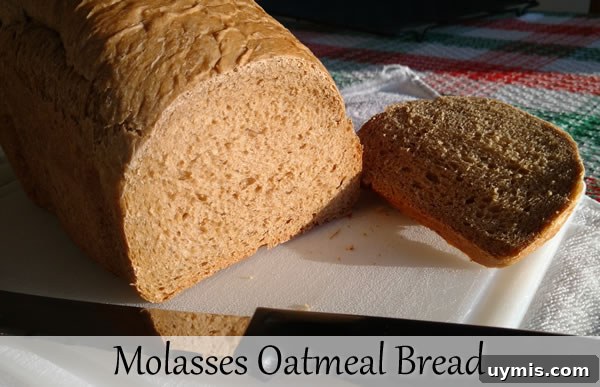
If you prefer a darker, slightly sweeter loaf, try a molasses oatmeal bread. The molasses adds depth and a rich color while still keeping that oatmeal texture.
FAQ for This Recipe
- Yeast types: Active dry, instant, bread machine, and quick-rise yeasts behave differently. If you switch types, follow manufacturer guidelines for amounts and handling.
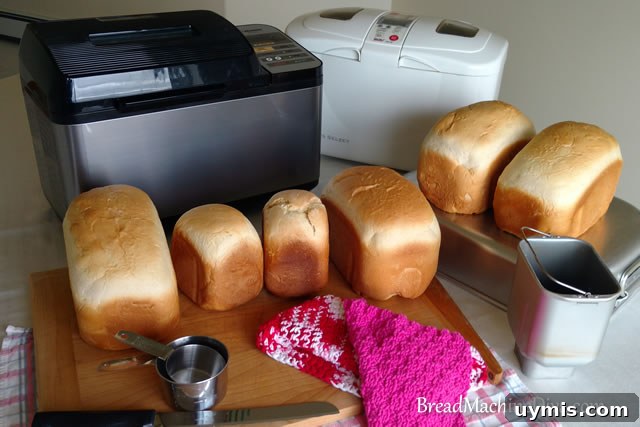
- Bread machine sizes vary. This recipe is written for a two-pound loaf machine; adjust ingredient amounts if your machine is a different size.
- Flour choices matter: bread flour gives more structure and chew; all-purpose flour will produce a slightly softer loaf.
Making Bread Machine Oatmeal Bread
This recipe is formulated for a two-pound bread machine using the basic (white) setting and a medium crust.
Follow your bread machine’s instructions for ingredient order. Many bakers add liquids first, then dry ingredients, and yeast last to keep it separate from salt and liquids until the cycle begins. Adding the oats just after the liquids helps them soften during the initial mixing and kneading.
During the first kneading phase, check the dough after about five to ten minutes. The dough should form a smooth, round ball. If it’s too dry, add liquid one teaspoon at a time. If it’s too wet and sticky, add flour a tablespoon at a time until you achieve the right consistency.
Note: Oatmeal bread tends to rise a little less than some white breads, so the finished loaf may be slightly shorter but still flavorful and tender.
Bread Machine Oatmeal Bread Recipe
Recipe yield: one two-pound loaf. Use the basic (white) setting and medium crust.
Ingredients
- 1 cup milk (236.6 ml)
- 1/2 cup water (118.3 ml)
- 1 1/3 cups old-fashioned oats (about 108 g)
- 3 1/3 cups bread flour (about 417 g)
- 2 tablespoons olive oil
- 1/4 cup packed brown sugar (about 55 g)
- 1 teaspoon salt
- 1 1/2 teaspoons active dry yeast
Recommended Equipment
- Bread machine (two-pound loaf capacity)
- Measuring cups and spoons
- Bread knife for slicing
Instructions
- Set your bread machine to the basic (white) setting and medium crust. This recipe is designed for a two-pound loaf.
- Add ingredients to the bread machine in the order recommended by the manufacturer. A common approach is liquids first (milk and water), then oats, flour, sugar, salt, oil, and finally the yeast on top to keep it separate.
- Start the machine. After 5–10 minutes of kneading, open the lid and check the dough. It should form a smooth, round ball.
- If the dough is too dry and crumbly, add a teaspoon of liquid at a time until it holds together. If it’s too wet and sticky, add a tablespoon of flour at a time until the dough looks right.
- Allow the machine to complete its cycle. When finished, remove the loaf from the pan and cool on a wire rack before slicing.
Notes
This recipe was developed using US customary measurements; metric conversions are approximate. Because of the oatmeal, the loaf may not rise as tall as some other breads, but it will have a pleasant, hearty texture. For best slicing, let the loaf cool completely.
Storage: Store cooled bread in an airtight container for up to 3 days at room temperature. For longer storage, slice and freeze; reheat slices as needed.
Nutrition (approximate per slice)
Calories: 181 kcal | Carbohydrates: 32 g | Protein: 5 g | Fat: 4 g | Fiber: 2 g | Sugar: 5 g
All nutrition information is an estimate and should be used as a general guideline rather than medical advice.