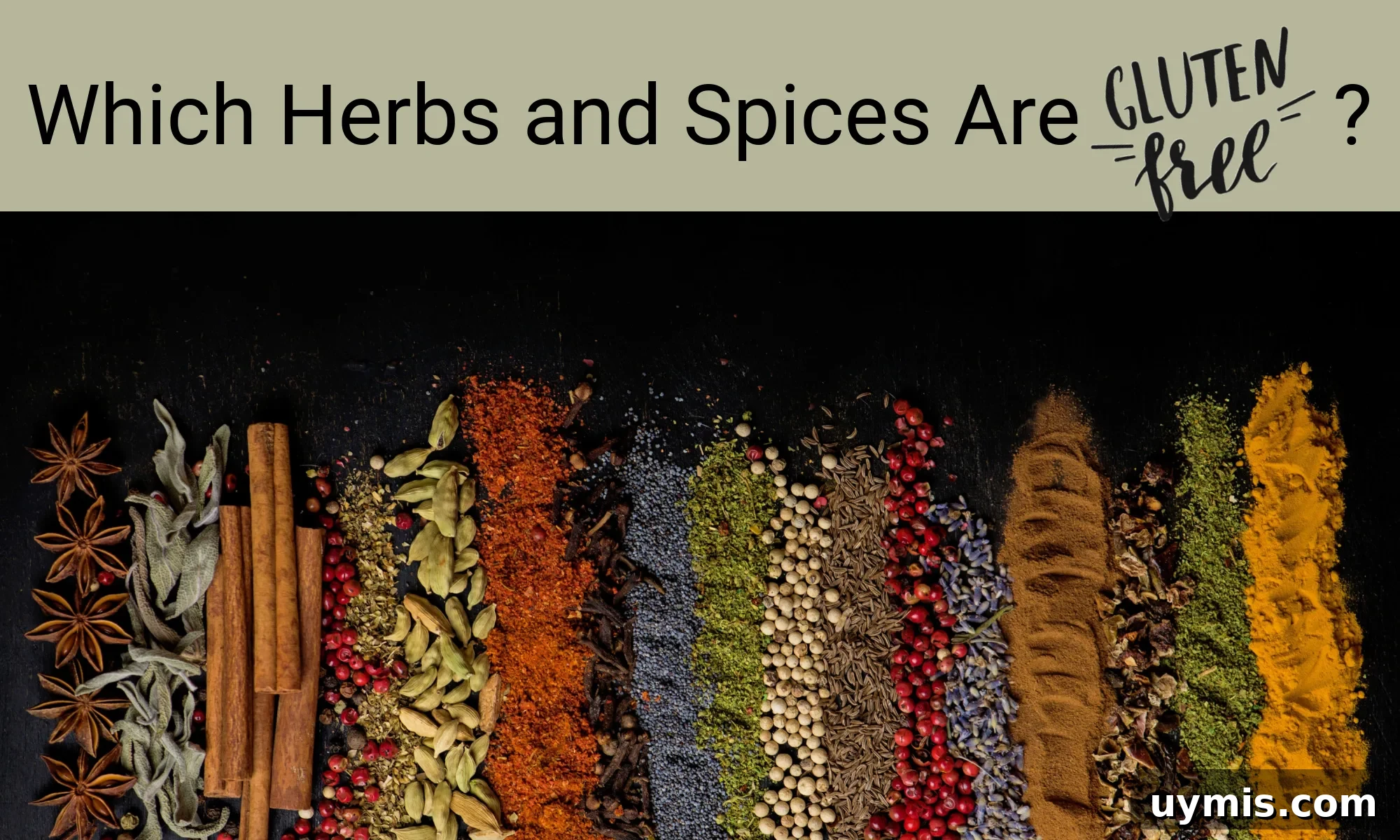
A gluten-free diet has become increasingly common in recent years. Some people avoid gluten because they have Celiac disease or gluten sensitivity, while others choose gluten-free foods as a personal preference. Whatever your reason, it is important to understand which foods and ingredients may contain gluten, especially when buying packaged products.
All plain herbs and spices are gluten-free. However, seasoning blends may sometimes include extra ingredients such as thickeners, anti-caking agents, or sweeteners. Even so, most seasoning mixes are very unlikely to contain gluten.
In this guide, we’ll explain why plain herbs and spices are naturally gluten-free, what to watch for in seasoning blends, and how to read labels with confidence when following a gluten-free diet.
What are herbs and spices?
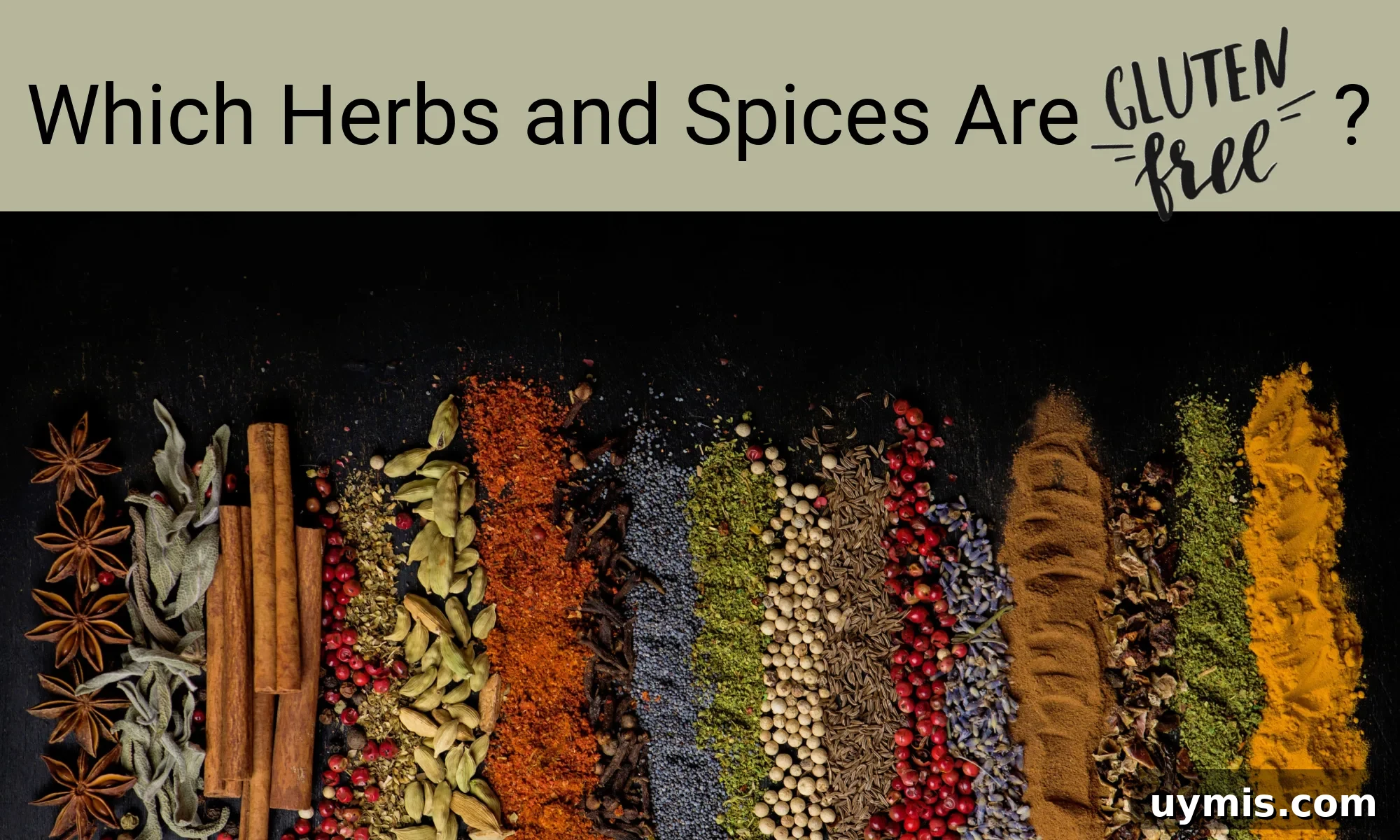
Herbs and spices are plant-based ingredients used to add flavor, aroma, and color to food. Although the terms are often used together, they are not exactly the same. Herbs and spices come from different parts of plants.
Herbs usually come from the leafy parts of plants. Common examples include oregano, basil, cilantro, parsley, mint, thyme, and rosemary. Some herbs are sold fresh, while others are dried and crushed or ground for easier storage and everyday cooking.
Spices come from other parts of plants, such as roots, seeds, bark, stems, flower buds, or fruits. Examples include cinnamon, black pepper, cloves, turmeric, ginger, cumin, paprika, and nutmeg. Spices are most often sold dried, either whole or ground into a powder.
Both herbs and spices are naturally used in cooking, baking, marinades, sauces, soups, and seasoning blends. Since they come from plants that do not contain gluten, plain herbs and plain spices are safe choices for a gluten-free diet.
Are herbs and spices gluten-free?
If you follow a gluten-free diet, reading labels is an important habit. Gluten can appear in obvious foods such as bread, pasta, crackers, and baked goods, but it may also be present in less obvious packaged foods. Sometimes gluten is found in added ingredients used for thickening, flavoring, or processing.
The good news is simple: all plain herbs and spices are gluten-free. By “plain,” we mean a single herb or spice with no added ingredients. Examples include plain oregano, cinnamon, onion powder, garlic powder, paprika, turmeric, cumin, basil, ginger, and black pepper.
Gluten is a protein found in wheat, barley, and rye. Herbs and spices do not come from these gluten-containing grains. Instead, they come from leaves, roots, seeds, bark, and other parts of plants that are naturally gluten-free. This means that a jar of pure dried basil or plain ground cinnamon should not contain gluten.
However, it is still wise to check labels, especially if you are highly sensitive to gluten or have Celiac disease. Packaged foods can sometimes be processed in facilities that also handle wheat or other gluten-containing ingredients. A certified gluten-free label can provide extra reassurance, but it is not always necessary for plain single-ingredient herbs and spices.
What about seasoning mixes?
Plain herbs and spices are gluten-free, but what about seasoning blends such as taco seasoning, pumpkin pie spice, Italian seasoning, chili seasoning, curry powder, or barbecue rubs?
Most seasoning mixes are gluten-free, but it is not possible to say that every seasoning blend is always gluten-free. Seasoning mixes usually contain a combination of herbs and spices designed to create a specific flavor. Many blends contain only gluten-free ingredients, especially simple blends such as pumpkin pie spice or Italian seasoning.
The area to watch is added ingredients. Some seasoning blends may include thickeners, anti-caking agents, salt, sugar, or other additives. These ingredients are usually gluten-free, but not always. For example, corn starch, potato starch, and tapioca starch are common gluten-free thickeners. Still, because ingredients can vary by brand and product, the safest approach is to read the ingredient list every time.
Potential added thickeners in seasoning mixes
Dextrin: Dextrin is a thickener that can be made from different starches. In many cases, it is derived from corn, but it may sometimes come from wheat. If dextrin is made from wheat, the label will often identify it as “wheat dextrin.”
Other common thickeners in seasoning mixes include corn starch, potato starch, and tapioca starch. These are naturally gluten-free and are commonly used to improve texture, prevent clumping, or help a seasoning blend coat food more evenly.
Although added gluten in seasoning mixes is uncommon, it can happen. For that reason, always check the ingredients label before buying or using a seasoning blend. One of the easiest ways to spot gluten is to look for the allergen statement, which is often printed in bold beneath the ingredient list. If the product contains wheat, the label will usually say something like CONTAINS: WHEAT.
Barley and rye also contain gluten, but wheat is the most common source of hidden gluten in packaged foods. Barley-derived ingredients are more often found in sweetened foods as malt, which is not typically used in most seasoning mixes.
For the safest gluten-free cooking, choose plain herbs and spices when possible, and read labels carefully when using spice blends, rubs, marinades, or packaged seasoning packets. If you have Celiac disease or a high sensitivity to gluten, consider choosing products labeled gluten-free for added peace of mind.
FAQs:
All plain spices are gluten-free. A single-ingredient spice, such as turmeric, paprika, cumin, cinnamon, or black pepper, does not naturally contain gluten. Some seasoning mixes may include added ingredients, such as thickeners or anti-caking agents, but most of these are also gluten-free. Always check the label if you are unsure.
McCormick herbs and spices are gluten-free, including many of their seasoning mixes. Some McCormick seasoning blends, such as taco seasoning, may contain thickeners, but these are often gluten-free ingredients like corn starch.
Turmeric is a spice that comes from a plant in the ginger family. Plain turmeric, dried and ground without any added ingredients, is gluten-free.
Products that contain turmeric are not always automatically gluten-free, because they may include other ingredients. Always review the ingredient label on blends, supplements, sauces, or packaged foods that contain turmeric.
Onion powder is made from dried onions that are ground into a fine powder. Since onions are naturally gluten-free, plain onion powder is also gluten-free. Check the label if the product is part of a seasoning blend or contains added ingredients.