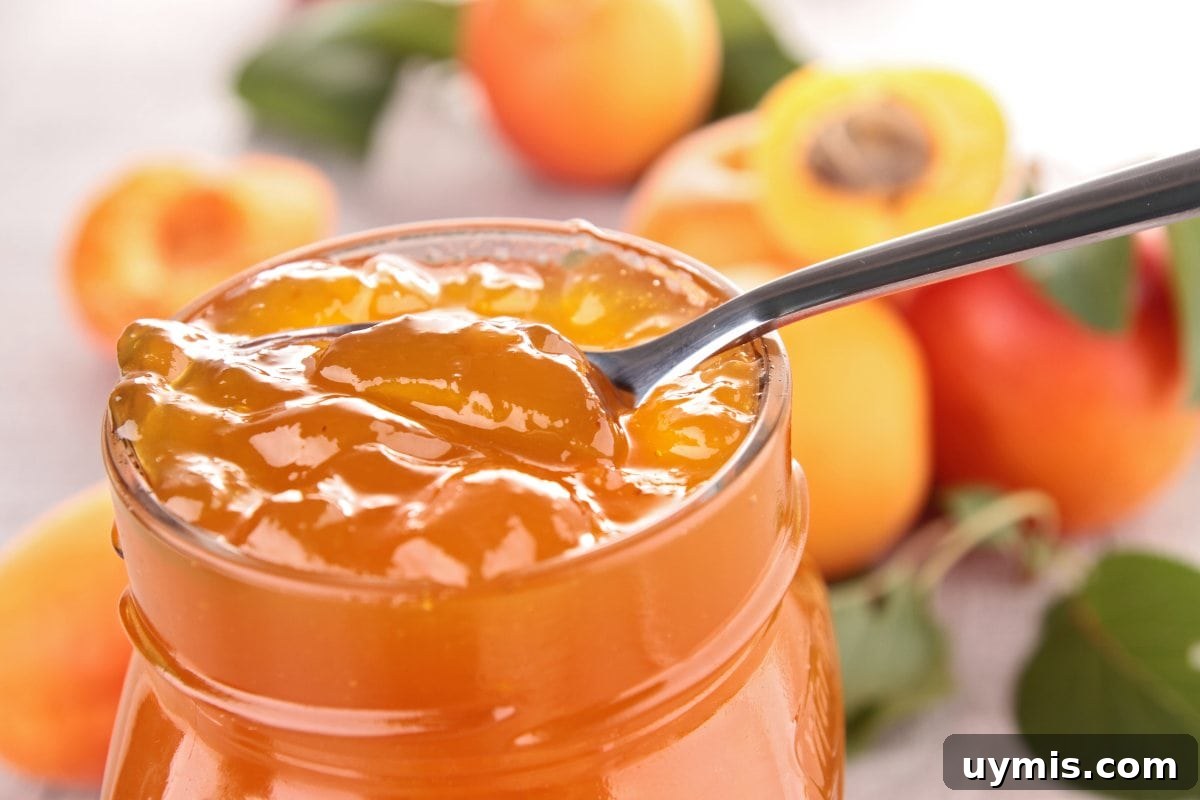
Apricot jam adds a bright, fruity sweetness to many dishes, but if you don’t have any on hand—or you simply want to try something different—there are numerous tasty substitutes that replicate its sweetness, texture, and versatility.
Below we outline the best alternatives to apricot jam, explain when to use each one, and offer simple tips for swapping them into recipes from glazes and marinades to toast and pastries.
Best Substitutes For Apricot Jam
Apricot jam has a mild, sweet-tart flavor and a spreadable, slightly sticky texture. When replacing it, consider both flavor profile and consistency. The options below provide similar sweetness, body, or complementary flavors depending on your recipe.
Peach Jam or Peach Preserves
Peach jam is one of the closest substitutes because peaches and apricots are both stone fruits with comparable textures. Peaches are often a bit sweeter, but the flavor is similar enough to work in most recipes—spreads, tarts, glazes, and dressings.
Dried Apricots
If you have dried apricots, you can rehydrate and blend them into a quick jam. Chop the dried fruit, soak it in hot water until softened, then process to a smooth, thick consistency. This homemade approach preserves the authentic apricot taste without needing store-bought jam.
Orange Marmalade
Orange marmalade brings a citrusy tang and a similar sweetness and color to apricot jam. It will introduce zesty notes, so it’s particularly good where a bright citrus accent complements the dish—think glazes, sauces, or certain desserts.
Duck Sauce
Duck sauce, often made from apricots, plums, or peaches, offers a sweet-and-sour profile with added ingredients like vinegar and spices. It works well as a glaze, marinade, or dipping sauce for savory recipes, adding a more complex, tangy finish than plain jam.
Apple Butter
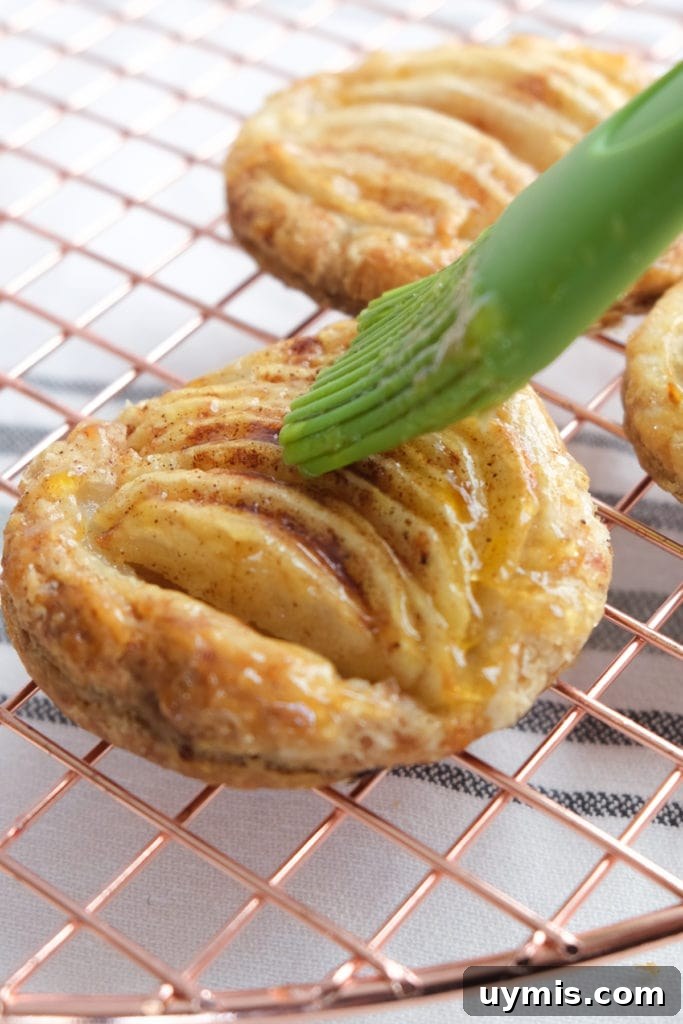
Apple butter is smooth and spreadable, made from slow-cooked apples seasoned with warm spices. It provides a rich texture comparable to jam and works well in baked goods and on toast, though it carries a distinct apple flavor rather than apricot.
Plum Butter
Plum butter offers a similar texture to apple butter with a deeper, slightly tart fruit flavor. It’s excellent for fillings and glazes and can be made at home in a slow cooker for a hands-off method. Plum butter’s concentrated flavor pairs nicely with both sweet and savory dishes.
Other Fruit Jams
Other stone-fruit jams—nectarine, plum, and cherry—make natural substitutes because of their comparable sweetness and texture. Berry jams such as strawberry, raspberry, or blueberry will change the flavor profile but still provide the sticky consistency and sweetness that many recipes require.
Ginger Jelly
Ginger jelly adds spice and brightness, which can create an interesting contrast with savory dishes or enhance certain desserts. Its flavor differs from apricot, but its balance of sweet and zesty notes can be a welcome twist.
Maple Syrup
Maple syrup is a handy pantry substitute when you need natural sweetness and depth. It’s more liquid than jam, so adjust quantities or reduce other liquids in the recipe if texture matters. Maple works well in glazes, dressings, and many baked goods.
Brown Sugar
Brown sugar provides sweetness and a mild caramel note but lacks the sticky body of jam. Use it when you only need to sweeten a recipe and don’t require the spreadable texture—such as in some sauces or batters.
Fruit Juice
Fruit juices like apple or pear can add sweetness and fruit flavor. Lemon juice adds acidity rather than sweetness and can be useful to brighten a dish. Keep in mind juices are thinner, so they won’t replicate jam’s thickness unless reduced into a syrup.
Honey
Honey is a natural, sticky sweetener that mimics jam’s texture and sweetness in many recipes. Different honeys bring distinct flavor notes, so choose one that complements the dish. Warm honey works well as a glaze or spread substitute.
Golden Syrup
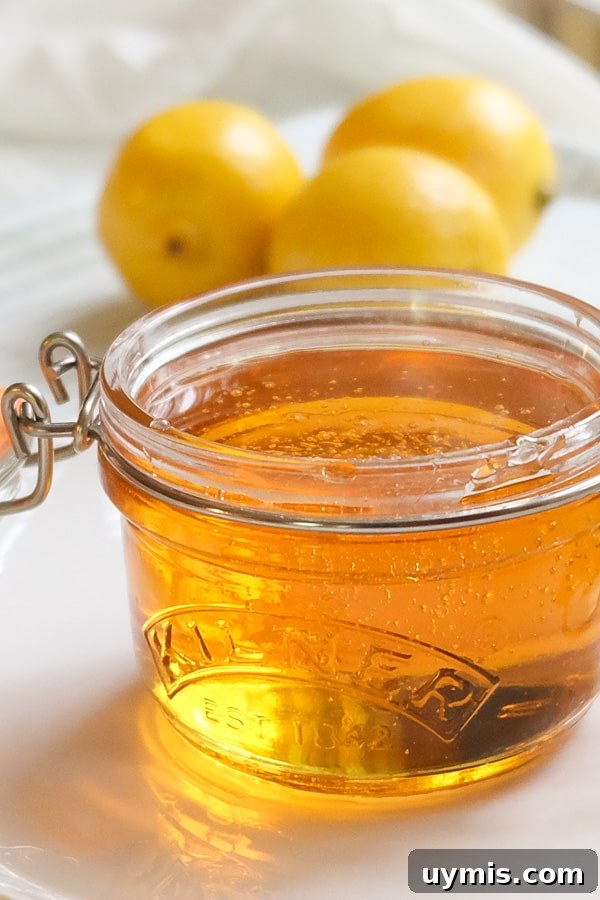
Golden syrup is a thick, buttery-sweet syrup that functions like honey in many recipes and is a popular vegan-friendly substitute. It works well in glazes, desserts, and sauces where a smooth, caramel-like sweetness is desirable.
If you want to make golden syrup at home, follow a reliable step-by-step recipe to achieve the correct flavor and consistency.
Agave Nectar
Agave nectar offers a mild sweetness similar to honey with a smooth, pourable texture. It’s useful when you want a less pronounced flavor but the same sticky consistency for dressings, glazes, or spreads.
Sugar Syrup
A simple sugar syrup—made by dissolving sugar in water—can replace jam in some applications. Reduce it slightly to thicken, or combine with mashed fruit to better mimic jam’s body and flavor.
Apricot Jam FAQ
What Is Apricot Jam?
Apricot jam is a fruit spread made from ripe apricots, sugar, and often a touch of lemon juice. It has a balanced sweet-tart flavor and a smooth, spreadable texture that works well in both sweet and savory dishes.
Its tartness and sweetness, along with the sticky consistency, are key qualities to consider when choosing a substitute. Apricot jam is commonly used in baking, as a glaze, or simply spread on bread and pastries.
What Are The Uses of Apricot Jam?
Apricot jam is versatile: spread it on toast, scones, or biscuits; use it as a filling for cakes, tarts, and pastries; or brush it over fruit tarts and roasted meats as a glaze. It also works well in marinades, salad dressings, and sauces to add a fruity uplift.
What Is Apricot Jam Made Of?
Traditional apricot jam is made from ripe apricots cooked with sugar and a little lemon juice until the fruit breaks down into a soft, spreadable preserve. This simple composition explains why many other fruit-based spreads or sweeteners can successfully stand in for it when needed.