
The perfect cup of coffee is how I begin most mornings. A bold, well-brewed cup lifts my mood and helps me focus—so I’ve gathered the tips I use to make coffee that truly satisfies.
Below I’ll cover how I transitioned to drinking coffee black, the essentials for brewing a great cup, my approach to cold coffee, and a simple explanation of roast levels so you can choose beans you’ll enjoy.

Table of Contents
- We appreciate your support
- A good start to the day
- How I removed cream and sugar
- How to brew the perfect cup
- What roast levels mean
- How to make cold coffee
- Let’s keep in touch
- Enjoy your bold coffee
We appreciate your support
If you have questions about any of these tips, please leave a comment. I read feedback and try to respond. I write for readers at all experience levels, so I do my best to clarify common questions in the post. If something is unclear, ask and I’ll help.
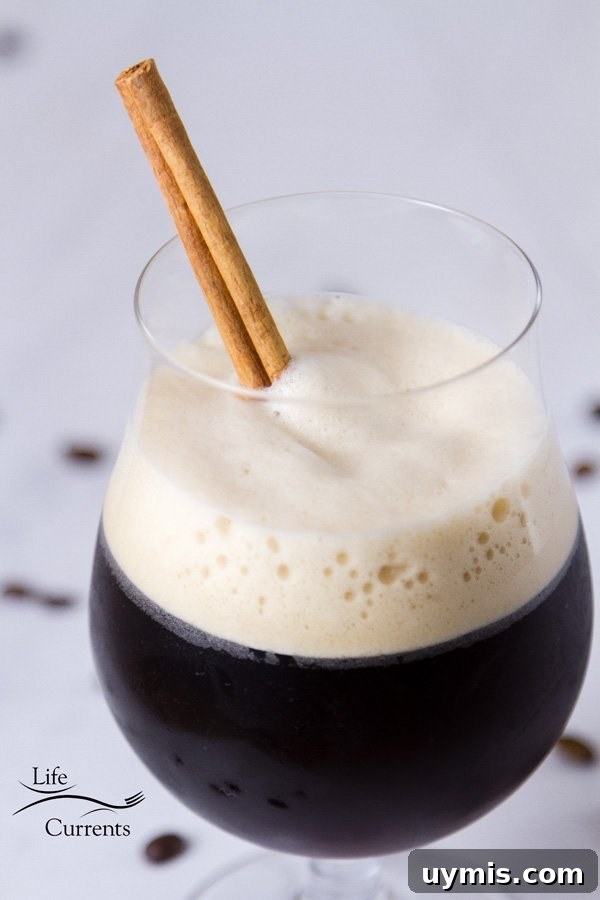
A good start to the day
Coffee is my ally for staying focused and productive. I usually begin with a bold cup of black coffee—simple, bright, and dependable. That said, I didn’t always drink it black. For years I added cream and sugar or bought creamy, flavored beverages. Over time I discovered that a well-brewed black coffee offers more flavor complexity and fewer empty calories.
If you want a dedicated spot for coffee at home, a small coffee nook with your pot, beans, and minimal tools makes the ritual more enjoyable and consistent.

How I removed the cream and sugar
I transitioned gradually rather than stopping abruptly. Reducing milk and sugar step by step makes the change manageable and helps you appreciate the coffee itself.
If you’re used to cream and sugar, try these practical steps:
- Reduce the milk or cream a little each day until you no longer need it.
- If you use two sugar cubes or two spoons, cut back to one and enjoy that until it feels normal.
- Try a larger mug so the sugar-to-coffee ratio is lower while you adjust.
- Eventually eliminate the sugar; a good bean and proper brewing will deliver satisfying flavor on their own.
Switch to black coffee
My approach was simple: slowly reduce additions and pay attention to the coffee itself. Over time my palate adapted and I began to enjoy the natural flavors—acidity, sweetness, and body—without extras.
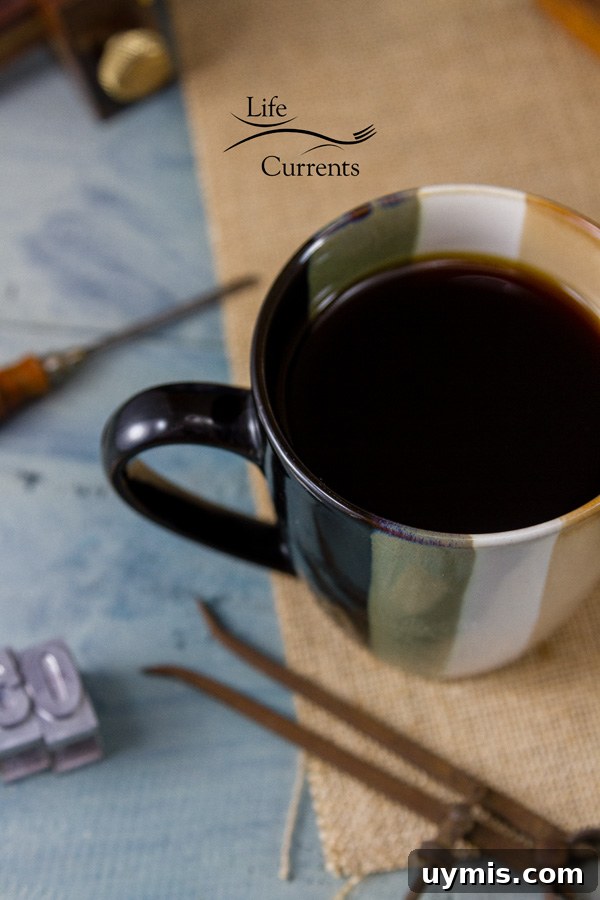
How to brew the perfect cup of coffee
I prefer a reliable automatic drip coffee maker for everyday coffee. It’s convenient and produces consistent results when you follow a few basics.
- Rinse the carafe and filter basket after each use to remove leftover grounds and oils.
- Use unbleached paper filters for cleaner flavor.
- Use a medium grind—too fine can make coffee bitter; too coarse can make it weak and flat.
- Use cold, filtered water. Warm water can introduce off-flavors and is more likely to pick up minerals from plumbing.
- Measure: a good starting ratio is 2 tablespoons of ground coffee per 6 ounces of water. Adjust to taste.
What roast levels mean
Roasting transforms green beans into the flavors we associate with coffee. As beans roast they darken, oils surface, and the flavor profile shifts.
- Light roast: Lighter color, brighter acidity, and more of the bean’s original flavors. Often higher perceived caffeine and no surface oil.
- Medium roast: Balanced flavor and body, a good middle ground for many drinkers. No oily surface and pleasant complexity.
- Dark roast: Richer, deeper flavors with heavier body and some surface oil. Dark roasts can show smoky or bittersweet notes—great for a bold, evening cup.
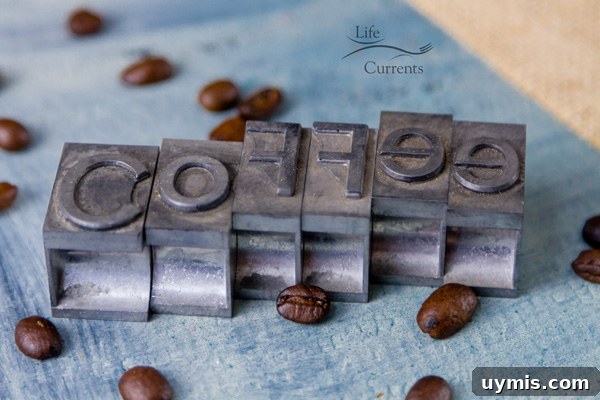
How to make cold coffee
Cold coffee doesn’t have to come from an elaborate cold-brew process. My preferred method uses the same brewer as my hot coffee but avoids over-extraction and bitterness.
My favorite way to make cold coffee
Brew coffee normally on your drip machine. As soon as brewing finishes, remove the carafe from the hot plate, turn off and unplug the machine, and let the coffee cool to room temperature. Once cooled, refrigerate it. This keeps flavors clean and avoids the heavier bitterness that can come from prolonged cold extraction.
- Choose a quality bean and a medium grind.
- Brew with the same coffee-to-water ratio you use for hot coffee.
- Stop overheating by removing the pot from the warming plate immediately.
- Cool to room temperature, then chill in the refrigerator.
Let’s keep in touch
If you enjoy these tips, please leave a comment to share your experience or questions. I love seeing photos and hearing how others prepare their coffee rituals.
Enjoy your bold coffee
Savor the aroma and the moment. Whether you prefer a bright light roast or a deep dark roast, a carefully brewed cup can make a regular morning feel a little more intentional. Take time to notice the flavors and enjoy both the coffee and the day.