
Welcome back to the Christmas Around the World Series on The Storied Recipe Podcast!
This series began as a crowd-sourced post titled Christmas Desserts Around the World. As the Storied Recipe community shared cherished holiday recipes and memories, I wanted to hear more. I expanded several contributions into a mini-series on Christmas traditions across the globe. Find the full series on The Storied Recipe website.
Welcome Kate!
Today we’re joined by Kate Jack from South Africa to talk about celebrating Christmas during summer. From succulent wreaths to relaxing around a floating pool bar, Kate shares vivid memories and seasonal traditions. She also shares her aunt’s recipe for Peppermint Crisp Pudding and explains a simple method for making caramel from sweetened condensed milk. This episode is full of heartwarming details — welcome, Kate!
Highlights
- Rainy Christmas days versus sunny ones
- Spray-on snow and Northern Hemisphere imagery in a warm climate
- The trend to “Africanize” Christmas decorations with local materials
- Succulent wreaths as a South African holiday accent
- How Father Christmas fits into summertime celebrations
- Practical, low‑key holiday meals for hot weather
- How to make caramel by simmering sweetened condensed milk

Listen to Kate Now
Listen to the full conversation on The Storied Recipe podcast via your preferred podcast app.
Follow The Storied Recipe in Your Favorite Player
Subscribe to The Storied Recipe in the podcast app you use most to receive new episodes as they publish.
Kate’s Storied Recipe: Peppermint Crisp
Kate shared a family favorite: Peppermint Crisp Tart. The Storied Recipe features a recipe titled “South African Peppermint Crisp Tart (with Substitution Ideas)” that outlines ingredients and substitutions for readers wanting to recreate this layered dessert at home.
Related Episodes
-
161 Christmas in Indonesia with M. Aimee Tan
-
160 Christmas in Bruderhof with Diana Rutherford
-
159 Christmas in Ecuador with Sofia Alarcon
-
Christmas Traditions Around the World (Podcast Interviews)

Related Recipes
-
Old Fashioned Fudge Recipe and Top Tips
-
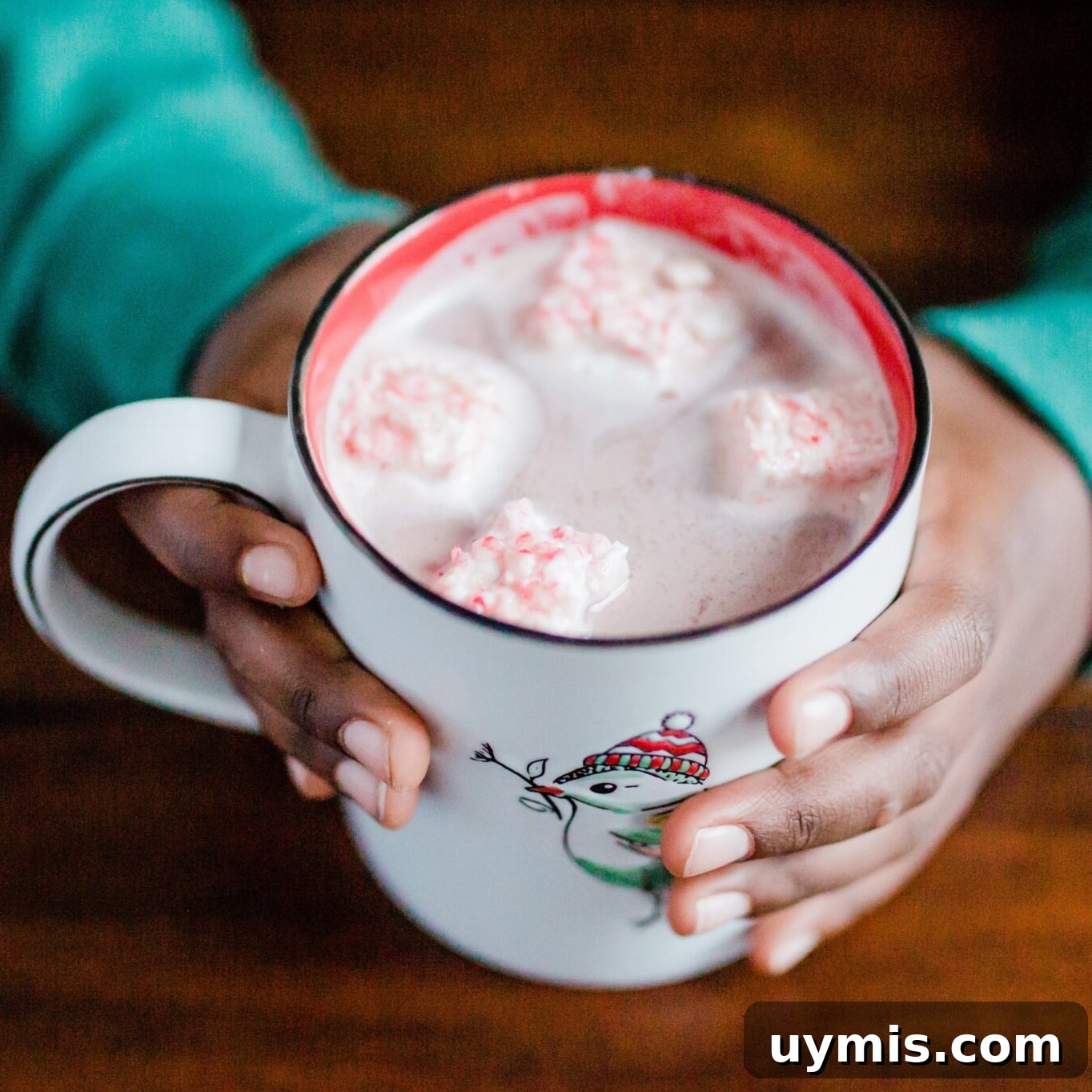
Hot Chocolate Recipes from Around the World
-
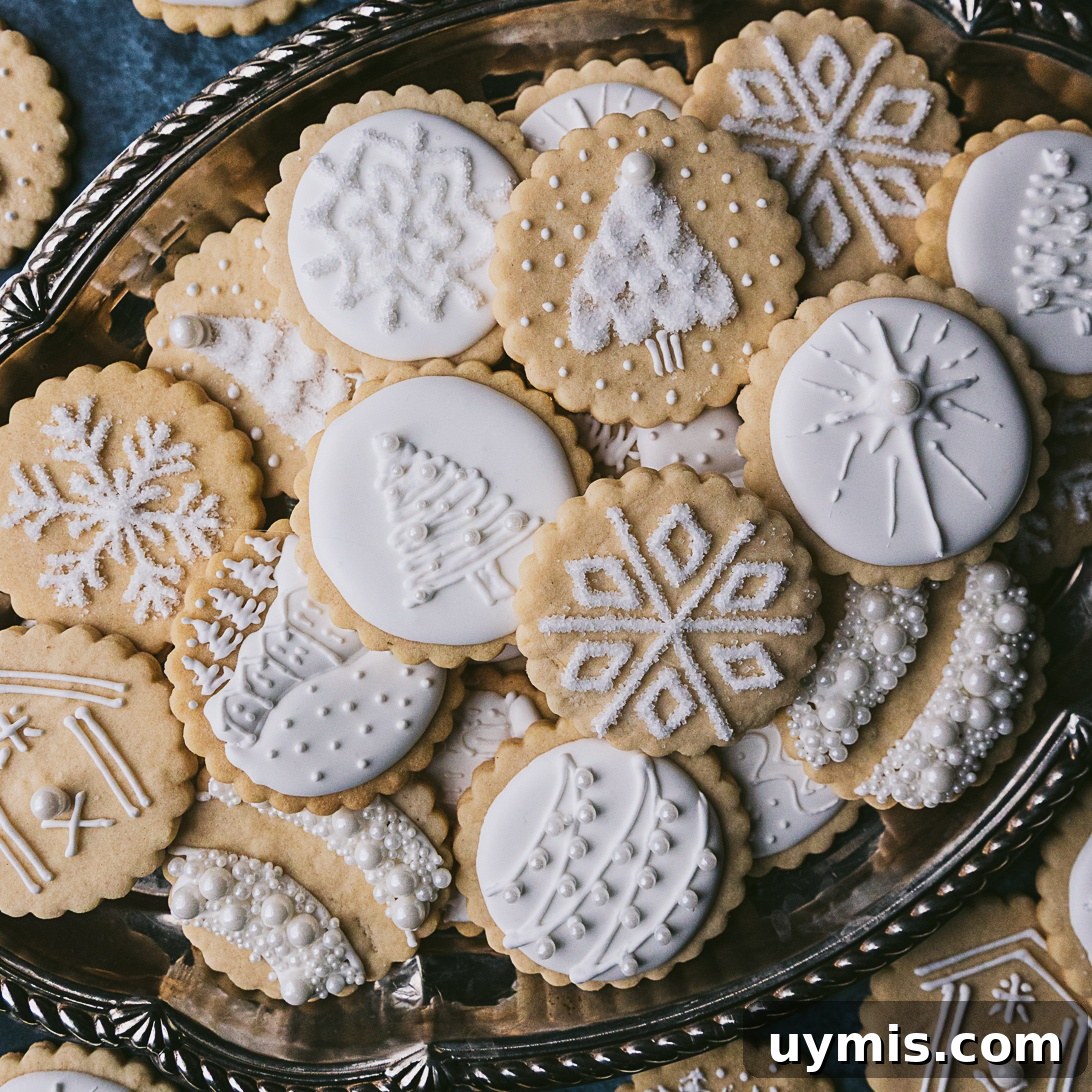
International Cookie Exchange: 27 Christmas Cookie Recipes
-
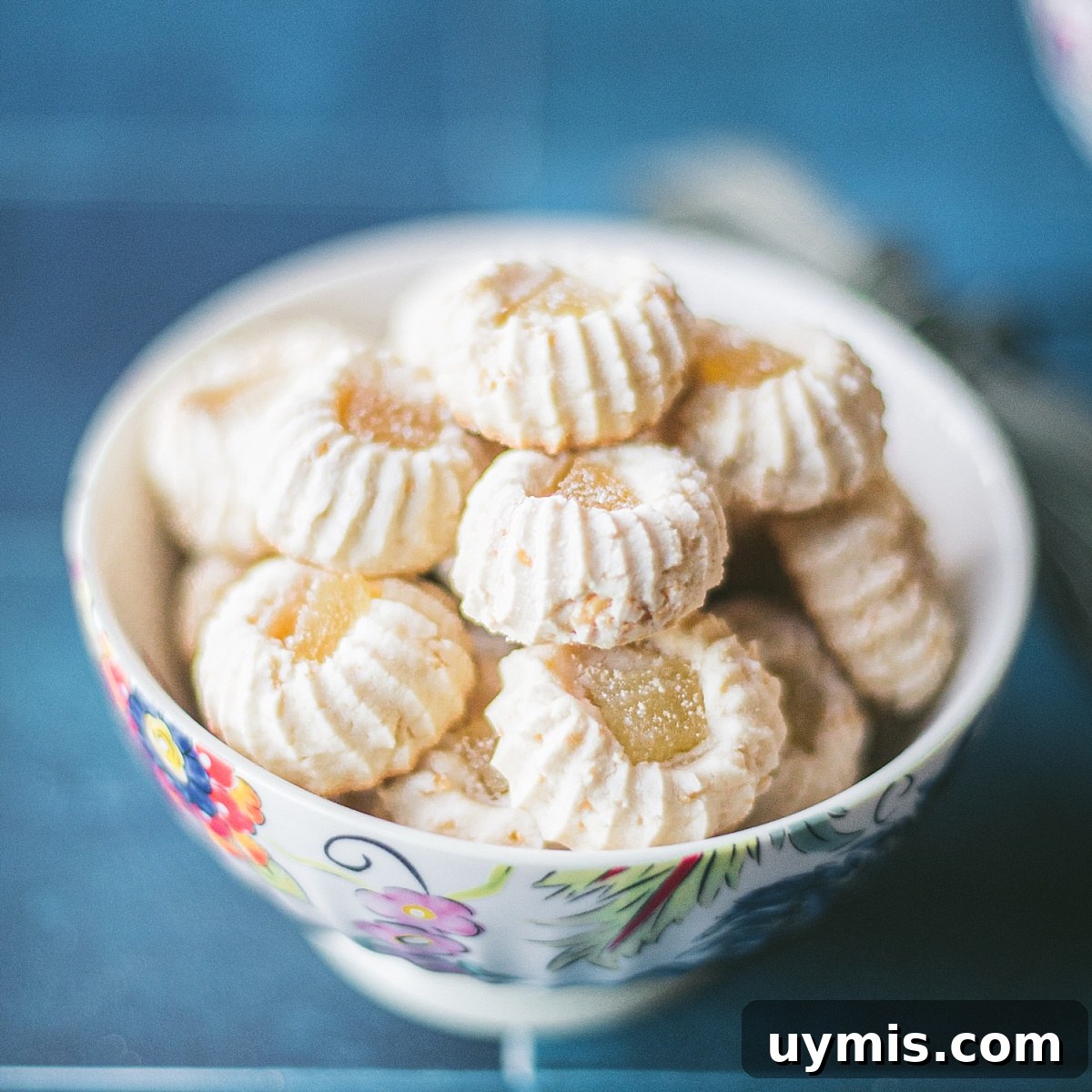
Indonesian Butter Cookies with Pandan, Cheese, and Coconut
Transcript
Becky Hadeed: Hello, Kate — how are you?
Kate Jack: I’m well, thank you. Looking forward to our conversation.
Becky Hadeed: Great. To start, tell us a little about South Africa’s size, time zones, and climate differences. Is Christmas weather fairly consistent across the country?
Kate Jack: South Africa uses one official time zone. The climate varies: the west gets winter rainfall while the east sees summer rains and can be more tropical. Northern regions can be drier or semi-arid. But everywhere celebrates Christmas in the middle of summer, with temperatures often in the mid-20s to low 30s Celsius (around 77–95°F). We usually have dry, warm days, though it can occasionally rain on Christmas.
Becky Hadeed: How do those warm conditions shape holiday decorations? I imagine many Christmas images show snow and evergreen scenes.
Kate Jack: You’re right — we inherited a lot of Northern Hemisphere imagery. Growing up we used fake spray-on snow, conifer trees, tinsel, and snowy cards. In recent years there’s been a trend to incorporate African elements: beadwork, local fabrics like Shweshwe, and succulents. For example, my mother makes wreaths of succulents instead of pine branches, which looks beautiful and suits our summer gardens.
Becky Hadeed: Succulent wreaths sound lovely. Are succulents common in South Africa?
Kate Jack: Many succulents grow locally and in gardens; some species do grow wild. They’re easy to propagate and popular, so they need protection in places where they’re over-collected. My mother grows them and uses cuttings to make wreaths.
Becky Hadeed: What about Christmas trees?
Kate Jack: Pine trees are common and there are pine plantations. Some households use indigenous trees, such as yellowwood, either potted or grown in the garden, and decorate them for the holiday.
Becky Hadeed: How do kids treat Father Christmas in summer — do Santa and his reindeer still make sense?
Kate Jack: Absolutely. We usually call him Father Christmas. Fireplaces aren’t common, so many families leave a window open for him. We set out treats — mince pies, a glass of port or sherry for Father Christmas, and carrots for the reindeer.
Becky Hadeed: Is Christmas mostly religious or secular in South Africa?
Kate Jack: It depends on family and community. South Africa is culturally diverse, so some families emphasize religious observance, others focus on family gatherings, food, and gift-giving. Commercial traditions — decorated shops and carols — are widespread.
Becky Hadeed: What does Christmas lunch look like in your family?
Kate Jack: We typically have a large midday lunch with extended family. Because it’s warm, food is often cold or served at room temperature: a variety of salads, sliced gammon (a smoked ham-like joint), roast meats served cold, chicken, and beef fillets. Meals are informal — picnics, blankets, and people sharing dishes. Everyone contributes so preparation is shared.
Becky Hadeed: Your family’s must-have dessert is Peppermint Crisp Pudding. Describe its layers and the key ingredients.
Kate Jack: Peppermint Crisp Pudding is a beloved layered dessert. The basic components are a caramel layer made from caramelized sweetened condensed milk, layers of plain biscuits (often Tennis biscuits, which contain a touch of coconut), whipped cream or cream mixed with caramel, and a sprinkling of chopped Peppermint Crisp chocolate bars — a South African candy with crispy peppermint centers coated in chocolate. The final dessert is usually frozen or chilled so the layers meld into a gooey, creamy sweet treat.
Becky Hadeed: I tested an Americanized version using peppermint‑flavored Crunch bars as a substitute, and it worked well enough. Can you explain how families make the caramel from condensed milk?
Kate Jack: Many people buy ready-made caramel in South Africa, but you can make it at home by simmering unopened tins of sweetened condensed milk in a pot of water for a few hours. Remove any paper labels and ensure the cans are fully covered with water while simmering at a low temperature; this slowly caramelizes the sweetened condensed milk into a thick, golden dulce de leche. Take care with seals and make sure cans remain submerged — that process creates the classic caramel layer.
Becky Hadeed: How is the finished pudding served?
Kate Jack: It can be assembled a few weeks ahead and frozen, then defrosted before serving. The dessert is flexible: some families mix the caramel directly into whipped cream, others layer the components separately. Freezing helps with prep and makes serving easier on the day.
Becky Hadeed: Beyond Christmas Day, what does the season feel like? Are there school events and community carols?
Kate Jack: Yes. Schools often hold end-of-year carol services or nativity plays, and shopping centers adopt seasonal displays and carols. In many homes people put up lights, and public gardens host outdoor carol events. Since the school year ends around December, families are already in holiday mode — children might receive stationery and school supplies in stockings for the year ahead. The period between Christmas and New Year is also a common holiday time, with families relaxing, going to the beach, or having barbecues.
Becky Hadeed: You mentioned a fun pool tradition — tell us about the “lilo” pool bar.
Kate Jack: A lilo is an inflatable raft. After Christmas, it’s common to fill small inflatable loungers or rafts with ice and drinks and float them in the pool. Guests lounge in the pool or at the pool edge while the lilos act as floating drink holders — a relaxed, summery way to socialize during the holidays.
Becky Hadeed: Thank you, Kate. This conversation offered vivid images of a sun-warm, relaxed holiday full of family food, creative decorations, and a uniquely South African dessert. Any last thoughts?
Kate Jack: Just that these traditions are about family, adaptability, and enjoying the season in the climate we have. Peppermint Crisp Pudding is a reunion favorite for us — simple, make‑ahead, and loved by everyone.
Becky Hadeed: Thanks again for joining us. For listeners interested in Kate’s recipe, check The Storied Recipe site for the full Peppermint Crisp instructions and substitution ideas. This series includes episodes from many countries — thank you all for listening.