
What do bacon and flowers have in common? Not much, but before I share my method for baking bacon in the oven I wanted to show what’s blooming in the garden this week. Last week it was lilacs; this week the purple irises are stealing the show. After living in this house for thirteen years and dividing and moving iris clumps many times, we now have dozens of purple and blue blooms scattered throughout the yard.
Irises are truly exquisite.


Behind the garage, overlooking the vegetable beds, False Blue Indigo is filling in, and the columbine are opening their delicate blooms in the shadier parts of the back yard.


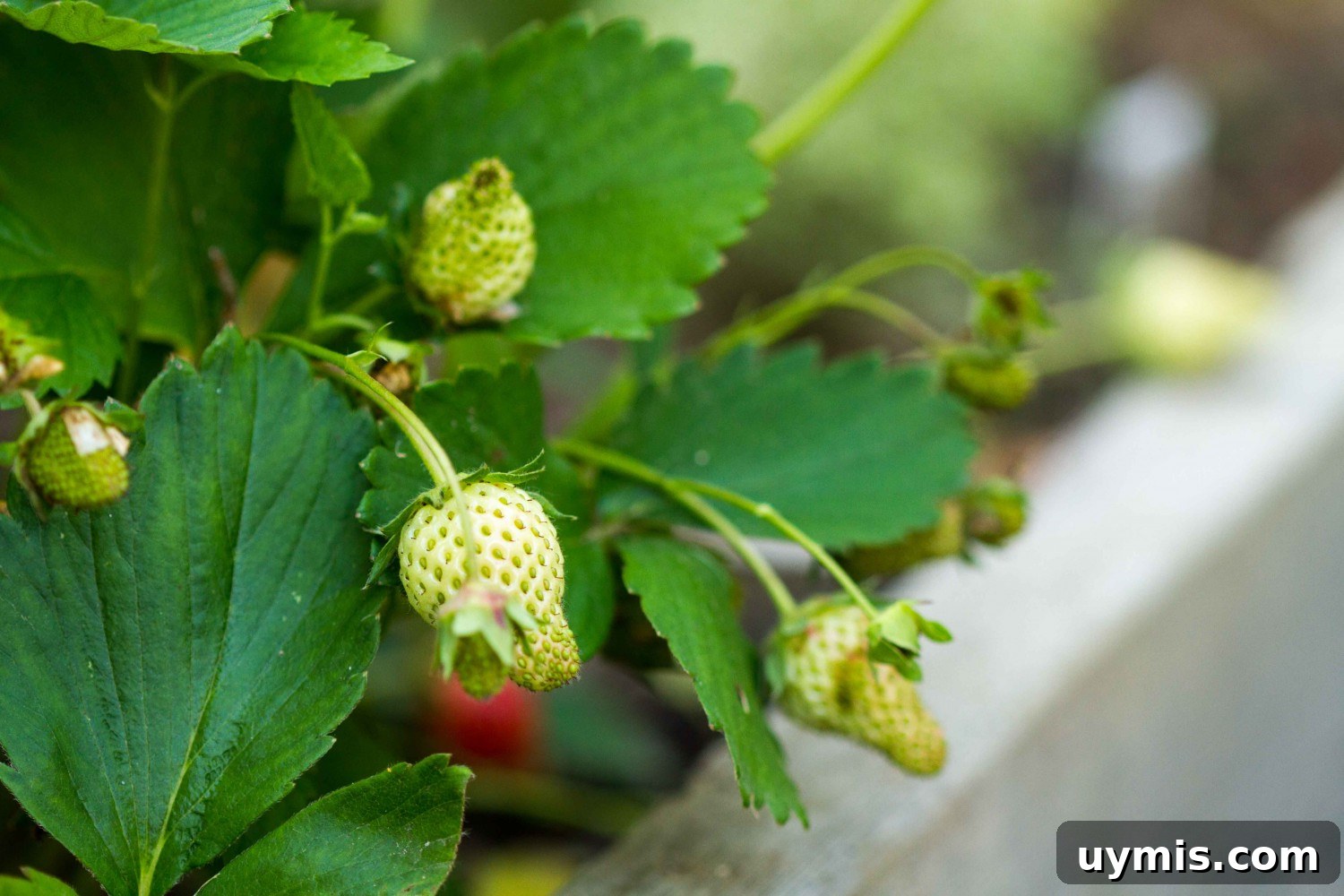
Next to the flower beds are three raised beds where we planted a square-foot vegetable garden. The strawberries have their own patch in one bed, and I’ve already spotted small fruit forming beneath the bright green leaves—always an exciting sight.

How To Bake Bacon In the Oven
Before adopting a paleo approach I rarely cooked bacon at home. It felt like a forbidden treat and I didn’t bother to learn a reliable method. Today I cook bacon occasionally and prefer a simple, consistent oven technique that yields evenly cooked, crispy results with minimal mess. This method is ideal for batch cooking and for feeding multiple people without splattering grease across the stovetop.
Bacon can fit into a healthful diet when chosen and enjoyed thoughtfully. If you eat bacon regularly, try to source high-quality, humanely raised bacon free of antibiotics, hormones, and unnecessary additives. When buying conventional bacon, choose nitrate- and nitrite-free options whenever possible and look for brands you trust.
Baking Bacon in the Oven
Follow these simple, reliable steps to bake bacon in the oven for perfectly crisp, evenly cooked slices:
Step 1 – Buy good quality bacon. Higher-quality bacon tends to have better flavor and fewer additives.
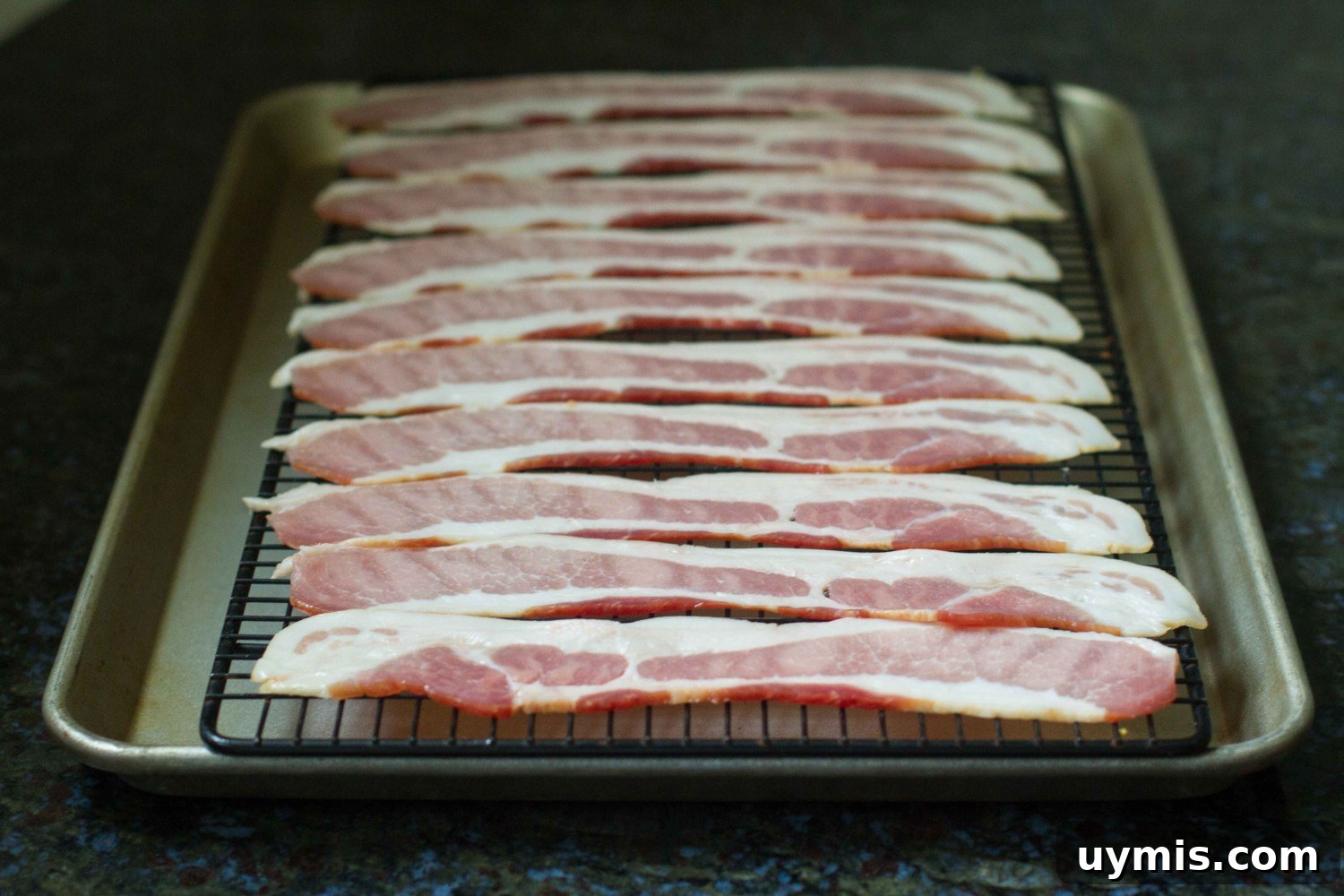
Step 2 – Arrange the bacon in a single layer on a rimmed sheet pan. You can place it directly on foil-lined pan for easy cleanup, or set the strips on a wire rack over the sheet pan if you prefer the fat to drip away from the meat. Both approaches work; the rack will help the bacon crisp more evenly, while cooking directly on the pan is simpler and still effective.
Step 3 – Put the pan in a COLD oven. Do not preheat.
Step 4 – Set the oven to 400°F (204°C) and start timing once the temperature begins to rise. Set an initial timer for 20 minutes.
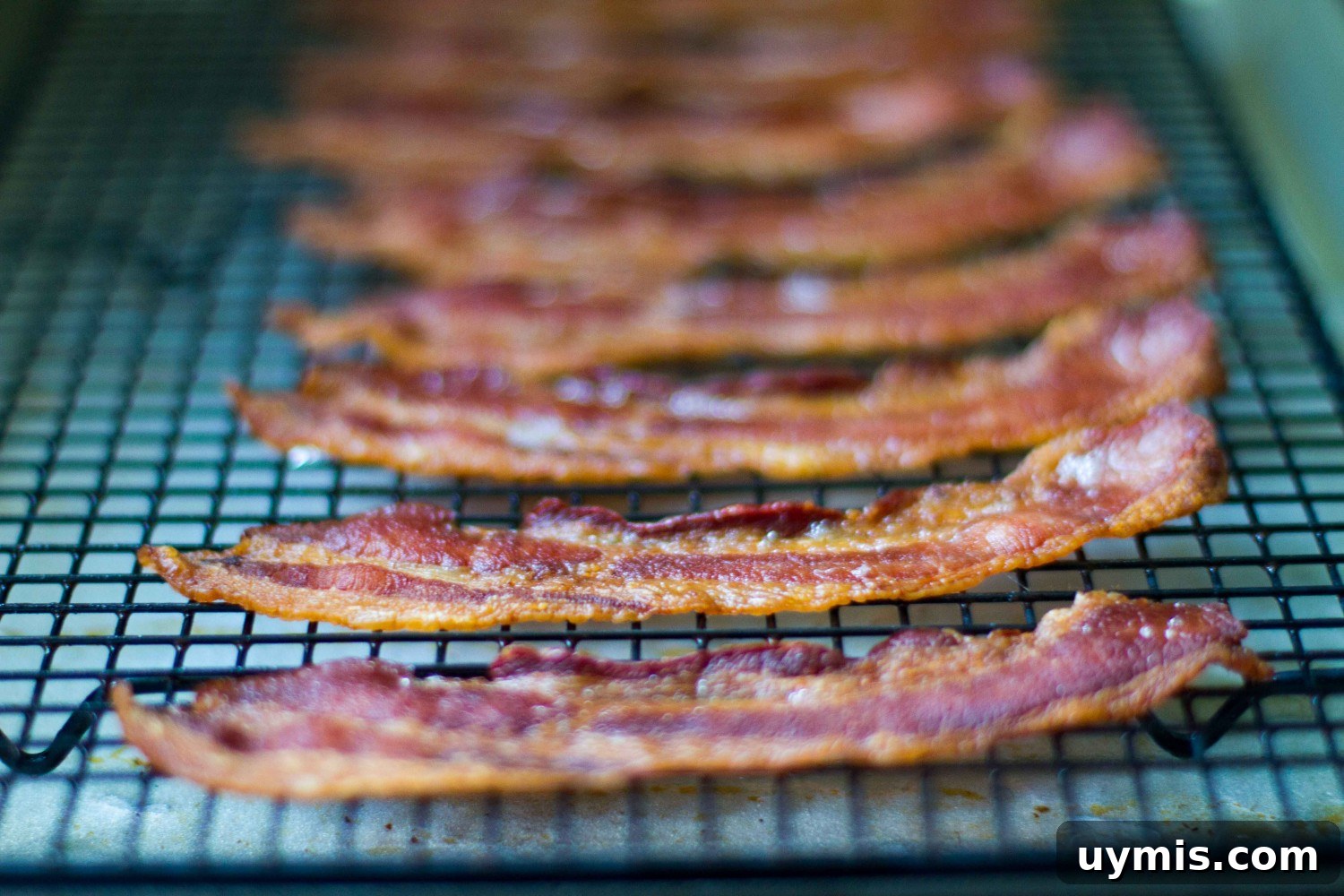
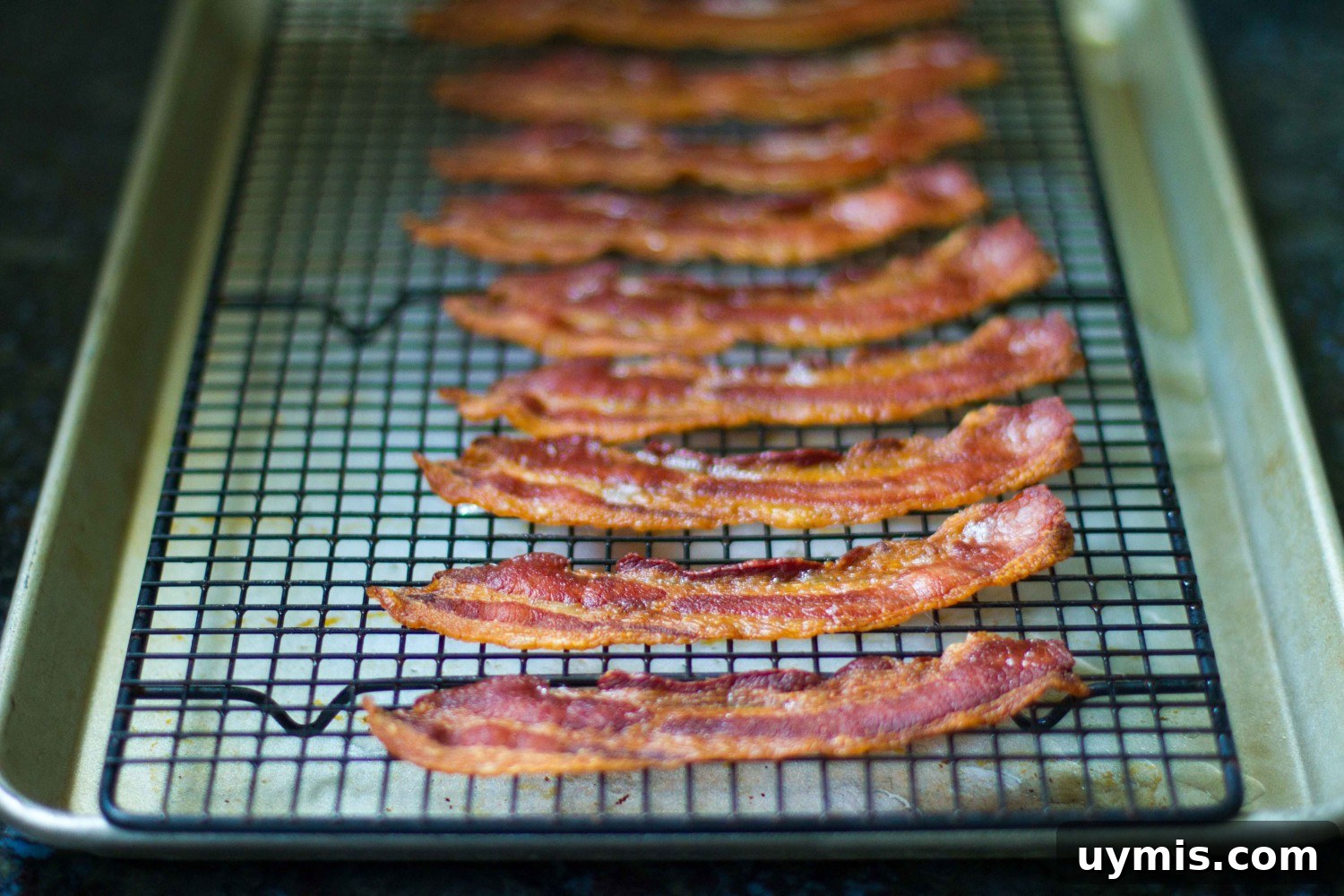
Step 5 – Check the bacon at about 20 minutes. Thickness and personal preference determine the final time: thin bacon may be done at 18–20 minutes, while thicker-cut slices can take 25 minutes or more. For very crispy bacon, mine took about 25 minutes.
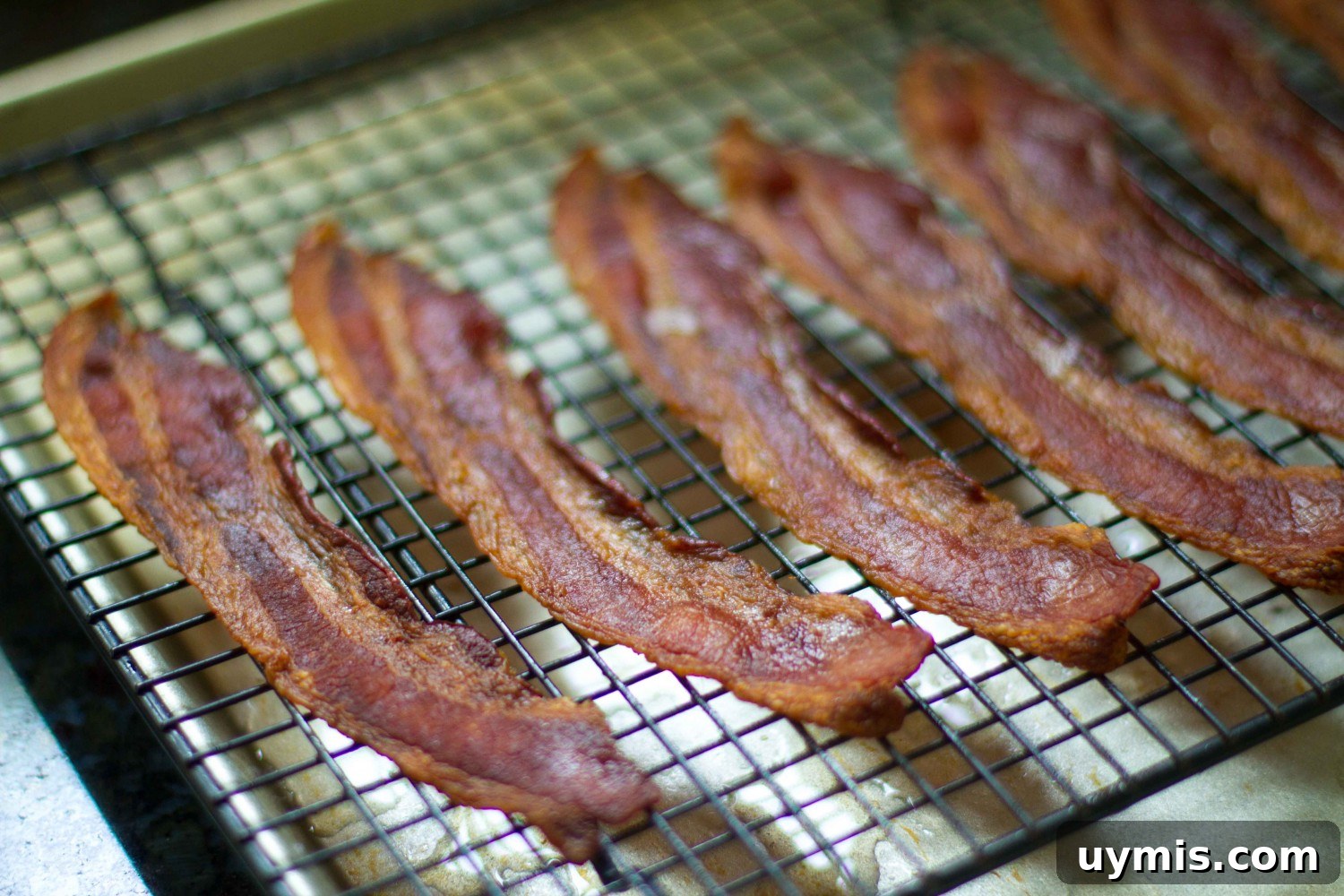
Step 6 – Remove the bacon and let it rest briefly on paper towels if desired to blot excess grease, then serve.
This oven method keeps bacon from sitting in its own fat when using a rack, and cleanup is much easier when the pan is lined. If your bacon is high quality, save the rendered fat; strain it and store in a glass jar in the refrigerator. Bacon fat adds savory flavor to roasted vegetables, sautéed greens, and other dishes.
That’s all there is to it—an easy, low-mess way to bake bacon in the oven that consistently delivers crispy, flavorful slices without the splatter and fuss of skillet frying.
Thanks for reading. Do you eat bacon often, and do you seek higher-quality sources when you buy it? Share your approach and any tips you use when cooking bacon at home.
Find Paleo Spirit on Facebook and Pinterest.