
7 Food Storage Mistakes – And How to Avoid Them!
In this article I cover seven common food storage mistakes and how to avoid them as you set up or maintain your Prepper Pantry. I’ve made some of these mistakes myself, so these are practical tips you can apply right away to make your food stores safer, more useful, and longer lasting.
Creating a Prepper Pantry for Food Storage
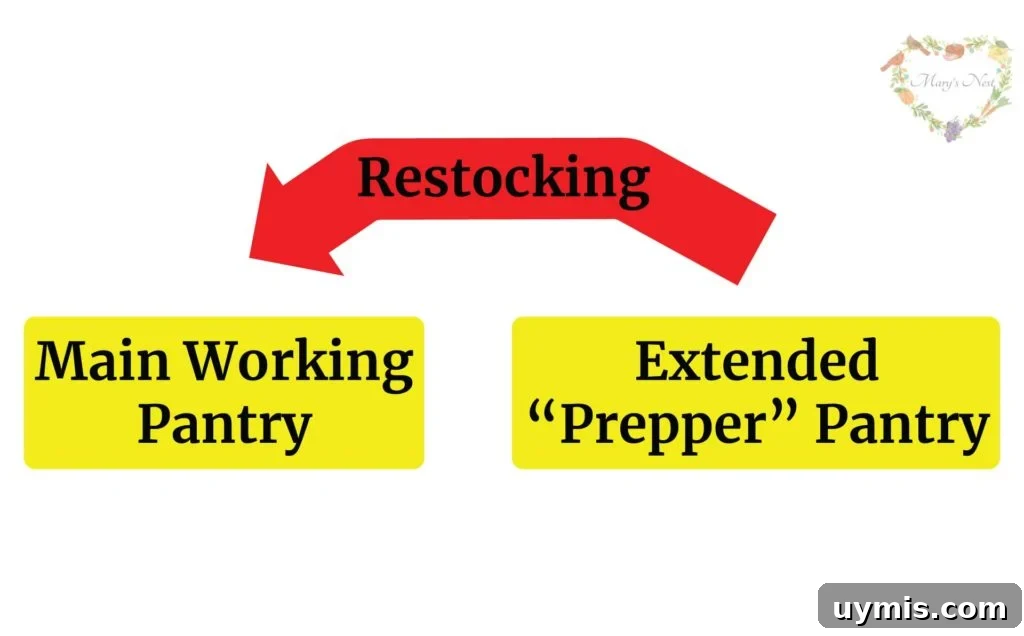
Your home food storage is made up of four main areas I call the Four Corners Pantry: the Working Pantry, the Refrigerator, the Freezer, and the Extended or Prepper Pantry. You use your Working Pantry daily for ingredients and short-term supplies. Perishables live in the fridge and freezer, while long-term non-perishables are kept in the Prepper Pantry.
A Prepper Pantry is a dedicated area for long-term non-perishables. As you use items from your Working Pantry, you replace them from your Prepper Pantry, then restock when you shop. You can build this pantry slowly on a budget, or you can accelerate stocking when prices are favorable or supply concerns arise.
On this site I share several approaches: building a pantry on a small weekly budget, faster ways to build a pantry when needed, and how to create a short-term emergency pantry within your larger storage.
Backwoods Home Magazine
Many of the lessons I mention come from an older Backwoods Home magazine article about food storage mistakes. I read both Backwoods Home and Self-Reliance and find them helpful for anyone working toward greater self-sufficiency—whether you live in the suburbs or on a rural homestead.
These magazines cover topics useful for building a traditional foods kitchen and a Prepper Pantry. If you enjoy printed resources, check local used bookstores and back-issue racks for past editions—often great finds at low cost.
Mother Earth News Magazine
Mother Earth News is another resource I recommend for traditional food skills, gardening, and small-scale homesteading. They publish practical guides on growing, preserving, and using both food and medicinal herbs—topics that pair well with pantry building.
Need a Variety of Foods
One major mistake is a lack of variety. A pantry stocked with only one or two staple items will become monotonous and may lead to nutritional gaps or even food intolerances if relied on exclusively. Aim for diversity in grains, legumes, canned goods, and preserved produce so meals remain satisfying and nutritionally balanced over the long term.
Variety of Whole Grains for Food Storage
Whole grains store longer and preserve nutrients better than pre-ground flour, so keep a selection of grains in your long-term storage. I store several types of wheat berries and ancient grains such as Einkorn and Spelt. Rotating and grinding your own grains when needed gives you fresher, more nutritious flour for baking.
Variety of Types of Foods
Beyond variety within categories, build multiple streams of food. Grow what you can, preserve extra harvests, and keep store-bought canned goods and dried staples as backups. If one source fails—drought, supply interruptions, or seasonal limits—you’ll still have alternatives to rely on.
Vitamins in Food Storage
Another common oversight is neglecting vitamin-rich foods. Instead of relying solely on supplement tablets, include non-perishable whole foods that provide key nutrients—canned tomatoes, dried legumes, canned fish, and fortified grains can help supply vitamin C, B vitamins, and other essentials if supplements aren’t available.
Correctly Storing Items
Proper containers matter. Avoid storing bulk food in common trash bags—these can be treated with chemicals not intended for food contact. Use food-safe buckets, Mylar bags, oxygen absorbers, or airtight containers designed for food storage. Stack buckets safely and choose durable lids; Gamma lids are a popular option because they provide a secure, easy-to-use seal.
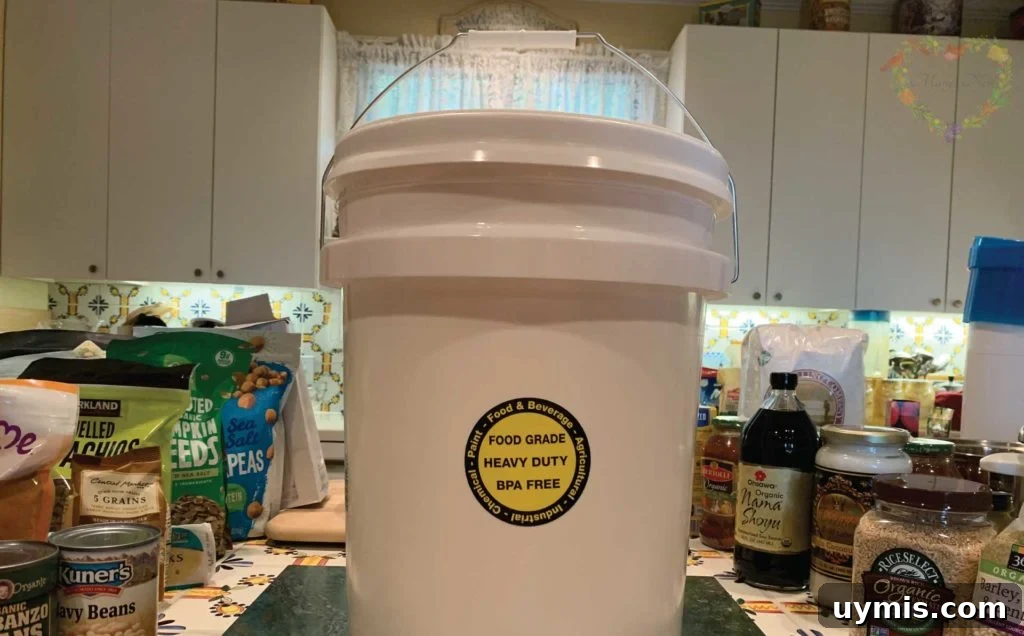
Learn about sealing methods, the difference between oxygen absorbers and desiccants, and other equipment that keeps long-term foods safe from moisture and pests.
How to Properly Store Whole Grains
Store whole grains in clean, dry, food-safe containers in a cool, dark place. Rotate stocks, label containers with purchase or packing dates, and mill grains into flour as needed to preserve freshness. Keeping a variety of whole grains and the means to grind them gives you the best combination of longevity and quality.
Cookin with Home Storage
Having a well-stocked pantry is only half the job—learning how to use those ingredients matters. Cookbooks and resources focused on cooking from stored foods offer many practical recipes and ideas for turning long-term staples into nourishing meals.
Search for Cookbooks and Magazines at Used Book Store
Used bookstores and library sales are excellent places to find cookbooks and back-issue magazines at very low cost. Printed books are a useful complement to online videos and articles, and they’re easy to consult when you need hands-on recipes or reference material away from a screen.
Grind Your Own Flour with the Mockmill
If you store whole grains, consider a quality grain mill to make fresh flour. A well-made mill lets you choose grind settings from coarse to fine and makes baking from stored grains simple and rewarding. I share unboxing and review posts where I discuss features, grind settings, and practical tips for home milling.
Download Your Free 36-Page Pantry List
For a detailed list of traditional foods and pantry staples to consider, look for printable pantry lists and checklists that include recipes and stocking recommendations. A written checklist helps you prioritize purchases and track what you already have.
Kitchen Academy Videos
If you want more in-depth tutorials, there are membership-style video series and community options that offer exclusive lessons on traditional foods, fermentation, milling, and pantry planning. These resources can accelerate your learning with focused demonstrations and Q&A sessions.
This summary highlights actionable steps to avoid common food storage mistakes: diversify your foods and sources, favor whole grains, store items in food-safe containers, include nutrient-rich non-perishables, and learn practical ways to use what you store. With a little planning and the right supplies, your Prepper Pantry can be both resilient and enjoyable to cook from.