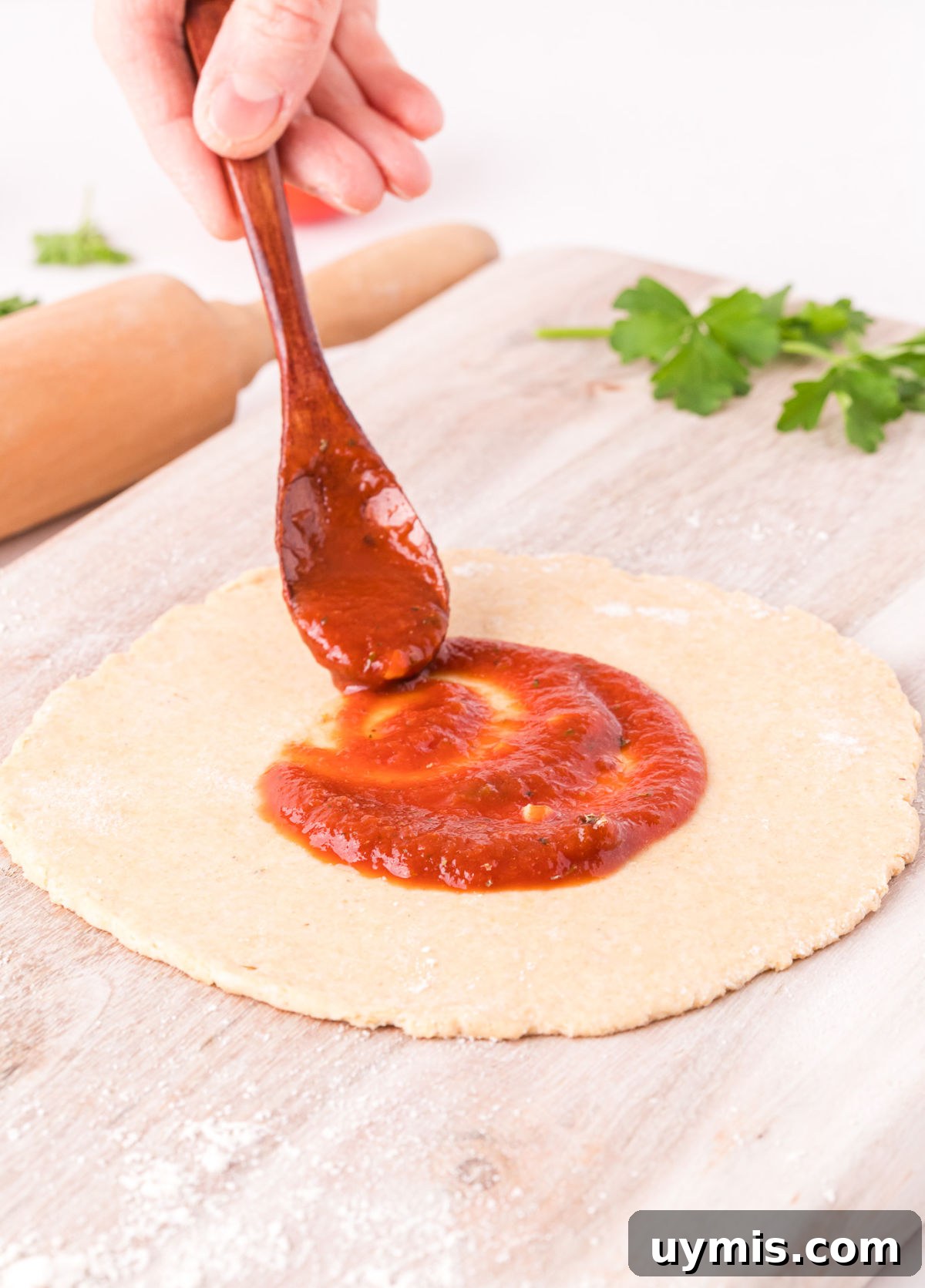
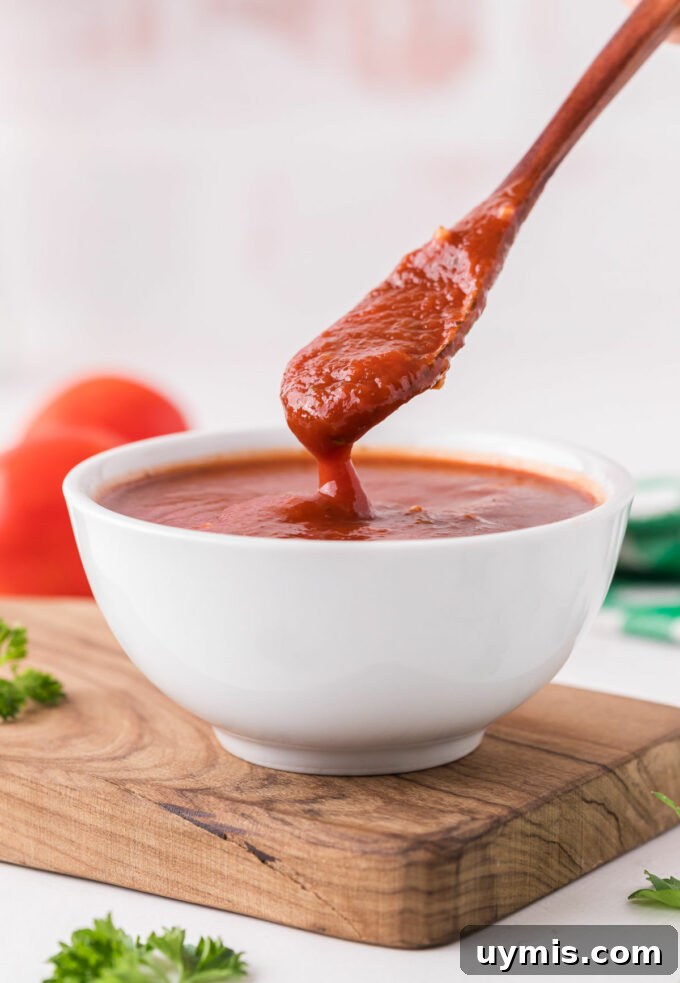
This homemade pizza sauce is quick, easy, and our family’s favorite for any pizza night. It requires no tomato paste and comes together in minutes, delivering a bright, balanced sauce that works on traditional, gluten-free, and vegetable-based crusts.
I spent years chasing the perfect sauce—sweet enough to tame tomato acidity, tangy enough to taste fresh, and seasoned so it complements cheese and toppings without overpowering them. Growing up with a dad who made his own dough and sauce, I’m a bit particular about what goes on my pizza. This recipe finally hits the balance we wanted, using simple pantry spices and strained tomato puree for a thick, smooth finish.
Ingredients and substitutions
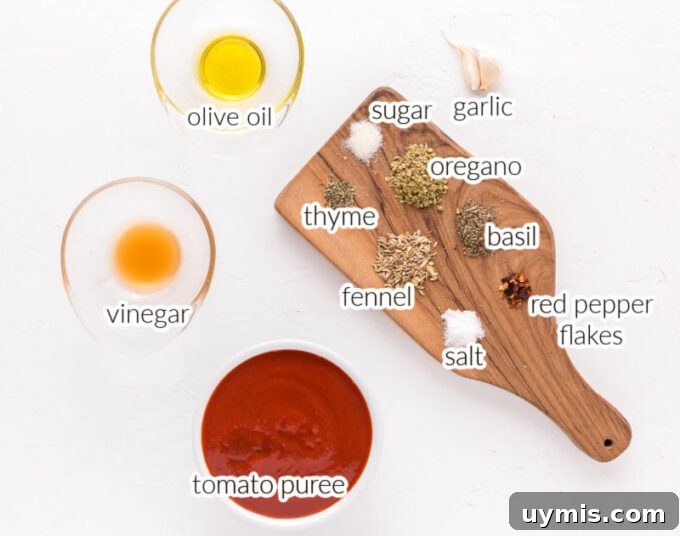
- Olive oil — extra virgin for flavor.
- Garlic — finely minced.
- Tomato puree — thicker than tomato sauce; you can use tomato sauce if you prefer a thinner texture. I recommend a quality strained tomato product for best flavor.
- Spices — dried oregano, dried basil, dried thyme, and fennel seeds.
- Sea salt — to taste.
- Sugar — optional; a small pinch helps balance acidity.
- Red pepper flakes — optional for heat.
- Red wine vinegar — brightens the sauce; apple cider vinegar works as a substitute in a pinch.
Recipe Steps
Follow these simple steps to make a flavorful pizza sauce in about 20 minutes.
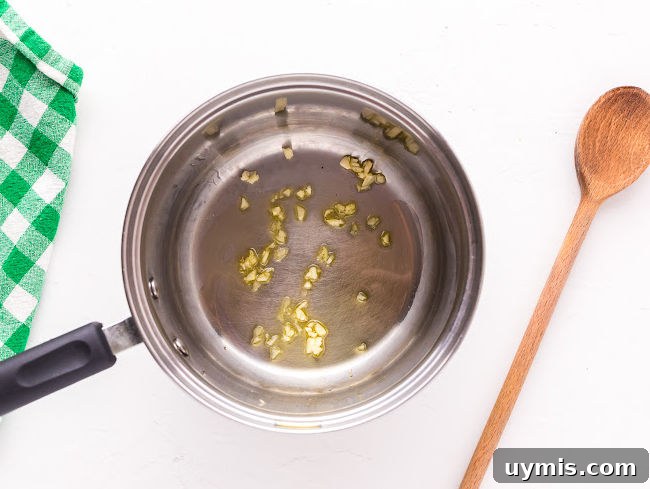
- Heat a small saucepan over medium-low heat and add the olive oil.
- Add the minced garlic and sauté briefly—just until fragrant, about 20 seconds. Avoid browning the garlic, which can turn it bitter.
- Pour in the tomato puree and stir to combine.
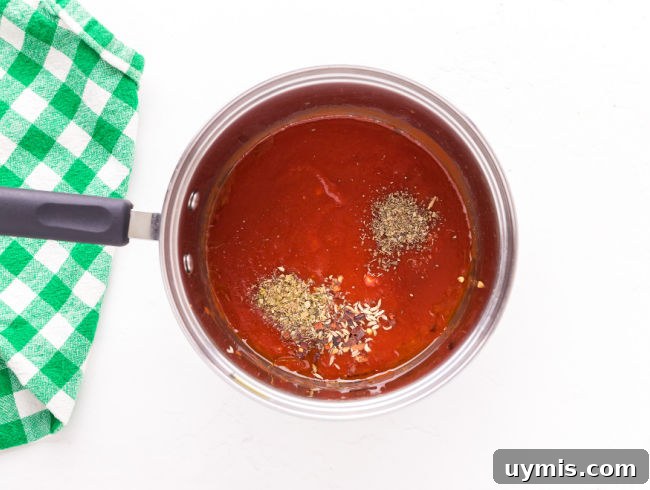
- Add the dried oregano, dried basil, thyme, fennel seeds, sea salt, and a pinch of sugar. If you like heat, add red pepper flakes now.
- Reduce the heat and let the sauce gently simmer for 5–10 minutes so flavors meld and the sauce thickens slightly.
- Remove from heat and stir in a splash of red wine vinegar to brighten the final flavor. Taste and adjust salt, sweetness, or acidity as needed.
Serving suggestions and crust ideas
This sauce pairs well with traditional hand-tossed dough and with any of the gluten-free crusts I often use at home. Try it with:
- Quinoa pizza crust
- Cauliflower pizza crust
- Zucchini pizza crust
- Red lentil pizza crust
- Coconut flour pizza crust
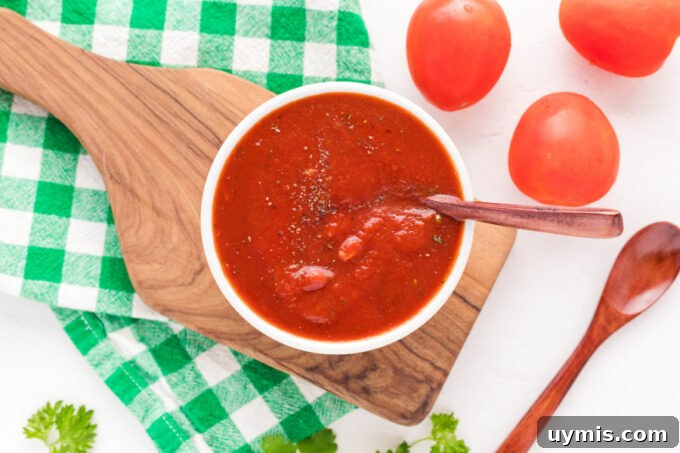
Spread a thin, even layer of sauce over your shaped dough, leaving a small border for the crust. Top with cheese and your favorite toppings, then bake according to your crust recipe’s instructions.
Tips, storage, and notes
This recipe yields a large batch; you can easily halve it if you only need sauce for one or two pizzas. It stores and freezes very well, making it a great meal-prep item.
To refrigerate: Cool the sauce to room temperature, transfer to an airtight container, and refrigerate. It will keep for about 5–7 days.
To freeze: Let the sauce cool, then portion into freezer bags or airtight containers, removing as much air as possible. Label with the date. Frozen sauce will keep for 3–6 months. Thaw overnight in the fridge and reheat gently on the stove or in the microwave.
Reheating and use: Gently warm the sauce before spreading on dough to make it easier to work with. If the sauce thickens too much after refrigeration, stir in a teaspoon of water or olive oil while reheating.
Variations: Add fresh chopped basil at the end for a brighter herbal note, or use a splash of balsamic vinegar for a slightly sweeter, richer finish. For a smokier profile, stir in a small pinch of smoked paprika.
Homemade Pizza Sauce
A simple, versatile pizza sauce with balanced sweetness, tang, and Italian seasoning—perfect for any pizza.
Prep Time: 5 mins | Cook Time: 15 mins | Total Time: 20 mins
Yields: About enough sauce for 3 large pizzas
Ingredients
- 1 teaspoon extra virgin olive oil
- 1 large garlic clove, minced
- 3 cups tomato puree (not tomato sauce)
- 1 teaspoon dried oregano
- 1 teaspoon dried basil
- 1/4 teaspoon dried thyme
- 1 teaspoon fennel seeds
- Scant 1/2 teaspoon sea salt, adjust to taste
- One big pinch granulated sweetener (sugar, coconut sugar, or similar) — optional
- 1/4 teaspoon red pepper flakes — optional
- 1 teaspoon red wine vinegar
Instructions
- Heat the oil in a saucepan over medium-low heat.
- Add the garlic and sauté until fragrant, about 20 seconds—do not brown.
- Add the tomato puree, dried herbs, fennel seeds, salt, and sweetener (if using). Stir to combine.
- Let the sauce warm through and simmer gently for 5–10 minutes so it thickens slightly and the flavors meld.
- Remove from the heat and stir in the red wine vinegar. Taste and adjust seasoning as needed.
Notes
Nutrition facts provided in the original recipe were based on using 1/2 teaspoon of sugar. If you prefer, omit the sugar entirely or adjust to your taste. This sauce is flexible—scale the recipe up or down depending on how many pizzas you plan to make.
Nutrition (per serving, approximate)
- Calories: 117 kcal
- Carbohydrates: 24.3 g
- Protein: 4.5 g
- Fat: 2.2 g
- Fiber: 5.3 g
- Sugar: 12.7 g
If you try this sauce, please leave a star rating and a comment below to let me know how you liked it!