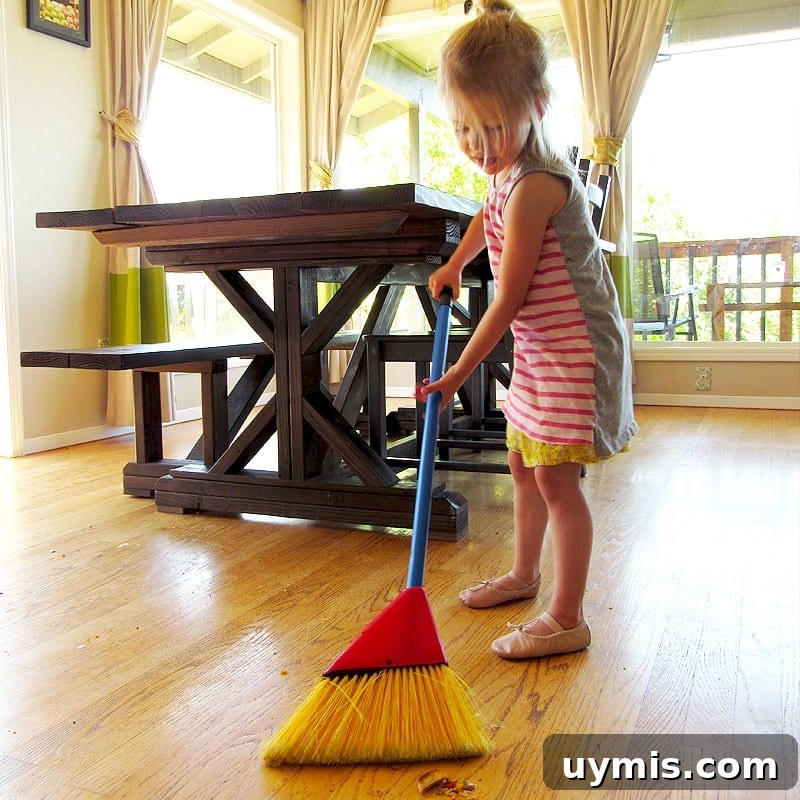
In Episode 27 of Fit Mama Real Food Radio, the conversation focuses on kids and chores — why chores matter for both parents and children, how to introduce helpful habits, what I use with my own little ones, and a special bonus: my 4-year-old and 6-year-old join me for a few questions on the show.
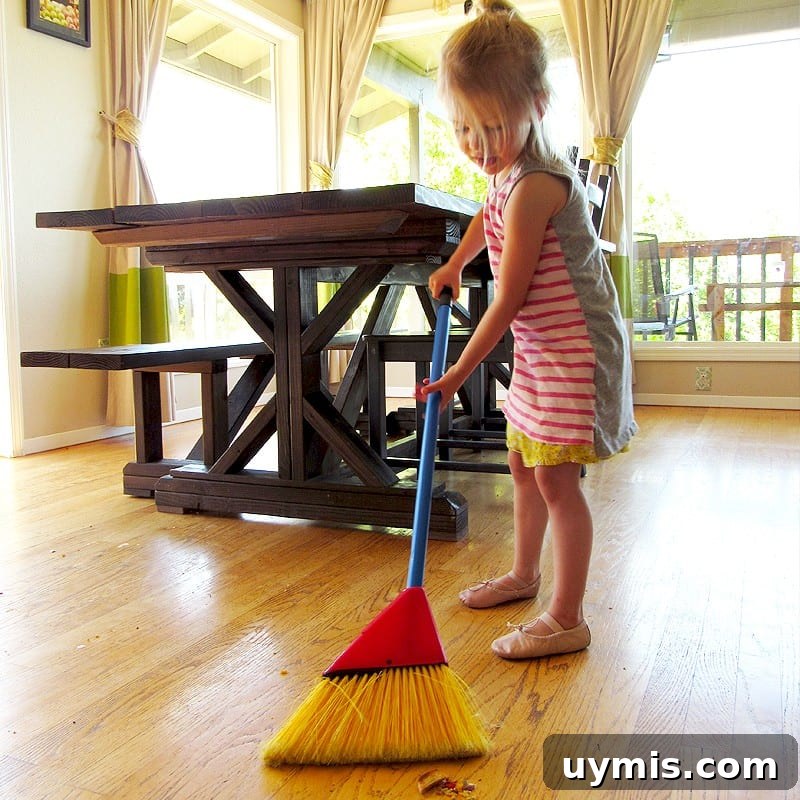
Fit Mama Real Food Radio is a weekly podcast where I’ll be sharing insights, education and inspiration focused on living a happy and healthy life. I’ll be chatting about food, fitness, motherhood and mindset.
Kids and Chores
In Episode 27, we dig into the topic of kids and chores. I explain why I expect my children to help around the house, outline the many benefits this brings to kids and the whole family, and share practical, age-appropriate ideas for where to begin. My 6-year-old, Hunter, and my 4-year-old, Zoe, join the episode to answer a few fun questions about chores and helping at home.
Assigning chores to children is not about free labor — it’s about teaching life skills, building confidence, and creating a sense of responsibility. Chores help kids learn routines, develop motor skills, practice following directions, and feel like contributing members of the family. When kids take part in household tasks they gain competence and pride, and parents get support in keeping the home running smoothly.
Topics covered in this episode:
- Why children should do chores and how chores support healthy development
- Specific benefits chores provide for kids and family culture
- How to handle resistance or unwillingness to help
- Simple, age-appropriate tasks to start with for young children
- Short conversation with Hunter (6) and Zoe (4) about being helpful
Resources and episode references (titles only):
- 25 ways little kids can help around the house
- Research summary: how sparing chores can affect children and future outcomes
Why chores matter
Chores are a practical way to teach accountability and teamwork. When kids take on small, consistent responsibilities they begin to understand cause and effect — that their actions have an impact on the household and on others. Regular tasks also teach time management, following instructions, and the value of contributing without needing constant praise or compensation. Over time these small lessons translate into stronger work habits and greater independence.
Age-appropriate starting points
For very young children (toddlers and preschoolers), focus on simple, safe tasks: putting toys away, placing dirty clothes in a laundry basket, helping set napkins on the table, or feeding a pet with supervision. School-aged children can handle more complex chores like clearing dishes from the table, making their bed, folding laundry, wiping counters, or helping with meal prep. Keep expectations realistic, demonstrate tasks, and provide consistent guidance until the child can complete the chore independently.
Dealing with resistance
Resistance is normal. Start by setting clear, calm expectations and show the task step-by-step. Use positive reinforcement and celebrate small wins rather than relying solely on punishment. Create predictable routines so chores are expected parts of the day. If motivation is low, consider a simple chart or checklist to track progress and build momentum. It’s important to keep chores age-appropriate and to be patient as children learn new skills.
Practical tips for success
- Model the behavior you want to see — children learn by watching.
- Break tasks into small, teachable steps and demonstrate each step once or twice.
- Keep a rotating list of chores so responsibilities are shared fairly.
- Use clear language and consistent timing to make chores part of the routine.
- Praise effort and progress to reinforce positive habits.
You can find the Fit Mama Real Food Radio episodes and subscribe through popular podcast platforms such as iTunes, Stitcher, TuneIn, and Google Play. If you enjoy the show, leaving a rating or review on your preferred platform helps others discover the podcast.
What chores do your kids help out with?
Heather