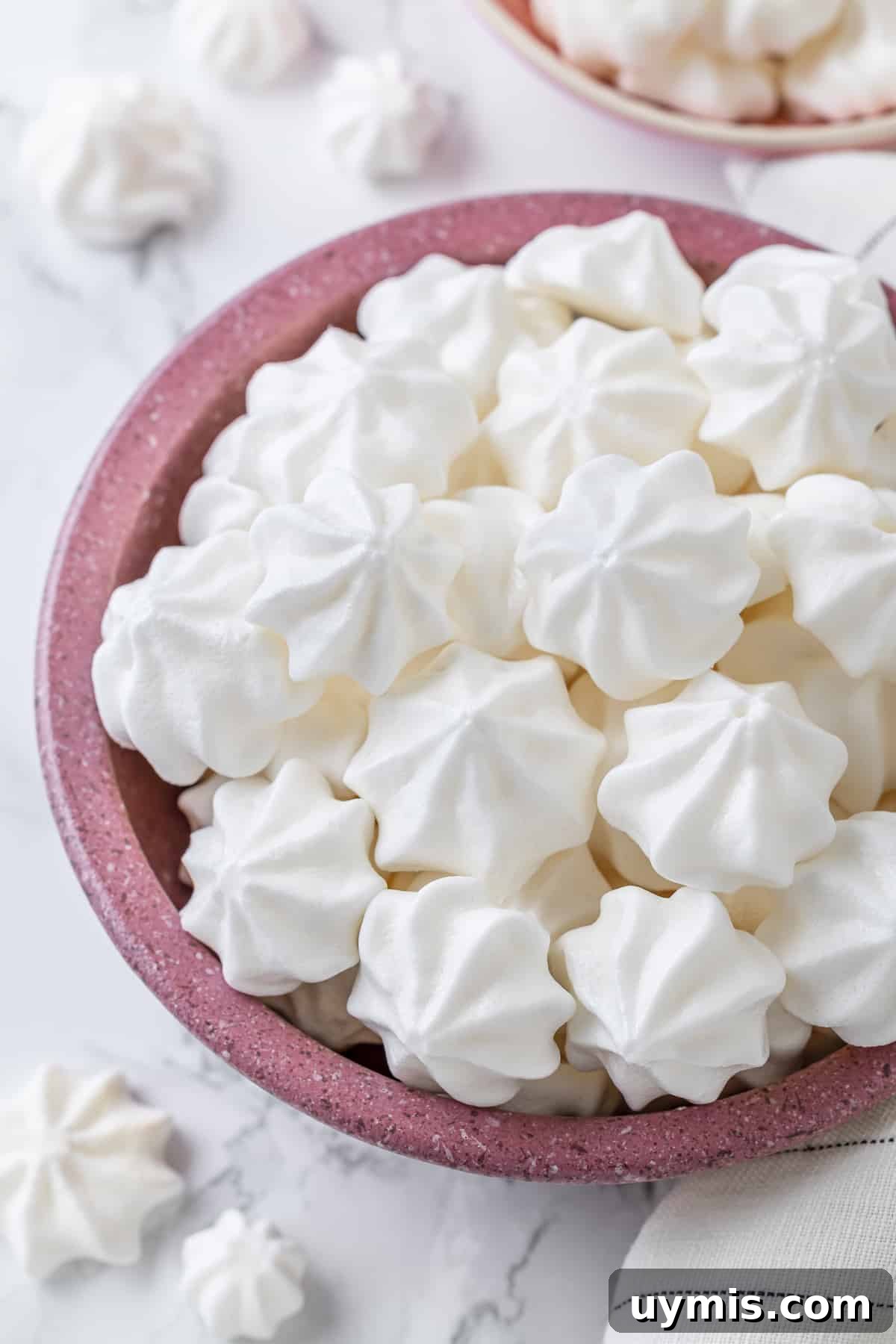
Aquafaba has transformed vegan cooking and baking by replacing eggs in many recipes. But what exactly is aquafaba, how does it work, and how can you use it most effectively? This guide covers everything you need to know to get reliable results when using aquafaba in your kitchen.
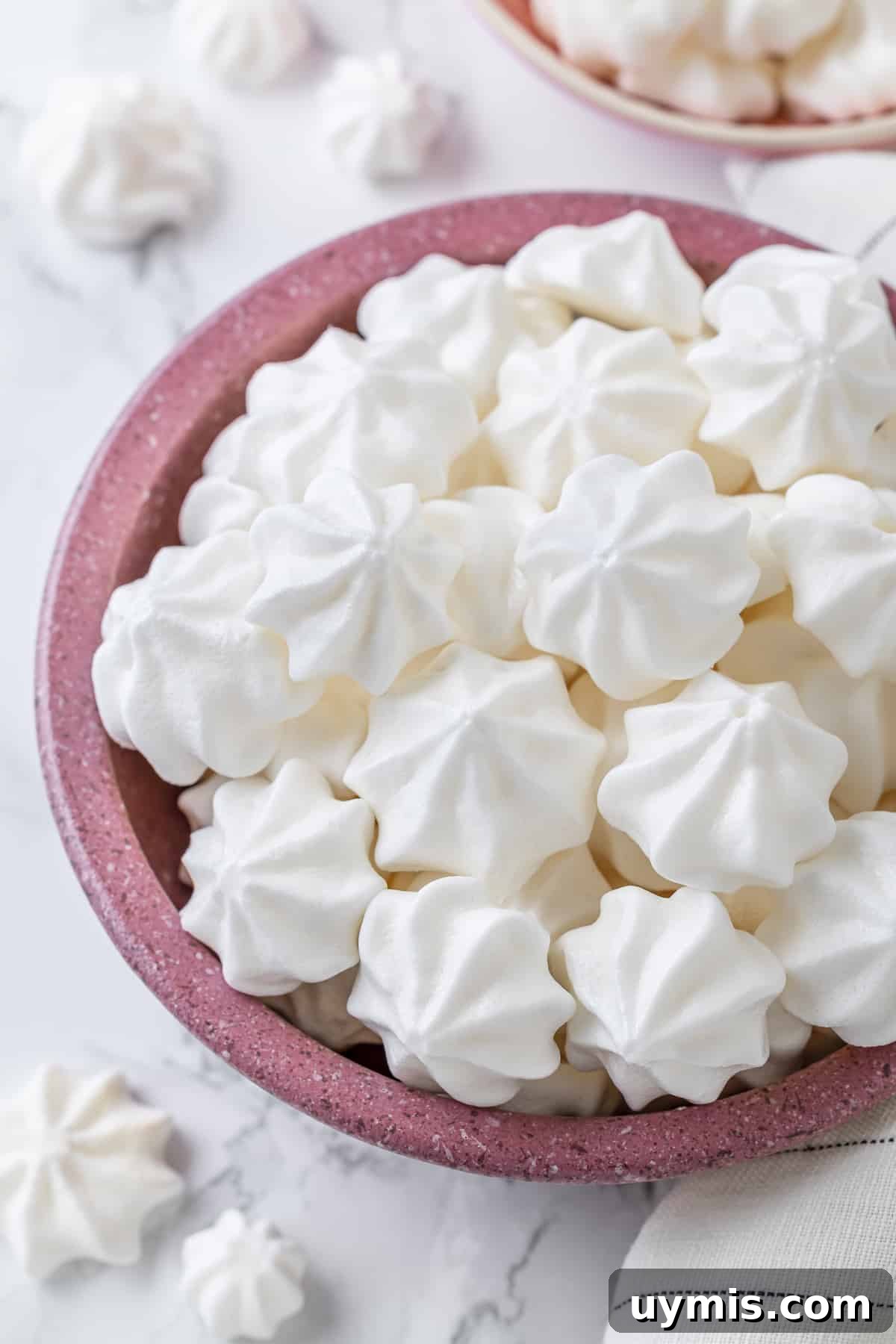
Eggs are often the hardest ingredient to replace in plant-based baking. Flax or chia “eggs” work well as binders but cannot mimic the foaming and aerating abilities of egg whites. Aquafaba—the viscous liquid from cooked legumes, most commonly canned chickpeas—fills that gap. It whips into foam, forms soft and stiff peaks, and adds lift to cakes, cookies, and mousses.
First Thing’s First: What Is Aquafaba?
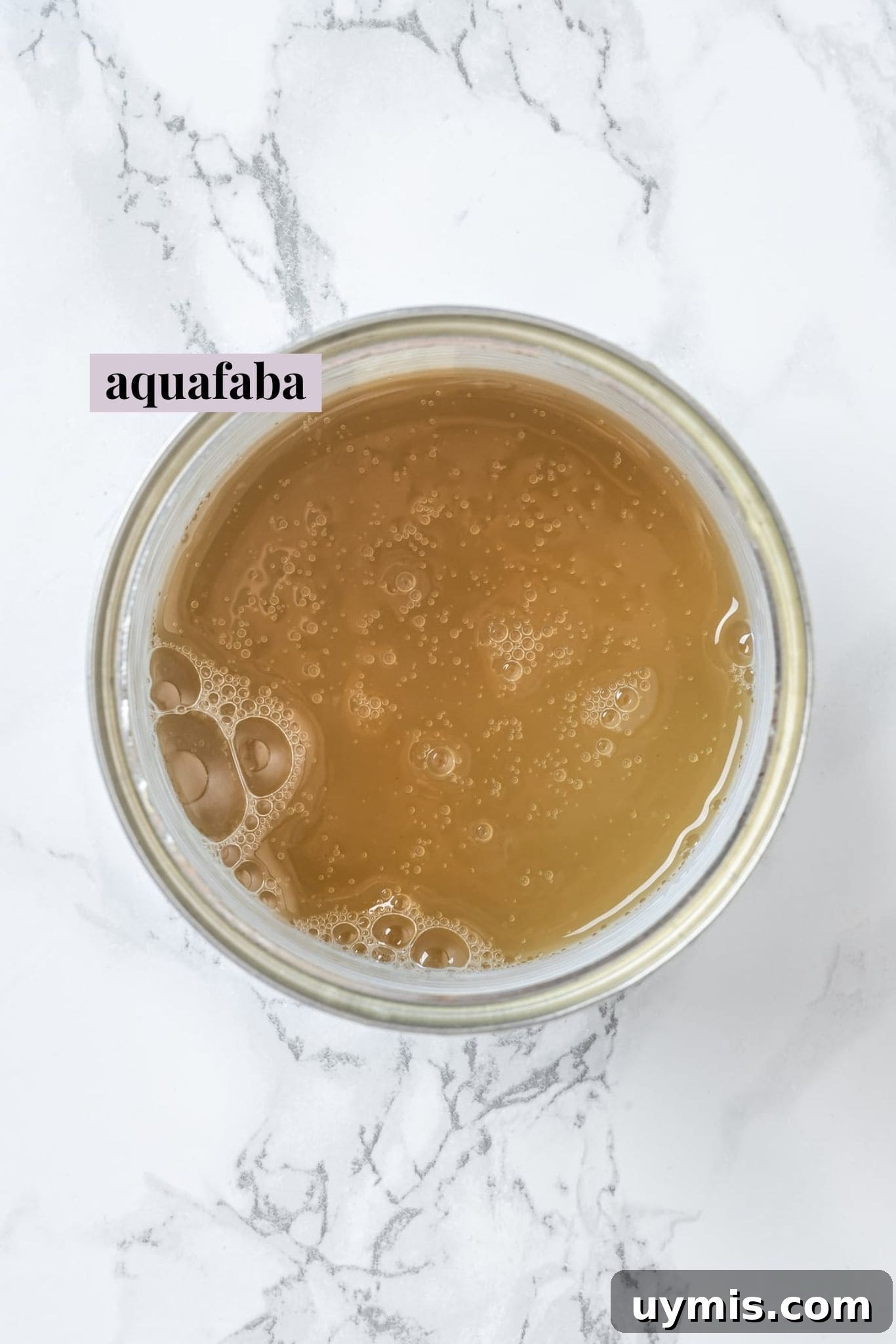
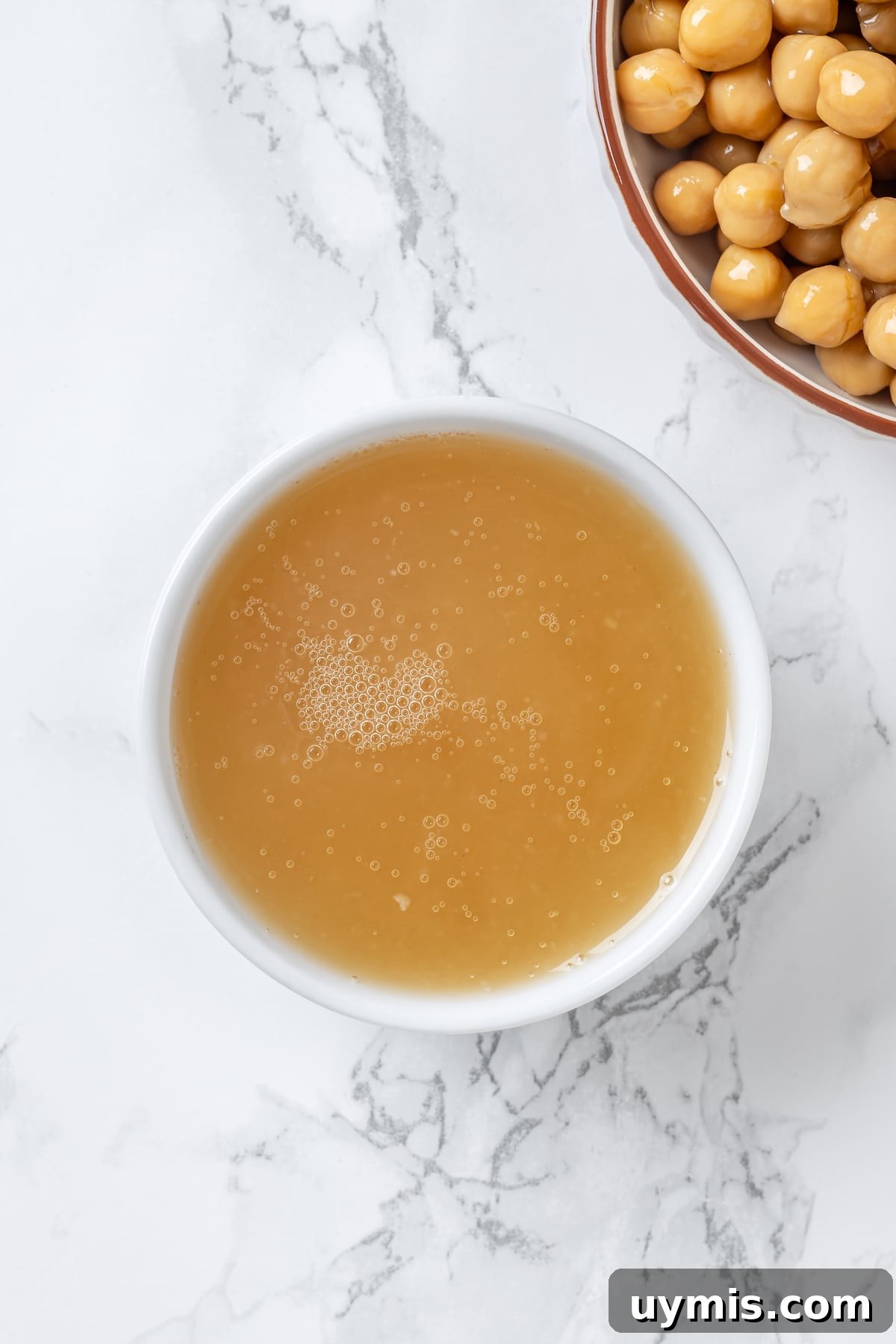
Aquafaba is simply the cooking liquid from legumes. The most commonly used source is the liquid from a can of chickpeas or the water left after simmering dried chickpeas. Despite its simple origin, aquafaba contains dissolved proteins, starches and soluble plant solids that give it emulsifying and foaming properties similar to egg whites.
Since its discovery as an egg substitute in the mid-2010s, aquafaba has become a staple for vegans and anyone avoiding eggs. When whipped, it can create light, airy textures in meringues, marshmallows and mousses, and it also works as a binder or leavening aid in many baked goods.
Is Aquafaba in All Canned Beans?
You can use the liquid from other canned beans, but chickpea liquid performs best. Chickpeas contain higher amounts of soluble starches and proteins that help form stable foams and provide structure. Liquids from other beans may foam to some extent, but results tend to be less consistent and finished textures can be flatter or denser.
If you experiment with other legumes, expect some variation: you may need more whipping time, stabilizers, or recipe adjustments to achieve similar results to chickpea aquafaba.
How Do You Whip Aquafaba?
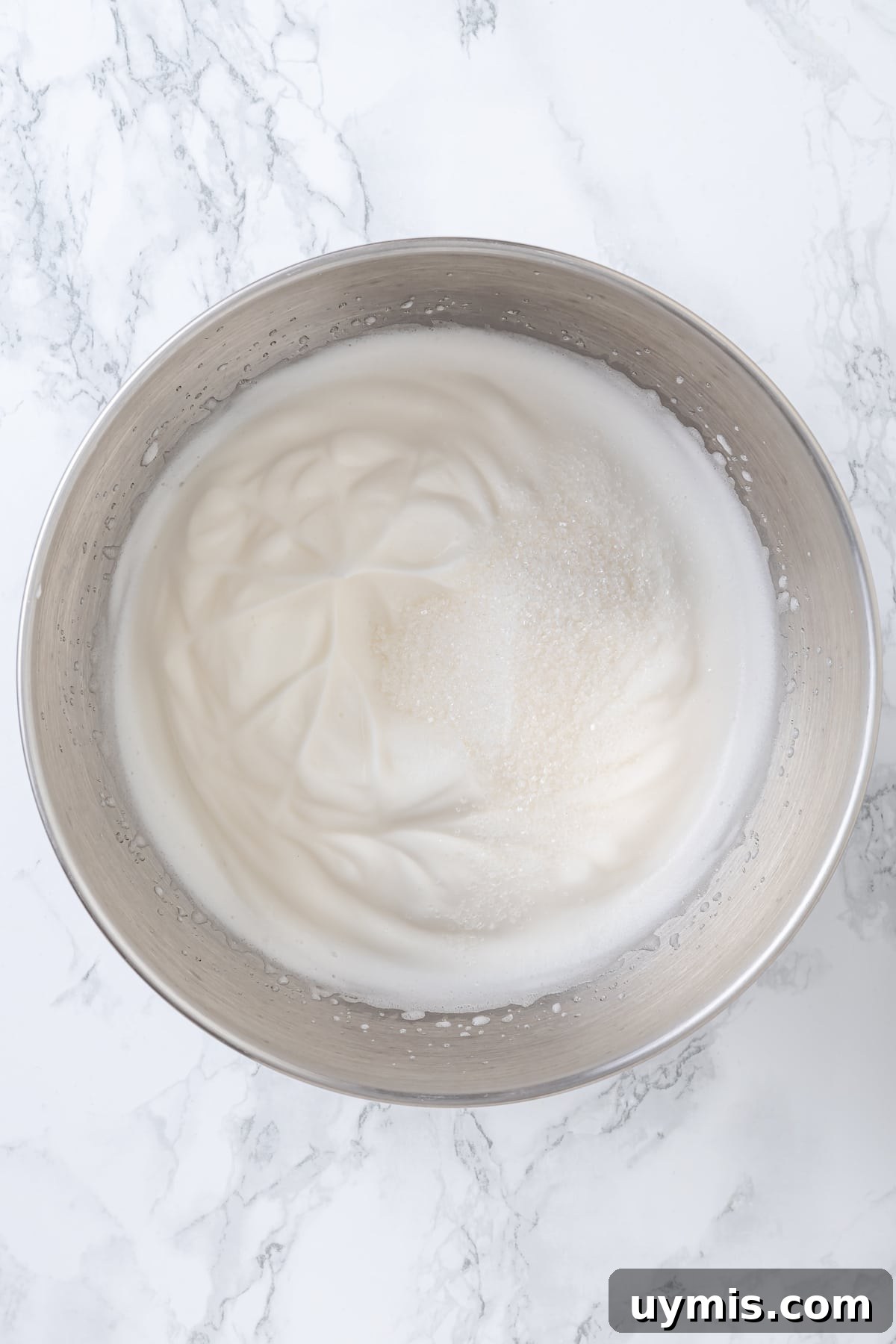
Whipping aquafaba is straightforward with the right technique. Use a stand mixer with a whisk attachment or a hand mixer and start at medium speed, gradually increasing as foam forms. Expect whipping to take longer than egg whites—usually several minutes to reach soft peaks, and longer for stiff peaks—depending on the volume and the appliance.
Common tips for better results:
- Use chilled aquafaba for slightly faster and firmer foams.
- Add a small stabilizer like cream of tartar—about 1/4 teaspoon per 1/2 cup aquafaba—to improve structure and prevent collapse.
- Sweeten gradually when making meringues; add sugar once soft peaks appear and continue whipping until glossy and firm.
- Monitor closely: overwhipping can lead to grainy or separated foam, while underwhipping won’t hold shape.
For many recipes, a practical conversion is about 3 tablespoons of aquafaba to replace one whole egg, and about 2 to 3 tablespoons per egg white, but results vary by recipe. Adjust according to texture and performance in your specific preparation.
Uses for Aquafaba
Aquafaba is versatile. It’s best known for vegan meringues and marshmallows, but its applications extend well beyond desserts. Here are practical ways to use aquafaba in everyday cooking:
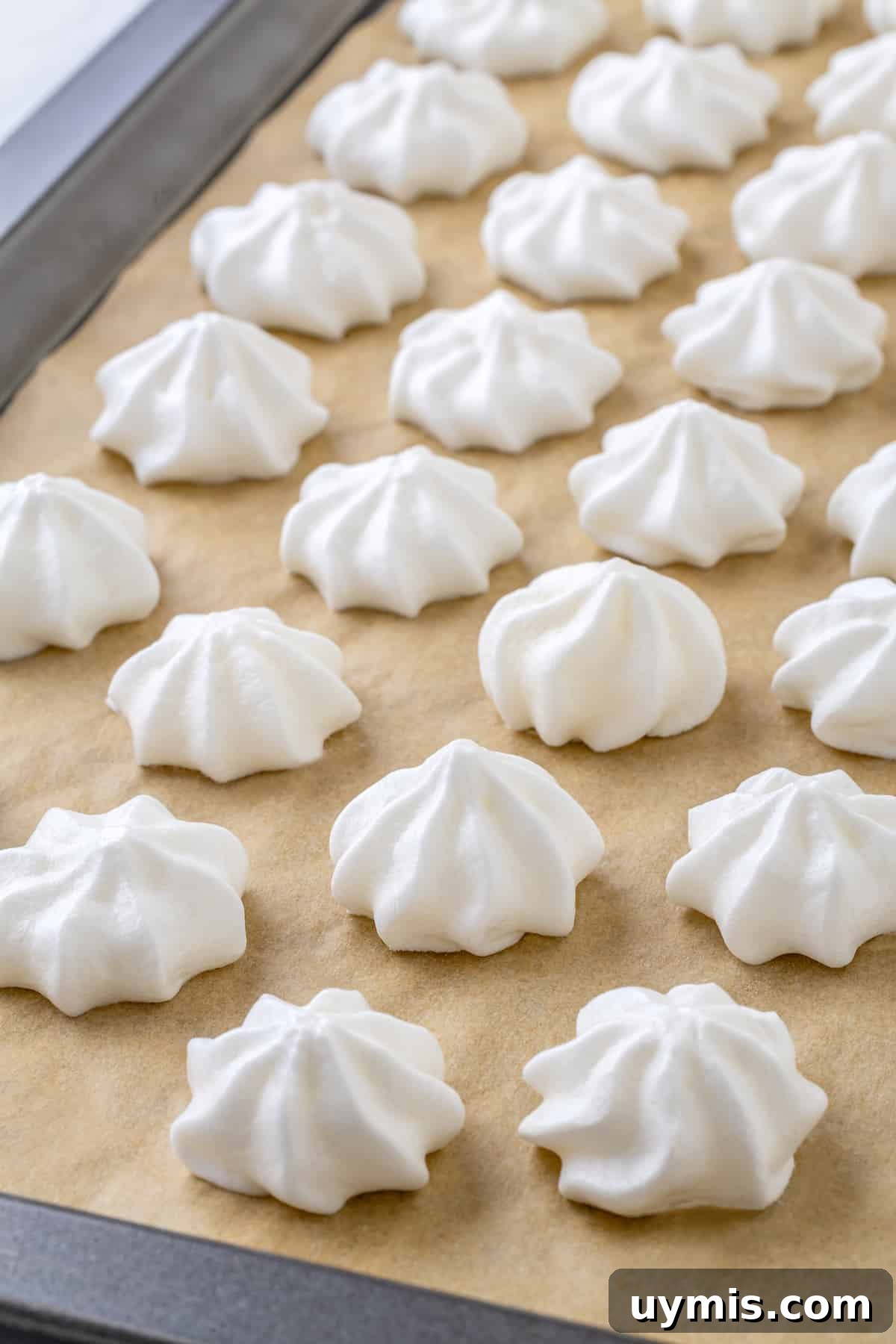
- Whipped aquafaba serves as the base for vegan meringues and pavlovas, delivering crisp exteriors and soft interiors when dried or baked properly.
- In mousses and stabilized desserts, aquafaba creates airy texture while keeping recipes egg-free.
- It works as a binder and lightener in batters for cakes, muffins and quick breads, improving rise and crumb without eggs.
- Aquafaba replaces eggs in recipes for vegan marshmallows, where it helps create that classic spongy texture.
- Use whipped aquafaba to make vegan ladyfingers for tiramisu or to lighten soufflés and similar baked treats.
- As an emulsifier, aquafaba can stabilize dressings, mayonnaise alternatives, and batters for fried or baked nuggets, contributing to crispness and cohesion.
More Vegan Guides
- What Is Cassava Flour?
- Health Benefits of a Plant-Based Diet
- Is Honey Vegan?
- Surprising Foods That Are NOT Vegan
- Are Marshmallows Vegan?
Storage and batch tips: refrigerate unused aquafaba in a sealed container for up to a week, or freeze in ice cube trays for longer storage. Thaw completely and whisk briefly before use. When trying aquafaba for the first time, test small batches to learn how it behaves with your recipes and equipment. With a little practice, aquafaba becomes an indispensable tool for reliable vegan baking and cooking.