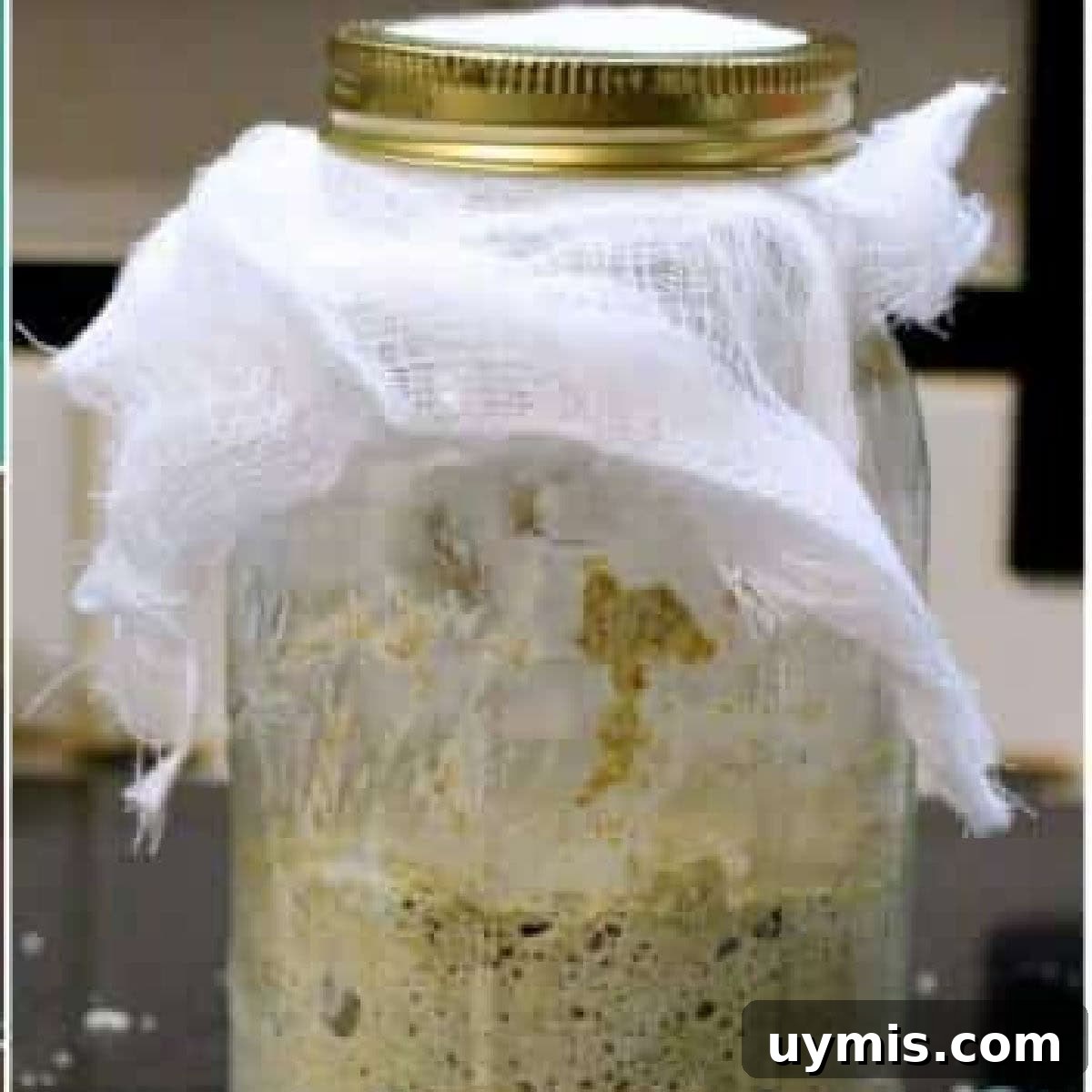
Imagine baking your own sourdough bread, pancakes, biscuits, and other homemade favorites with a starter that is easy to create and simple to maintain. This easy sourdough starter is made with basic ingredients, develops naturally without commercial yeast, and becomes bubbly, tangy, and ready to use in about a week.
If you have ever wanted to try sourdough but felt intimidated, this method is a practical place to begin. It uses rye flour to encourage wild yeast, spring water to protect the good bacteria, and a breathable cheesecloth cover so the starter can develop properly.
With a little patience and regular feeding, you will have a reliable homemade sourdough starter that can be used for bread, biscuits, pancakes, waffles, and more.
Save this recipe by clicking the heart on the right-hand side of the screen or in the recipe card.
🗝️ Key takeaways
- A great beginner project: This sourdough starter is a simple way to begin making homemade sourdough bread, pancakes, biscuits, waffles, and other baked goods with that classic tangy flavor.
- No commercial yeast needed: When you follow the process carefully, the starter becomes active on its own by capturing and feeding wild yeast.
- Simple ingredients matter: Rye flour, spring water, warmth, and air are the keys to helping the starter develop a healthy, bubbly texture.
- Consistent feeding is important: A starter needs regular attention during the first week. Plan to be home and available to feed it on schedule.
🧾 Ingredients
This is an overview of what you will need. The full measurements and step-by-step instructions are included in the recipe card at the bottom of the page.
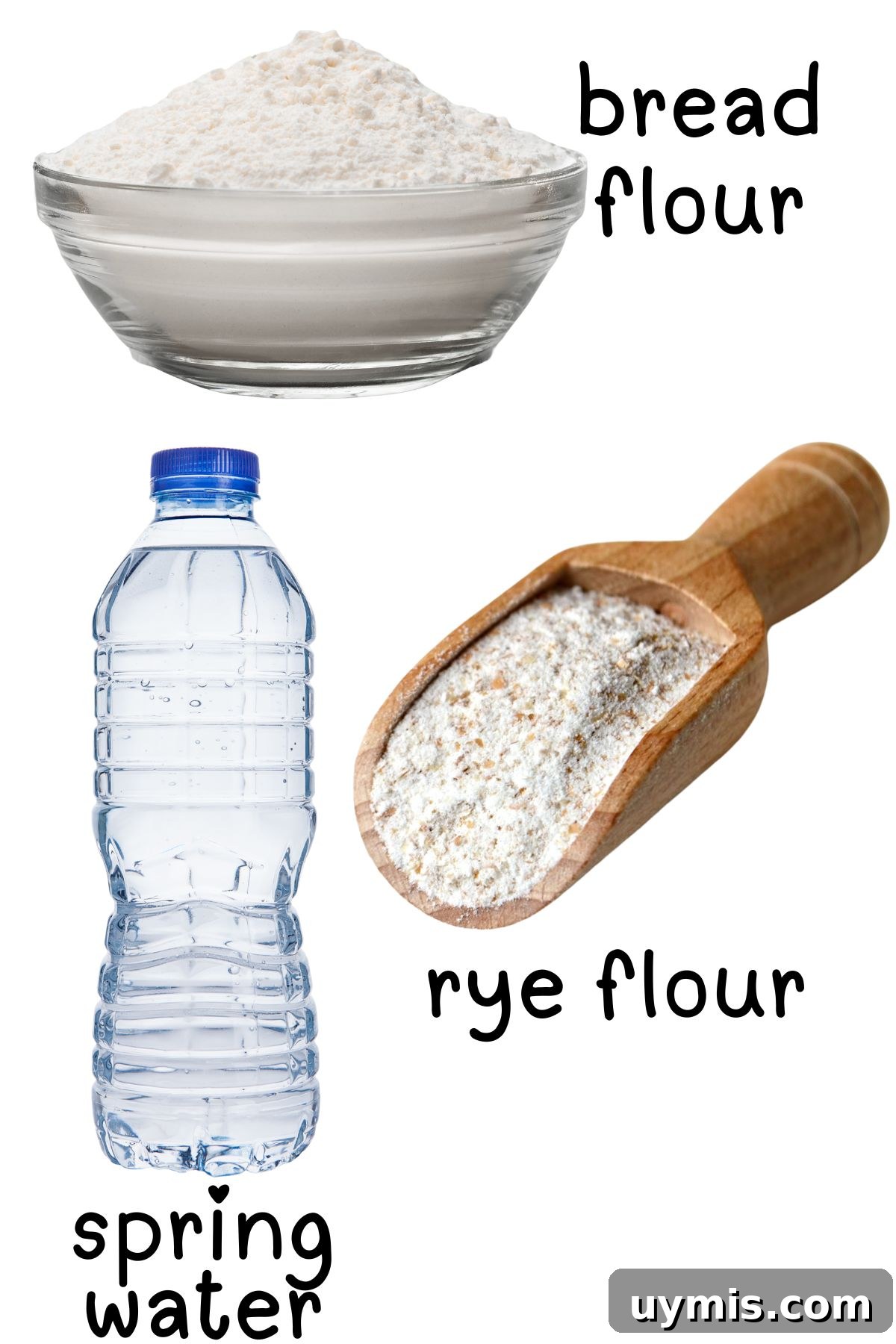
For the first day, you will use rye flour and bottled spring water. Rye flour gives the wild yeast a strong food source at the beginning, which helps the starter become active. After the first day, bread flour and spring water are used for regular feedings.
Use non-chlorinated bottled spring water because chlorine can slow down or kill the natural yeast and beneficial bacteria you are trying to grow. This is one of the most important details in a successful sourdough starter.
🔪 Instructions
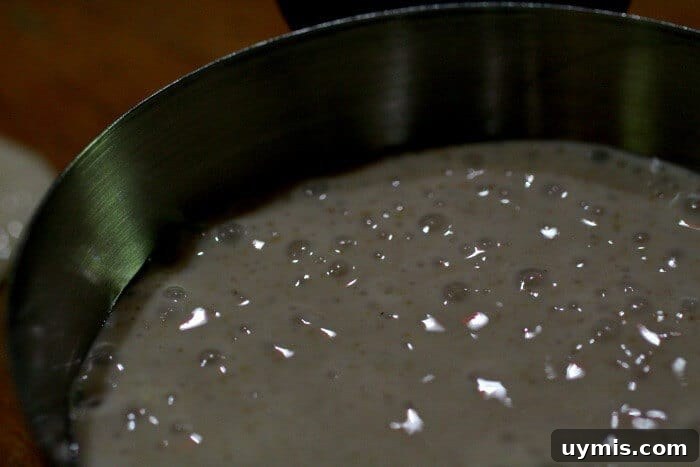
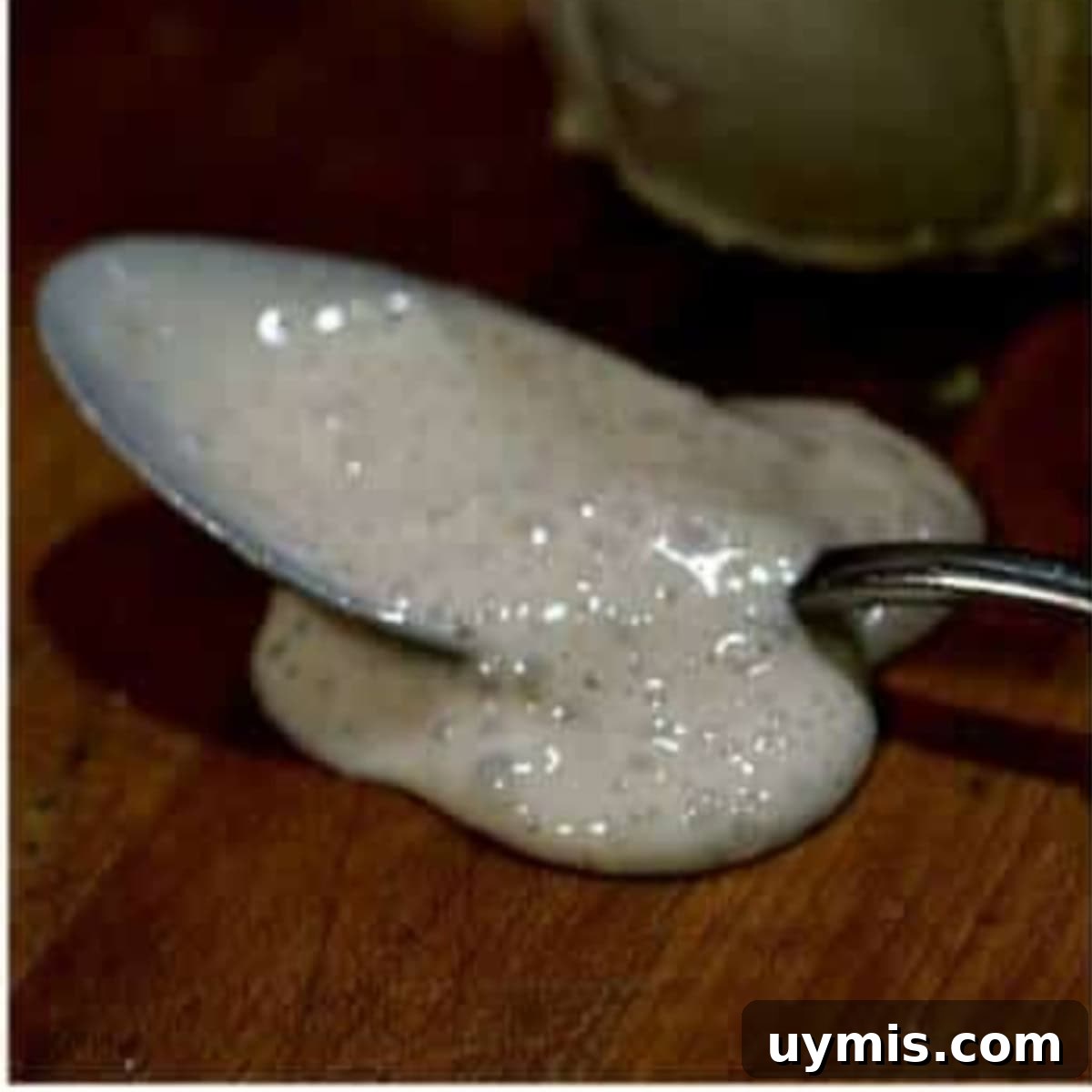
There are many sourdough starter recipes, but the best ones all have one thing in common: they create a starter with a lively texture and a pleasant sour aroma. A good sourdough starter should be bubbly, active, and tangy without smelling rotten or moldy.
This version begins with rye flour because it gives wild yeast and bacteria the nourishment they need at the start. White flour alone may not give the same strong beginning. Once the starter is active, bread flour works well for regular feedings.
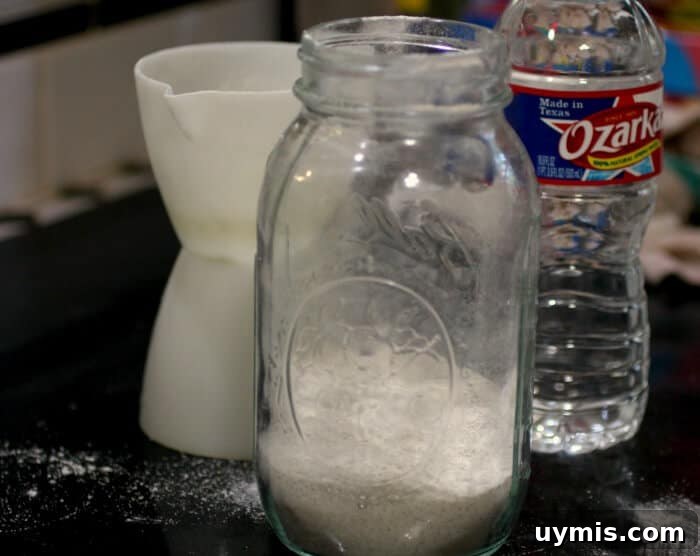
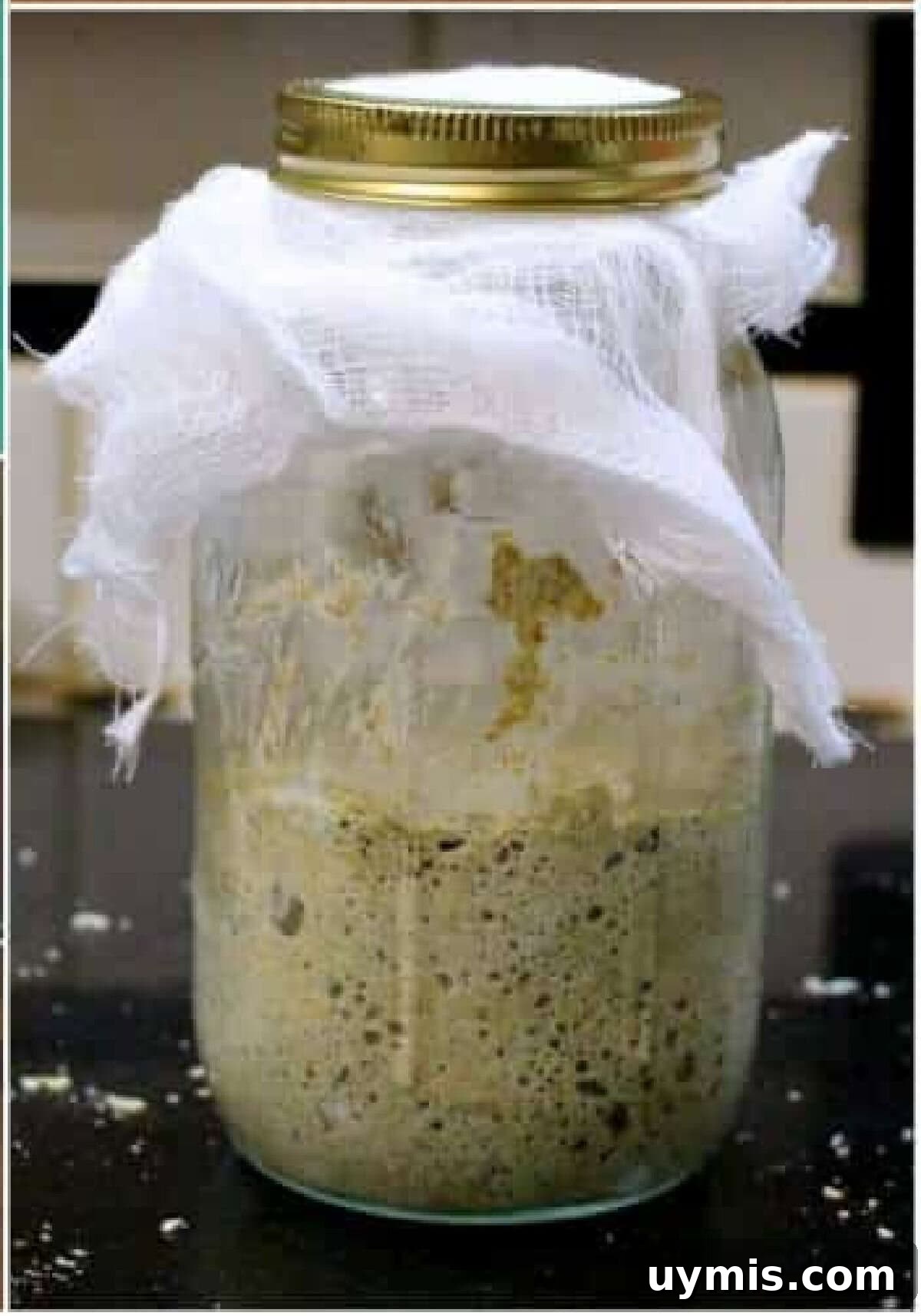
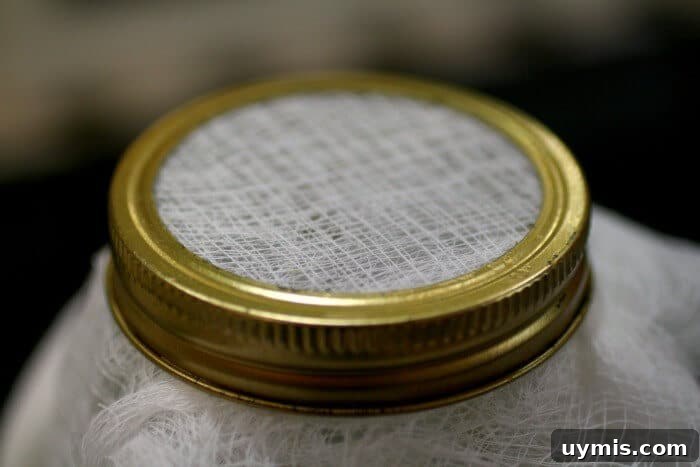
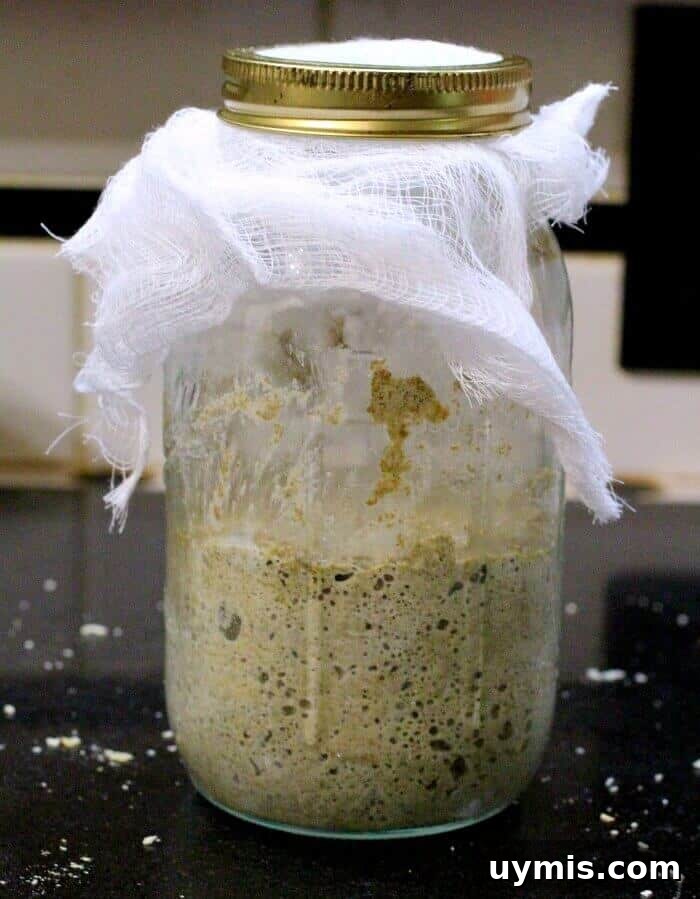
The cheesecloth cover is also important. It allows air to reach the starter while keeping the jar protected. Do not use a tight lid while the starter is developing. The mixture needs air, and it may expand as it becomes active.
You will need to commit to this sourdough starter for about a week. This is not something to start right before leaving town. During the first several days, the starter needs regular feeding, and from days four through seven it is fed twice a day.
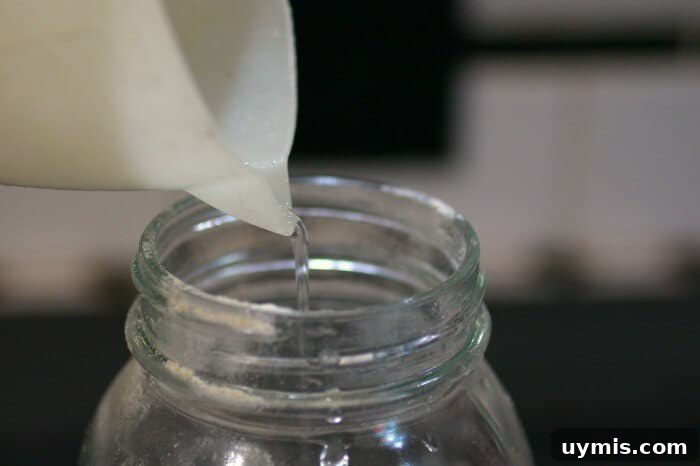
Use a clean quart-size canning jar and a screw-on ring to hold the cheesecloth in place. A small dish under the jar is a smart idea because a lively starter can bubble up and overflow. That activity is a good sign, but it can make a sticky mess on the counter.
Some sourdough starter recipes add yeast in the beginning, but this one does not need it. If you keep the starter warm, use the right ingredients, and feed it consistently, it should become light, bubbly, and active on its own.
By around day three, you should begin to notice bubbles and signs of life. By day seven, the starter should have a pleasant sour tang and should double in size within about 12 hours after feeding. At that point, it is ready to maintain and use in your favorite sourdough recipes.
🤫 Cook’s secrets
Do not waste the starter you remove during feedings if it is healthy and smells pleasantly sour. This extra starter is called discard, and it can be used in pancakes, waffles, biscuits, quick breads, and other baked goods.
🍴 Equipment
- 1 quart-size canning jar or similar container
- Canning jar ring
- Cheesecloth
- Measuring cups and spoons
🥫 How to store leftovers
Once your sourdough starter is established, you can store it in the refrigerator if you do not plan to bake with it every day. Feed it once a week to keep it active and healthy.
If you bake often, keep the starter at room temperature and feed it daily. A room-temperature starter is usually more active and ready to use, but it does require more regular care.
Marye’s Tip
There are three things you should not change when making this starter:
- Always begin with rye flour.
- Always use non-chlorinated bottled spring water.
- Always keep the starter in a warm place with cheesecloth over the top while it is developing.
💭 Things to know
- Your starter will take about a week to become active, bubbly, and pleasantly sour.
- Be patient. Sourdough develops slowly, and consistent feeding gives the best results.
- If a dark liquid forms on top, it is usually not a problem. Stir it back in and continue feeding unless the starter smells foul or moldy.
- Keep the jar in a warm spot, but do not place it somewhere hot enough to damage the yeast and bacteria.
- Use a dish under the jar in case the starter bubbles over as it becomes active.
👩🍳 FAQs
Have other questions? Ask in the comments.
No. It is important to start with rye flour because it provides the nutrients needed to help wild yeast grow.
A sour smell is normal. However, if the starter smells rotten, foul, or moldy, discard it and start again.
📚 Related recipes
-
How to Make Bread Rise Faster
-
How to Store Bread & Bread Dough
-
Best Food Processor for Bread Dough
-
Beginner’s No Knead Sourdough Bread
📞 The last word
Once you start working with sourdough starter, it can quickly become a favorite kitchen project. Watching the starter become bubbly and active is satisfying, and the flavor it adds to homemade bread and baked goods is worth the effort.
If you love this recipe, please leave a comment below and give it 5 stars. ⭐️⭐️⭐️⭐️⭐️
📖 Recipe
Sourdough Starter
Ingredients
Day One
- 1 cup rye flour
- ½ cup spring water
Days Two through Seven
- 1 cup bread flour
- ½ cup spring water
Instructions
Day One
-
Put the rye flour into a clean, sterile quart jar.
-
Add the spring water and mix until all of the flour is incorporated.
-
Place a square of cheesecloth over the top of the jar and secure it with the ring.
-
Set the jar in a warm place.
Days Two through Four
-
Keep ½ cup of the starter and discard the rest.
-
Return the ½ cup starter to the jar.
-
Add 1 cup bread flour and ½ cup spring water. Mix thoroughly.
-
Replace the cheesecloth and ring, then return the jar to a warm place.
-
By day three, you should begin to see bubbles and activity.
Days Four through Seven
-
Keep ½ cup of the starter and discard the rest.
-
Return the ½ cup starter to the jar.
-
Add 1 cup bread flour and ½ cup spring water. Feed the starter twice a day, as close to 12 hours apart as possible.
-
By day seven, the starter should have a pleasant sour tang and should double in size within 12 hours.
Maintain Your Starter
-
Always keep ½ cup starter. Use the rest for baking, share it, or discard it. Store the starter in the refrigerator and feed weekly, or keep it at room temperature and feed daily with 1 cup flour and ½ cup spring water.
Notes
Nutrition information is estimated as a courtesy. If using for medical purposes, please verify information using your own nutritional calculator.
This recipe has been tested several times. If you choose different ingredients or change the technique, the results may not be the same.
First published April 28, 2014. Last updated June 15, 2024 for editorial improvements.