On this day we attended a masterclass by Robert Verweij, a young Dutch chef and viticulturist who is widely known as a TV chef on the Dutch television show Life & Cooking. In addition to his work as a chef and wine professional, he also gives a variety of cooking workshops and wine workshops, and he is known for his knowledge of cheese. That combination made the day especially interesting, because the masterclass was not only about preparing food, but also about understanding flavour, texture, balance and the way food and wine can influence each other.
Robert started the day by showing us how to make ice cream. With only a few simple ingredients, including cream, yoghurt, vanilla and lemon, he created a delicious ice cream that tasted fresh, smooth and well balanced. What made the demonstration valuable was not just the recipe itself, but the explanation behind it. He spoke in detail about the different ways ice cream can be made, how ingredients affect the final result, and why texture is such an important part of good ice cream. We also tasted several different types of ice cream so we could compare them properly. By tasting them side by side, it became much easier to notice the difference between creaminess, freshness, sweetness and acidity. It was a practical and enjoyable way to learn, because the theory immediately made sense once we could taste the results ourselves.
The morning passed before we knew it. The atmosphere was relaxed, but there was still a lot of information to take in. Robert explained everything clearly and made the subject accessible, even when he went into more technical details. Unfortunately, I forgot to take a picture of the ice cream, which is a shame because it looked just as good as it tasted. Still, the most important part was the flavour, and that was excellent. The combination of yoghurt, lemon and vanilla gave the ice cream a pleasant freshness, while the cream made it rich enough to feel like a real dessert. It was a great start to the masterclass and a good introduction to the importance of balance in cooking.
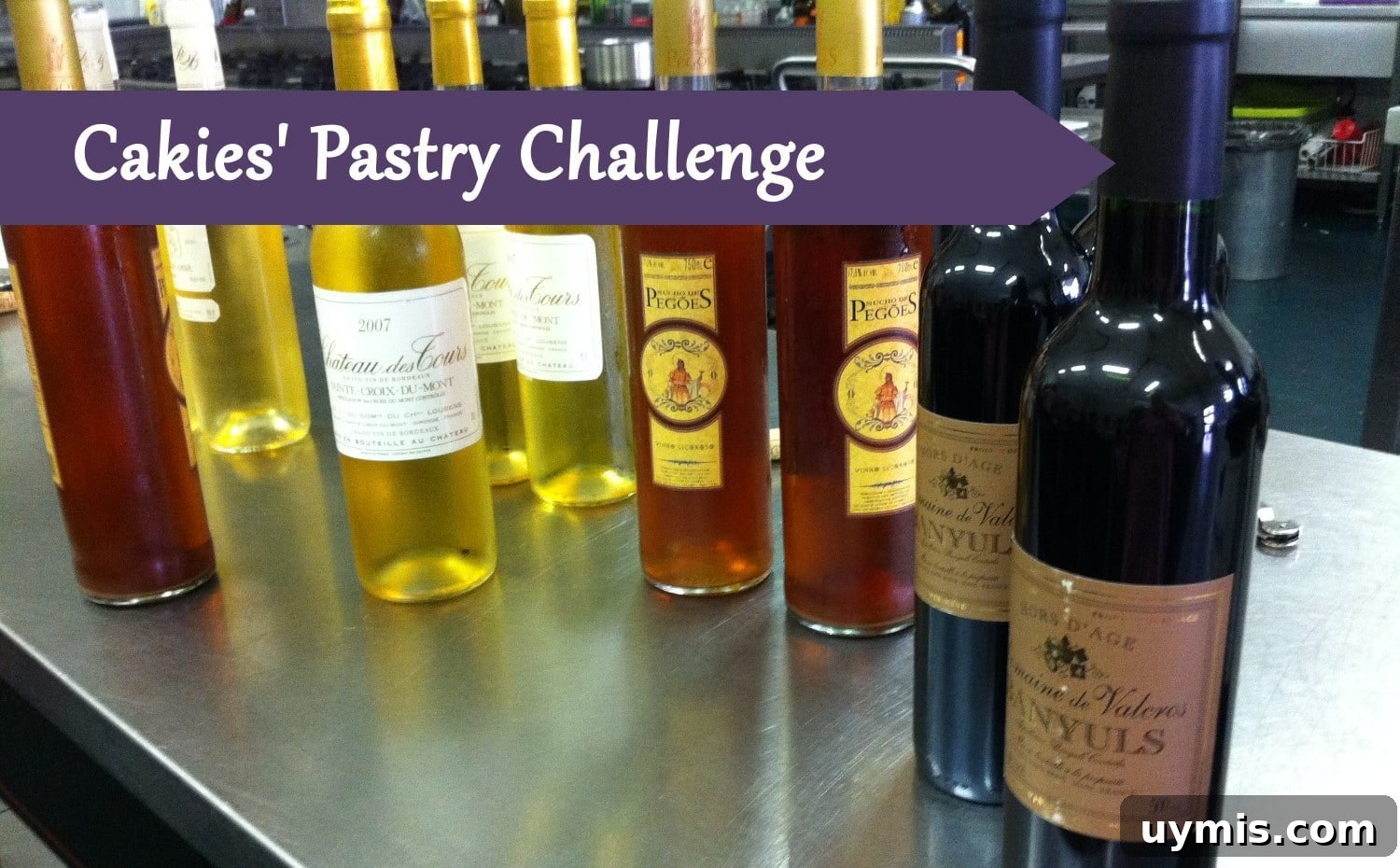
After lunch, the focus shifted to wine and food tasting. This part of the workshop was all about learning how to taste more objectively. We were given a form on which we had to grade the different wines and foods separately, and then again as combinations. This helped us look more carefully at what was happening in the glass, on the plate and in the pairing. We tasted wine with sweet dessert combinations, as well as wine with cheese combinations. The goal was not simply to decide whether we personally liked something, but to identify the characteristics of each element. For example, we had to think about whether a dessert was sweet, fresh, creamy or acidic, and whether a wine was dry, fruity, powerful or light. By separating personal preference from objective tasting, it became easier to understand why certain wine and food pairings worked better than others.
This way of tasting was more challenging than I expected. It is tempting to judge everything by your own taste, but the workshop showed that successful wine pairing is about balance and interaction. A wine that seems too sharp on its own can become much softer with the right food, while a dessert or cheese that feels rich can be lifted by a wine with enough freshness. Robert guided us through the tasting step by step, encouraging us to pay attention to sweetness, acidity, intensity and texture. It is difficult to describe the full experience in words, because tasting is something you really have to do yourself. However, the exercise made it clear how much you can learn by slowing down and tasting with more attention.
All in all, I learned a great deal from this Robert Verweij masterclass. The combination of ice cream making, wine tasting, dessert pairing and cheese pairing made it a varied and inspiring day. I would not hesitate to attend another cooking or wine workshop by Robert, because his approach was informative, practical and enjoyable. If it had been up to me, the tasting session could have continued a little longer. It was the kind of workshop that makes you look at food and wine in a different way, and it gave me useful ideas for creating better pairings at home.