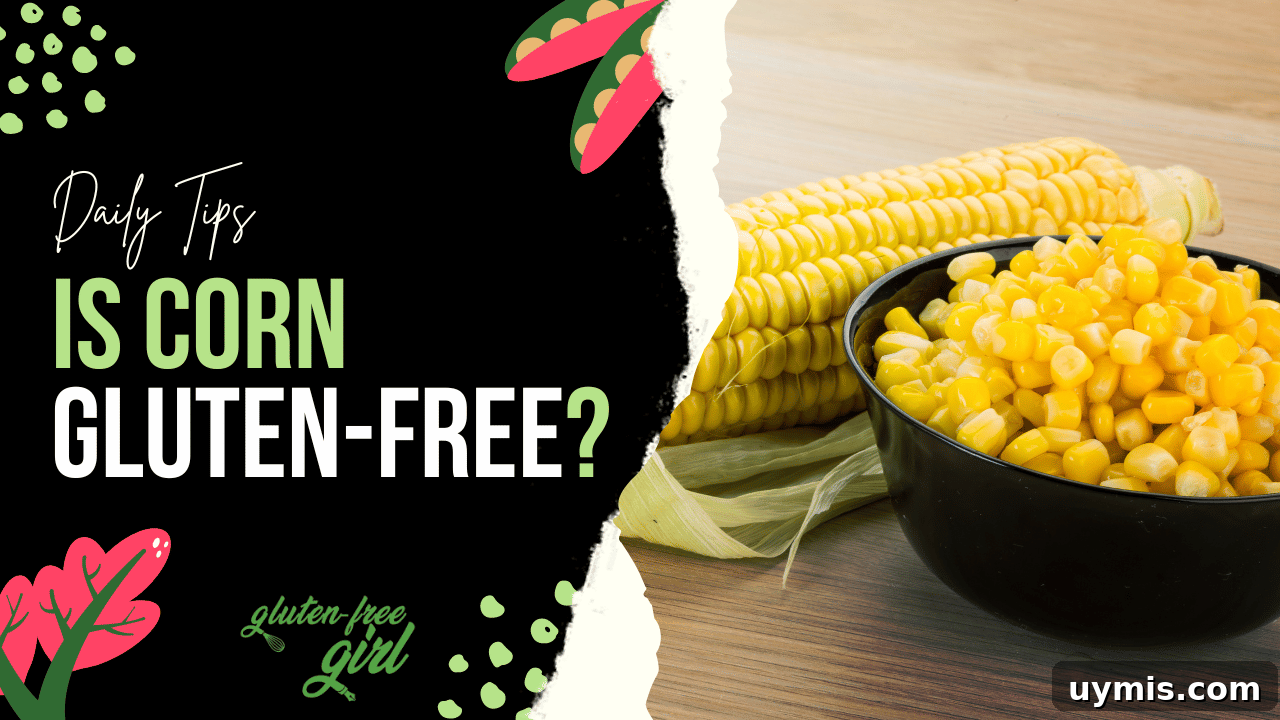
Yes, corn is gluten-free. Corn is naturally free from gluten because it does not contain the gluten proteins found in wheat, barley, and rye. It comes from the Zea mays plant and is widely used in gluten-free cooking because it is versatile, affordable, and available in many forms, including fresh corn, cornmeal, corn flour, cornstarch, popcorn, and hominy.
Gluten is a group of proteins, mainly gliadin and glutenin, that gives wheat dough its stretch and structure. These proteins can cause serious health problems for people with celiac disease and may also trigger symptoms in people with non-celiac gluten sensitivity. Because corn does not contain wheat gluten, pure corn is generally safe for people who need to follow a gluten-free diet.
Celiac disease is an autoimmune condition in which eating gluten causes the immune system to damage the lining of the small intestine. This damage can interfere with nutrient absorption and may lead to digestive symptoms, fatigue, anemia, weight changes, and other health concerns. For people with celiac disease, even small amounts of gluten from cross-contamination can be harmful, so choosing safe corn products and preparing them carefully is important.
Corn is often used as a staple ingredient in gluten-free diets. Cornmeal can be used for cornbread and polenta, corn flour can be used for tortillas and baked goods, and cornstarch is commonly used to thicken sauces, soups, gravies, and desserts. Although some people use the phrase “corn gluten,” the protein in corn is not the same as the gluten found in wheat, barley, or rye and does not cause the same immune reaction in people with celiac disease.
Can a Patient with Celiac Eat Corn?
Yes, a patient with celiac disease can eat corn, as long as the corn is pure and has not been contaminated with gluten. Corn itself is naturally gluten-free and can provide carbohydrates, fiber, and useful nutrients without triggering the gluten-related immune response associated with wheat, barley, or rye.
However, people with celiac disease must be careful with processed corn products. Corn chips, corn cereals, cornbread mixes, flavored popcorn, and frozen corn-based meals may contain wheat-based ingredients or may be produced on shared equipment. For this reason, it is best to choose products labeled gluten-free and to read ingredient lists carefully. Food with gluten must be avoided by anyone with celiac disease or a medically diagnosed gluten intolerance.
What Gluten-Free Recipes Can You Cook with Corn?
You can cook many gluten-free recipes with corn. Pure corn ingredients work well in both savory and sweet dishes, making them a useful option for gluten-free meal planning.
- Corn Tortillas: Corn tortillas are usually made from masa harina, a type of corn flour. They are a gluten-free alternative to wheat flour tortillas when made without added wheat ingredients. They are commonly used for tacos, wraps, enchiladas, and chips.
- Cornbread: Cornbread is made with cornmeal and has a slightly sweet flavor and crumbly texture. To keep it gluten-free, use a recipe that does not include wheat flour and make sure the baking powder and other ingredients are gluten-free.
- Corn and Black Bean Salad: This simple salad combines corn, black beans, vegetables, herbs, and dressing. Corn adds sweetness and crunch, while black beans add protein and texture.
- Polenta: Polenta is made from cornmeal and can be served soft and creamy or cooled, sliced, and grilled. It is naturally gluten-free when prepared with gluten-free ingredients.
- Corn Chowder: Corn chowder is a comforting soup in which corn adds flavor, sweetness, and body. Use gluten-free broth and avoid wheat flour as a thickener.
- Vegetable and Corn Stir-Fry: Corn works well in stir-fries because it adds color, sweetness, and crunch. Use gluten-free sauces and seasonings to keep the dish safe.
See our dedicated section for a full list of Gluten-Free Recipes.
Why Is Corn Gluten-Free?
Corn is gluten-free because it does not contain gliadin or glutenin, the main proteins that form gluten in wheat. Barley and rye also contain related gluten proteins that are unsafe for people with celiac disease. Corn has a different protein structure, so it does not behave like wheat in baking and does not create the same elastic dough.
This difference is why corn can be used as a replacement for gluten-containing grains in many recipes. Cornmeal, corn flour, popcorn, sweet corn, hominy, and cornstarch are all naturally gluten-free when they are pure. The main concern is not the corn itself but possible gluten contamination during farming, milling, packaging, cooking, or serving.
Is Cornstarch Gluten Free?
Yes, cornstarch is gluten-free. Cornstarch is made from the starchy part of corn kernels and does not naturally contain gluten. It is commonly used as a thickening agent in sauces, soups, pie fillings, puddings, gravies, and baked goods.
For people with celiac disease or gluten sensitivity, cornstarch can be a useful substitute for wheat flour when thickening foods. It has a neutral flavor and a fine texture, so it works well in many recipes. As with other processed ingredients, choose cornstarch labeled gluten-free if you need to avoid trace gluten from cross-contamination.
How Do You Keep Corn Dishes Gluten-Free?
To keep corn dishes gluten-free, follow these steps:
- Start with pure corn products, such as plain corn, gluten-free cornmeal, gluten-free corn flour, or gluten-free cornstarch.
- Read labels carefully and avoid products that list wheat, barley, rye, malt, brewer’s yeast, or other gluten-containing ingredients.
- Use clean utensils, pans, cutting boards, and cooking surfaces before preparing gluten-free corn dishes.
- Store gluten-free corn products away from wheat flour, bread crumbs, regular pasta, and other gluten-containing foods.
- Avoid bulk bins when possible, because scoops and bins may be contaminated with gluten-containing grains.
- Check all added ingredients, including broth, sauces, spices, seasoning blends, marinades, and baking powder.
- When eating out, ask whether corn tortillas, chips, or other corn foods are prepared on shared surfaces or in shared fryers.
Gluten cross-contamination happens when gluten-free food touches gluten-containing food, utensils, surfaces, or cooking oil. For example, corn tortillas fried in the same oil as breaded foods may no longer be safe for someone with celiac disease. A cutting board used for wheat bread can also transfer gluten to corn-based foods if it is not cleaned properly.
Do Corn Chips Have Gluten?
Plain corn chips are usually gluten-free when they are made only from corn, oil, and salt. However, not all corn chips are safe for a gluten-free diet. Some flavored chips may contain wheat-based seasonings, malt flavoring, or other gluten-containing ingredients. Others may be made on shared equipment or fried in shared oil.
To choose safe corn chips, look for a gluten-free label and read the ingredient list. In the United States, foods labeled gluten-free must contain less than 20 parts per million of gluten, which is the recognized threshold for gluten-free labeling. People with celiac disease should choose certified or clearly labeled gluten-free products whenever possible.
Are Corn-Based Beverages Gluten-Free?
Some corn-based beverages are gluten-free, but not all beverages are safe for a gluten-free diet. Drinks made from corn or corn syrup may be gluten-free if they do not contain barley malt, wheat-based flavorings, or other gluten ingredients. Most plain sodas and sparkling waters are generally gluten-free, but flavored beverages should still be checked.
Alcoholic beverages need extra caution. Beer made from barley contains gluten, even if it also contains corn. Malt beverages usually contain gluten because malt is commonly made from barley. Some gluten-free beers are made from gluten-free grains such as sorghum, rice, or corn, but they should be clearly labeled gluten-free.
Cross-contamination can also occur in facilities that process wheat, barley, or rye. Anyone with celiac disease should read labels carefully and contact the manufacturer if the gluten-free status of a beverage is unclear.
How Can Corn Contain Gluten?
Corn can contain gluten only through added ingredients or cross-contamination. The most common risks include:
- Processing and manufacturing: Corn may be milled, packaged, or processed in the same facility as wheat, barley, or rye, increasing the risk of gluten contamination.
- Agricultural handling: Shared harvesting, storage, or transport equipment may expose corn to gluten-containing grains.
- Added ingredients: Processed corn foods may include wheat flour, barley malt, malt vinegar, soy sauce made with wheat, or gluten-containing flavorings.
- Processing aids: Some processed foods may use ingredients or additives derived from gluten-containing grains, so labels should be checked carefully.
- Packaging and kitchen handling: Gluten can be introduced if corn products are packaged, stored, prepared, or served near gluten-containing foods.
How Can You Prevent Gluten Cross-Contamination in Dishes Using Corn?
You can prevent gluten cross-contamination in corn dishes by choosing safe ingredients, storing them properly, and preparing them with clean equipment. Cross-contamination is the accidental transfer of gluten from one food, surface, or utensil to another. For people with celiac disease, this can make an otherwise gluten-free dish unsafe.
Start by buying corn products that are labeled gluten-free, especially corn flour, cornmeal, corn tortillas, corn chips, and baking mixes. Although corn is naturally gluten-free, products processed in facilities that also handle wheat may contain traces of gluten.
Store gluten-free corn products in sealed containers and keep them away from wheat flour, regular bread crumbs, and other gluten-containing foods. In the kitchen, clean counters, cutting boards, pans, and utensils before preparing gluten-free meals. Do not use the same toaster, fryer, pasta water, or serving utensils for gluten-free and gluten-containing foods unless they have been thoroughly cleaned.
When serving corn dishes, keep gluten-free foods separate from bread, flour tortillas, regular pasta, and wheat-based sauces. Also check condiments, marinades, broths, and spice blends, because gluten can appear in ingredients that may not seem obvious.
Are Corn-Based Desserts Gluten-Free?
Many corn-based desserts can be gluten-free, but it depends on the full ingredient list. Desserts made with cornmeal, masa harina, or cornstarch may be safe if they do not include wheat flour, barley malt, or gluten-containing additives.
Examples of gluten-free corn-based desserts may include polenta cake, sweet tamales, corn pudding, and cinnamon-sugar crisps made from gluten-free corn tortillas. However, traditional cornbread, corn muffins, and corn pancakes often contain a mixture of cornmeal and wheat flour, which means they are not gluten-free unless made with a gluten-free recipe.
To keep corn desserts gluten-free, use gluten-free cornmeal or corn flour, check baking powder and flavorings, and avoid shared baking equipment that may contain flour residue. People with celiac disease should always look for gluten-free labels on packaged mixes and dessert products.
Are Chips Made from Corn Gluten-Free?
Chips made from corn can be gluten-free, but they are not automatically safe. Plain corn chips are often made from corn, oil, and salt, which are gluten-free ingredients. The risk comes from flavorings, shared fryers, and shared manufacturing equipment.
When buying corn chips, check for a gluten-free label and read the allergen statement. Flavored varieties may contain wheat-based seasonings or malt ingredients. If you are eating at a restaurant, ask whether the chips are fried in a dedicated gluten-free fryer, because shared oil can contaminate corn chips with gluten.
Is Cake Made from Corn Gluten-Free?
Cake made with corn flour or cornmeal can be gluten-free if every ingredient in the recipe is gluten-free. Corn flour does not contain gluten, but many cake recipes combine it with wheat flour to improve texture. If wheat flour is included, the cake is not gluten-free.
To make a gluten-free corn cake, use gluten-free corn flour or cornmeal and combine it with other gluten-free ingredients as needed. Check baking powder, vanilla extract, flavorings, toppings, and fillings. A gluten-free label on each packaged ingredient provides extra confidence, especially for people with celiac disease.
Cooking from scratch is often the safest option because it allows full control over ingredients and preparation. Naturally gluten-free foods such as fruits, vegetables, eggs, dairy, meat, rice, quinoa, buckwheat, and almond flour can also help create a varied gluten-free diet.
Are All Corn Food Products Gluten-Free?
No, not all corn food products are gluten-free. Pure corn is gluten-free, but processed corn foods may contain gluten through added ingredients or cross-contamination. This is especially common in flavored snacks, baking mixes, frozen meals, cereals, and restaurant foods.
Seasonings and flavorings are common sources of hidden gluten. Some barbecue, teriyaki, malt, or cheese-flavored corn snacks may contain wheat-based ingredients. Processed corn products may also use wheat flour as a binder or thickener. Cornbread mixes and pancake mixes often combine cornmeal with wheat flour unless they are specifically labeled gluten-free.
Restaurant preparation can also create gluten exposure. Corn tortillas may be heated on the same surface as flour tortillas, and corn chips may be fried in oil used for breaded foods. Always ask questions and choose clearly labeled gluten-free options when available.
Is Corn Flour Gluten Free?
Yes, pure corn flour is gluten-free. It is made from finely milled corn and does not contain the gluten proteins found in wheat, barley, or rye. Corn flour is used in tortillas, breading, pancakes, cakes, and other gluten-free recipes.
Because corn flour does not contain gluten, it behaves differently from wheat flour. It does not create the same elasticity or structure, so gluten-free recipes often combine corn flour with other gluten-free flours or binders to improve texture. For best results, use corn flour labeled gluten-free if you need to avoid cross-contamination.
Is Cornmeal Gluten Free?
Yes, cornmeal is gluten-free when it is made from pure ground corn. It is safe for most gluten-free diets, including diets for people with celiac disease, as long as it has not been contaminated with gluten during processing.
Cornmeal has a coarse texture and a naturally sweet corn flavor. It is commonly used for cornbread, polenta, coatings for fried foods, muffins, and gluten-free pizza crusts. Always check the label, especially with cornmeal blends or packaged mixes, because some may include wheat flour.
Is Hominy Gluten Free?
Yes, hominy is gluten-free. Hominy is made from corn that has been treated through a process called nixtamalization, which involves soaking and cooking corn in an alkaline solution. This process does not add gluten.
Hominy can be used in soups, stews, casseroles, and traditional dishes. It is available whole, canned, dried, or ground into grits or masa. As with other packaged foods, check labels for added ingredients and possible cross-contamination warnings.
Is the Maltodextrin from Corn Gluten Free?
Yes, maltodextrin made from corn is gluten-free. Maltodextrin is a carbohydrate derived from starch and is used as a thickener, filler, stabilizer, or preservative in many processed foods and drinks.
When maltodextrin is made from corn, it does not contain gluten. It has a neutral taste and dissolves easily, making it common in products such as sauces, dressings, snacks, powdered drinks, and sports beverages. People with celiac disease should still read labels to confirm the overall product is gluten-free, because other ingredients in the same food may contain gluten.