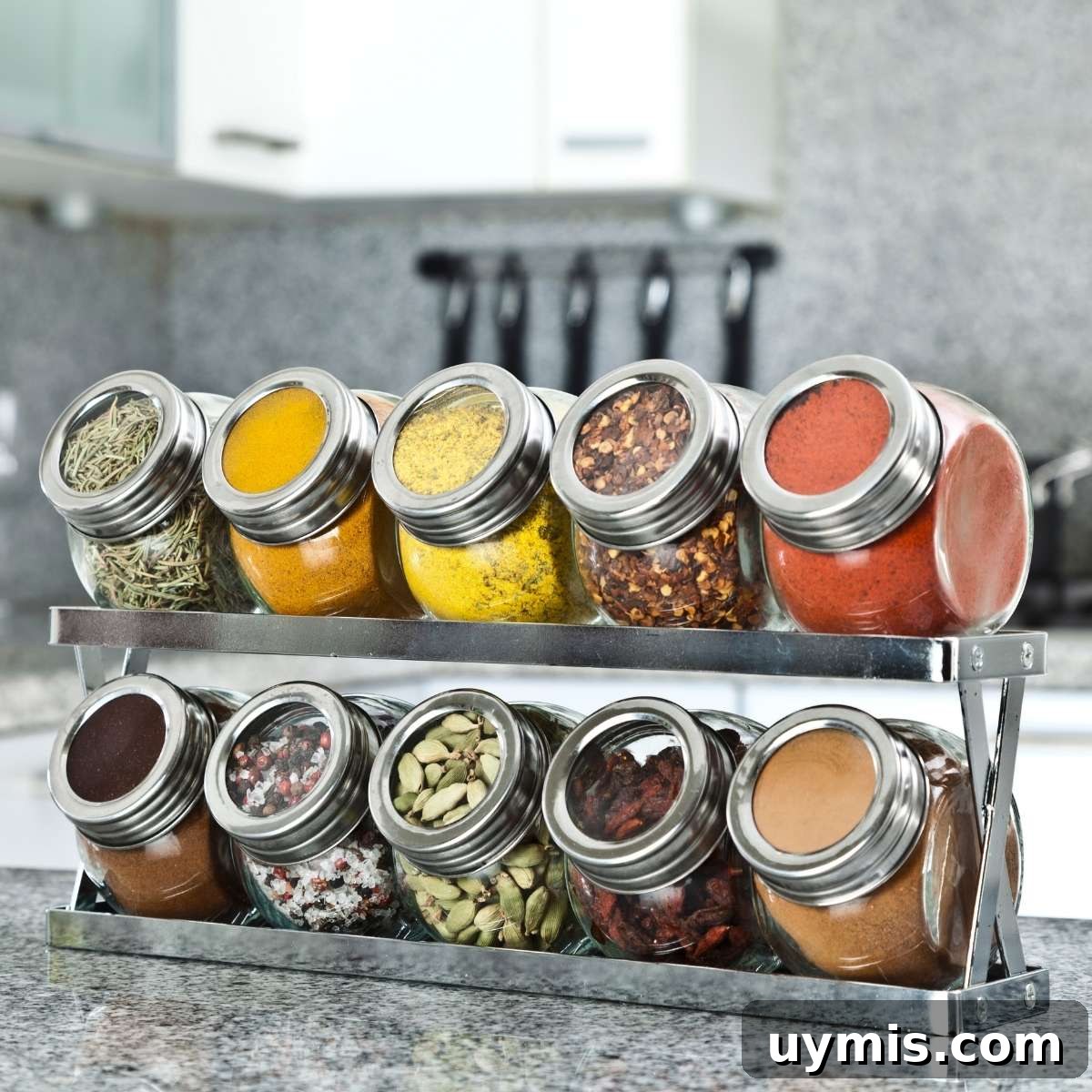
Wondering how to declutter and organize a spice cabinet so you can find exactly what you need while cooking? A clean, well-arranged spice cabinet saves time, reduces waste, and helps keep your seasonings fresh for longer.
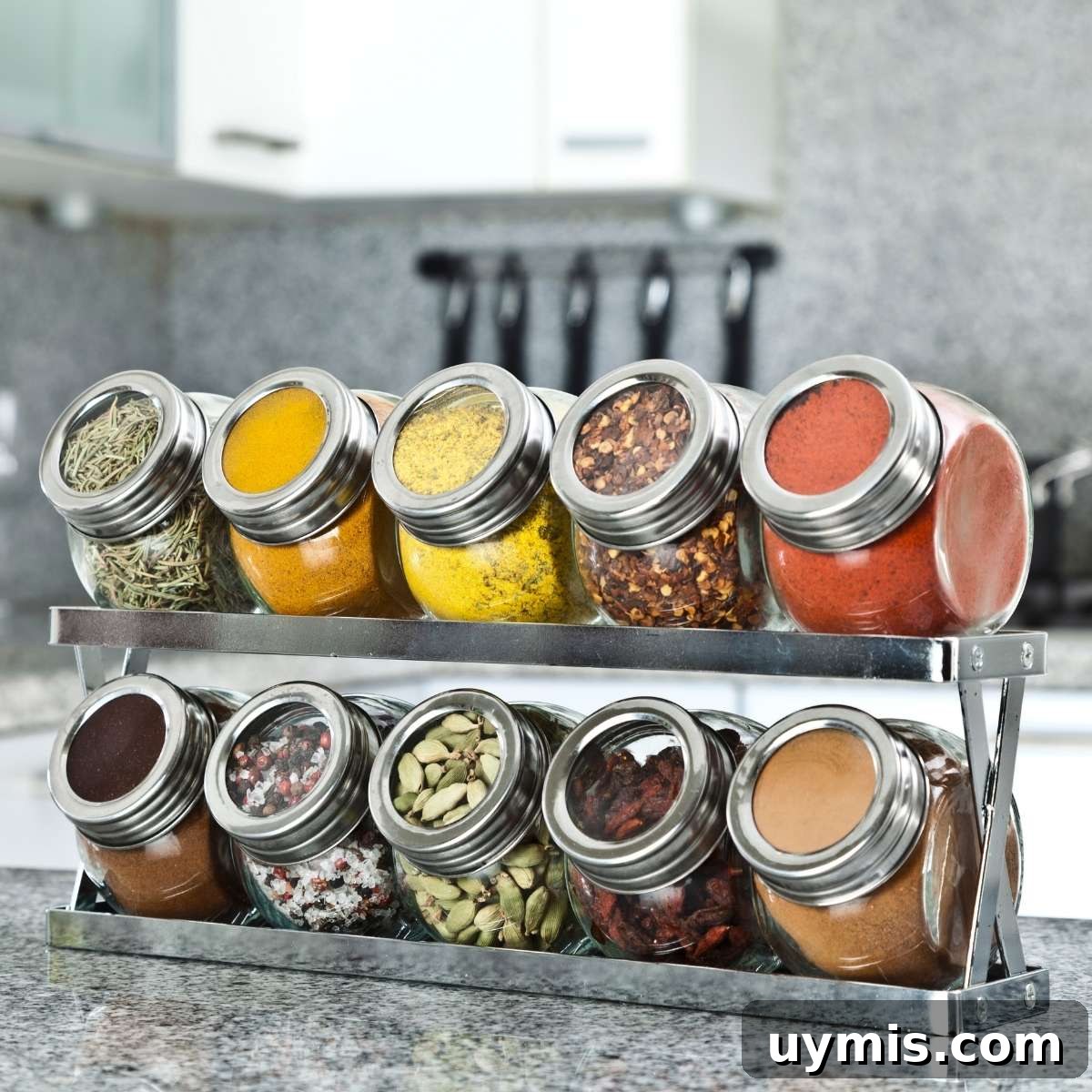
If your spice cabinet is crowded, messy, or full of jars you rarely use, it may be time for a simple reset. Organizing spices is one of the easiest kitchen projects to tackle, and the payoff is immediate. Instead of digging through a cluttered shelf for cumin, cinnamon, garlic powder, or a favorite seasoning blend, you will be able to grab what you need quickly.
This project can also help you save money. When spices are hard to see, it is easy to buy duplicates or keep jars long after their flavor has faded. A tidy spice storage system makes it easier to cook, plan meals, and keep track of what you already have.
As part of a healthy kitchen reset, the spice cabinet is a smart place to begin. It is usually smaller than a pantry, refrigerator, or freezer, so you can finish the job in one focused session and build momentum for the rest of your kitchen.
1. Pull Everything Out
Start by removing every spice, herb, seasoning blend, salt, pepper, and specialty jar from the cabinet, drawer, rack, or pantry shelf where you store them. Place everything on the counter so you can see your full collection at once.
Group similar items together as you work. Put baking spices in one area, savory herbs in another, spicy seasonings together, and blends in their own section. Do not forget to check other spots in the kitchen where extra jars may have been tucked away because there was no room in the main cabinet.
Once the cabinet is empty, wipe down the shelves, drawer, or storage area. Crumbs, dust, and spilled seasoning can build up quickly, so this is the perfect time to start with a clean surface.
2. Get Rid of Old Spices
Spices do not usually spoil in the same way fresh food does, but they do lose strength over time. An older spice may not add much flavor to a recipe, and in some cases, it may taste dull or different from what you expect.
HOW LONG DO SPICES LAST?
As a general guide, the shelf life for spices is:
- Whole Spices, such as poppy seeds or spices you grind yourself, including peppercorns, may last up to 5 years.
- Ground Spices begin releasing oils during processing and may last up to 2 years.
- Dried Leafy Herbs, such as basil, may last up to 3 years.
To decide whether a spice is still worth keeping, use your senses. Open the jar and smell it. A fresh spice should have a noticeable aroma. For a stronger test, rub a small amount between your fingers and smell again. You can also taste a tiny pinch if you are unsure.
TIP: If a spice has little or no scent, it will probably have little or no flavor in your food. When in doubt, replace the spices you use most often first.
Heat can help wake up the natural oils in dried spices. If a spice is slightly past its best but still smells acceptable, you can warm it briefly in a dry pan before adding it to a recipe. You can also rub dried herbs between your palms before using them. This will not make an old spice taste brand new, but it may help release more aroma in a pinch.
Another idea: If you are grilling, older spices that are no longer ideal for cooking can be sprinkled over charcoal to add a subtle aroma rather than being thrown away immediately.
3. Choose the Best Storage Location
If your spices seem to lose flavor quickly, the storage location may be the problem. Heat, steam, moisture, and direct sunlight are the main enemies of spices. These conditions can make herbs and seasonings fade faster.
The best place to store spices is a cool, dry space away from sunlight, while still being convenient enough for everyday cooking. That can be tricky in a busy kitchen, so choose the best option your layout allows.
Here are some practical spice storage ideas to consider:
- Cabinet that is not directly beside or above the stove.
- Drawer away from warm appliances, such as the oven, stove, or dishwasher.
- Pantry, especially with a small bin you can carry to the counter while cooking.
- Countertop in an attractive display, as long as it is away from heat, steam, and direct sunlight.
You may also have an unused nook, shelf, or back-of-door area that works perfectly for spice storage. The key is to follow the cardinal rules of spice storage: keep them cool, dry, and out of direct sunlight.
4. Organize for Easy Use
After sorting and checking your spices, it is time to put everything back in a way that makes sense for how you cook. The best spice organization system is the one you can maintain easily.
Common ways to organize spices include:
- Alphabetically
- By Category
- By Frequency of Use
Alphabetical order works well if you have a large collection and want a simple system anyone can follow. Organizing by category is useful if you cook many different types of meals. For example, you might keep baking spices, dried herbs, spicy seasonings, and everyday blends in separate groups. Sorting by frequency of use keeps your most-used spices front and center.
The goal is to make every spice easy to see and easy to reach. Ideally, you should not have to move several jars just to find one ingredient.
These storage accessories can help make your spice cabinet more functional:
- Tiered Spice Rack
- Lazy Susan Turntable
- Over-the-Door Rack
- Drawer Liners and Inserts to keep jars from rolling around
- Pull-Out Bins
A combination system often works best. You might keep salt, pepper, and favorite blends in the easiest-to-reach spot, arrange baking spices together, and place less-used items toward the back or on a higher shelf. The right setup should make cooking smoother, not more complicated.
Tips to Keep Spices Organized
Once your spice cabinet is clean and organized, a few simple habits will help keep it that way. This is especially important if more than one person cooks in your kitchen.
- Mark the date you open a new spice with a permanent marker or sticker so you know how long it has been in use.
- Designate and label your spice area so everyone knows where seasonings belong.
- Keep an ongoing shopping list for spices that are running low, empty, or losing flavor.
- Schedule a yearly spice cabinet cleanout so the task never becomes overwhelming again.
Tip: For spices you usually measure with a spoon, remove the shaker insert so it is easier to scoop out the amount you need.
Spices are one of the easiest ways to add flavor without adding many calories. When used well, they can also help you rely less on salt while still making meals taste satisfying. Once you find a few favorite blends, cooking becomes even easier because you can add flavor with a quick shake instead of measuring several ingredients.
A clean, organized spice cabinet helps you cook with more confidence. You will know what you have, what needs replacing, and where to find every jar when it is time to make dinner.
More Ways to Declutter and Organize
- How to Declutter Kitchen Countertops
- How to Declutter & Organize a Pantry
- How to Declutter and Organize a Refrigerator
Join the conversation!
Leave a comment below with your tips and suggestions.